
KHARTOUM, Sudan — In the scorched earth of Sudan’s Kordofan region, where the Rapid Support Forces (RSF) have seized a key hospital amid a ruthless push southward, the echoes of European policy decisions reverberate like distant artillery. Day 960 of the civil war marks not just another tally of atrocities but a stark indictment of how Europe’s desperate bid to stem migration has armed the very warlords prolonging this bloodbath. Leaked documents and eyewitness accounts paint a picture of EU funds, funneled through opaque migration deals, morphing into cash for weapons that now fuel RSF advances and Sudanese Armed Forces (SAF) counterstrikes.
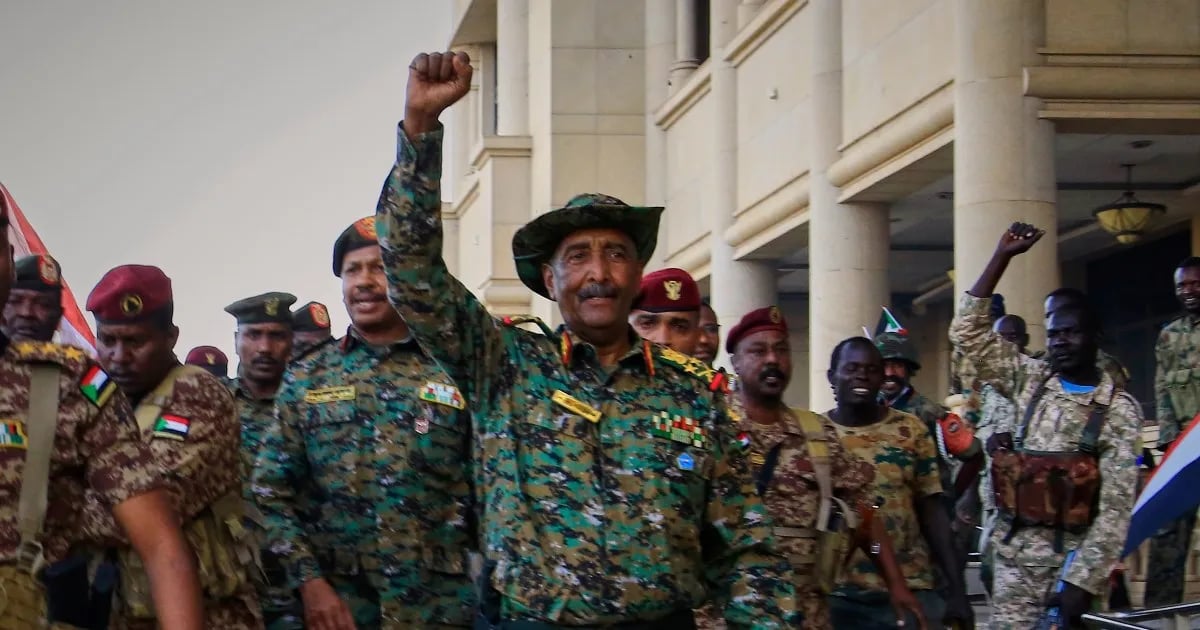
The conflict, ignited in April 2023 between the SAF under Gen. Abdel Fattah al-Burhan and the paramilitary RSF led by Gen. Mohamed Hamdan Dagalo, known as Hemedti, has claimed over 20,000 lives and displaced millions. Yet November 2025 brings fresh horrors: RSF fighters storming medical facilities in En Nahud, leaving patients to bleed out, while SAF airstrikes pound rebel-held El Fasher, from which 90,000 civilians have fled in recent weeks. Humanitarian agencies report famine-like conditions in Darfur, with aid convoys blocked or looted. This is no isolated African tragedy; it’s the unintended harvest of Europe’s border fortress mentality.
Europe’s Migration Pact: A Warlord Lifeline
At the heart of this complicity lies the European Union’s migration strategy, a web of deals with Sudan’s neighbors and proxies designed to “externalize” borders. Since 2016, the EU has poured hundreds of millions into Libya and Egypt to curb the flow of migrants northward, but Sudan emerged as a pivotal choke point. A 2018 EU migration pacts, worth €200 million, ostensibly funded border management and development. In reality, much of it bolstered Sudan’s security apparatus under Omar al-Bashir, then trickled to militias post his 2019 ouster.
Critics, including human rights groups, argue these funds empowered the RSF, Hemedti’s force born from Janjaweed militias. EU cash supported “voluntary returns” and coastal patrols, but lax oversight allowed warlords to siphon proceeds for arms purchases. By 2023, as war erupted, RSF coffers swelled with European indirect largesse, buying drones and heavy artillery from black-market suppliers. “Europe’s fear of Black migrants at its gates has financed Sudan’s slaughter,” writes Zeenat Adam in a pointed Al Jazeera analysis, linking these pacts to RSF’s territorial grabs.
Parallel to cash flows run arms pipelines, often via the United Arab Emirates, a key EU trade partner. Reports surfaced in late 2025 of UAE firms supplying RSF with drones and ammunition, prompting Brussels to reconsider a free-trade deal. German weapons, licensed for export to non-conflict zones, have appeared in RSF hands, traced through serial numbers on battlefields. The EU’s arms embargo on Sudan, patchy at best, crumbles under dual-use exports disguised as “security equipment.” In Kordofan, where RSF now eyes partition, these munitions dictate the war’s tempo.
Kordofan’s Fractured Front: Hospitals as Battlegrounds
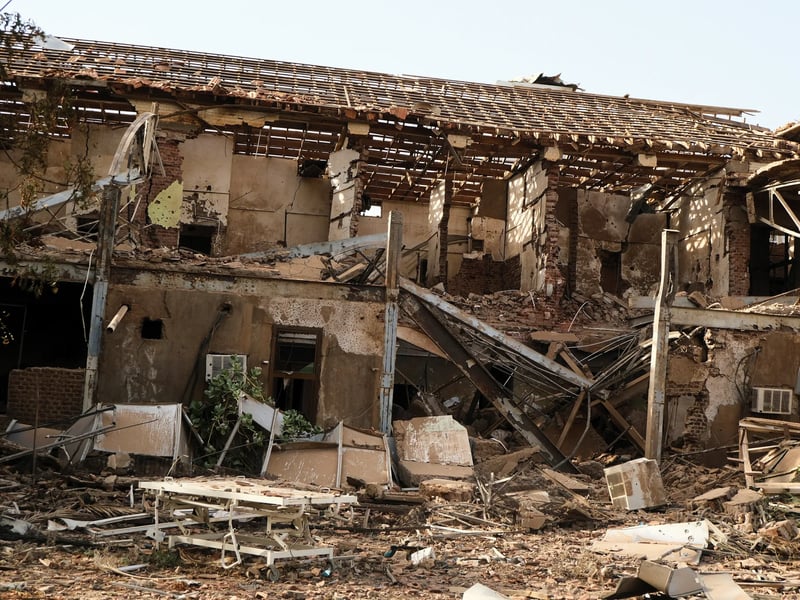
November’s escalations center on Kordofan, a breadbasket turned kill zone. RSF’s November 29 seizure of En Nahud Hospital, its third medical facility takeover, left surgeons fleeing and cholera patients abandoned. Witnesses describe RSF gunmen executing SAF loyalists in wards, their boots tracking blood across linoleum floors. SAF retaliated with cluster munitions on RSF supply lines, killing dozens of herders and igniting grasslands.
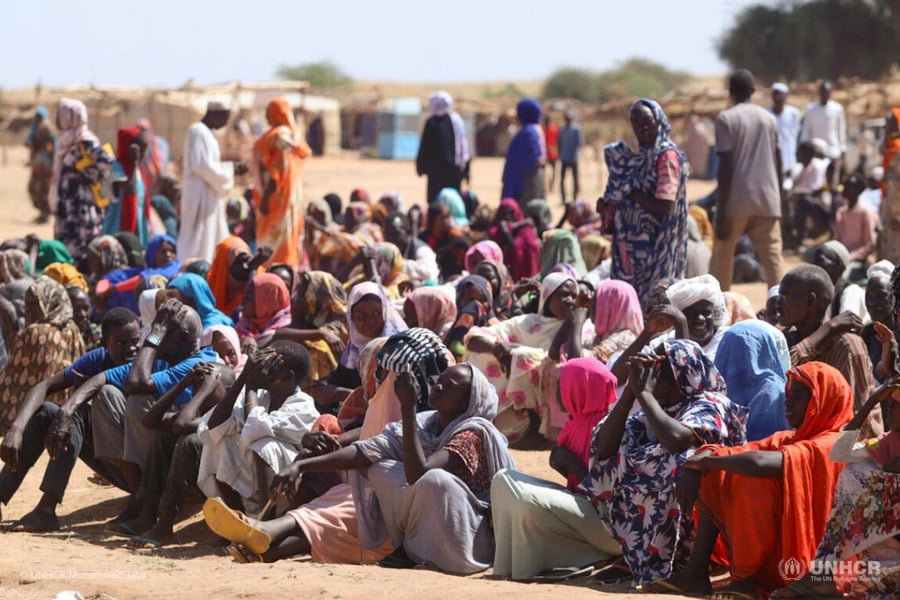
This front risks bisecting Sudan, with RSF controlling western swaths from Darfur to Kordofan, while SAF clings to Khartoum and the east. Orphans wander streets amid mass graves, their parents vaporized in May’s massacres. UN estimates peg displacement at 90,000 from El Fasher alone since October, many trekking to Chad amid RSF rape campaigns documented by fleeing survivors.
Foreign powers exacerbate the divide. UAE backing for RSF clashes with Egyptian and Saudi support for SAF, turning Sudan into a proxy arena. Russia’s Wagner remnants, now Africa Corps, supply SAF gold smuggling ops, funding their war machine. Europe’s role, though indirect, is insidious: migration deals with Egypt ignore weapon flows southward, while Italian firms train Libyan coast guards who inadvertently bolster smuggling routes feeding Sudan’s arms bazaars.
Humanitarian Abyss: Famine, Disease, and Betrayal
The war’s toll defies comprehension. Over 11 million displaced internally, 3 million refugees abroad, Sudan hosts the world’s largest humanitarian catastrophe. Famine stalks Gezira Scheme, once Africa’s rice bowl, now RSF-looted. Cholera surges in Khartoum’s ruins, with 60,000 cases reported. Aid groups like the International Rescue Committee decry a “humanitarian catastrophe,” as fighting blocks 90% of access roads.
Women bear the brunt: systematic rapes by RSF in Darfur echo Janjaweed horrors, per UN investigators. Children, comprising half the displaced, face recruitment or starvation. In El Fasher camps, kids sift rubble for scraps, their eyes hollow from witnessing beheadings. European culpability stings deeper; funds meant for migrant interdiction bypassed civilians, empowering killers instead.
Diplomatic inertia compounds the misery. Jeddah talks collapsed anew in November, with Hemedti snubbing envoys amid Kordofan gains. African Union mediation falters as Ethiopia eyes border scraps. President Trump’s administration, prioritizing domestic borders, offers only rhetoric, leaving Europe to grapple with its blowback.
Warlords Empowered: From EU Deals to Battlefield Dominance
Hemedti, the RSF chief, embodies this paradox. Once a Bashir ally, his gold empire, Wad Madani mines yielding $2 billion yearly, funds mercenaries from Chad to Libya. EU migration pacts stabilized his pre-war regime, overlooking RSF abuses in exchange for migrant halts. Post-2023, those networks supplied his arsenal: UAE drones spotted over El Fasher, Czech rifles in RSF checkpoints.
Al-Burhan’s SAF, no saints themselves, deploy Iranian missiles against civilians. Yet Europe’s tilt favors RSF indirectly; a November 2025 European Parliament briefing decried UAE arms but spared self-scrutiny on migration financing. “Hypocrisy reigns,” notes Adam, as Brussels touts “Fortress Europe” while Sudan’s fortresses crumble under EU-enabled guns.
Eyewitnesses from Kordofan paint visceral scenes: RSF convoys, laden with looted grain, rumble past EU-funded border posts now derelict. In Port Sudan, SAF rallies chant against “foreign traitors,” eyeing European complicity. The war’s partition risk looms, RSF’s Kordofan thrust could spawn a Darfur emirate, redrawing maps with European gold.
Reckoning Ahead: Can Europe Untangle Its Web?
As Day 960 dawns, Sudan’s warlords thrive on contradictions. RSF hospital seizures signal no mercy; SAF bombings vow escalation. Humanitarian pleas echo unanswered. Europe’s leaders face a mirror: migration policies curbing Lampedusa arrivals have seeded Sudan’s slaughterhouses.
Calls mount for EU audits of Sudan deals, arms embargoes with teeth, and aid rerouted from militias. Yet political will lags, with far-right surges demanding tighter borders. In Khartoum’s ghost markets, vendors hawk tales of European betrayal amid RSF graffiti: “The West Pays Our War.”
Sudan’s agony endures, a cautionary epic of outsourced borders breeding endless war. Until Europe severs the purse strings, Kordofan’s blood will stain Brussels’ hands.