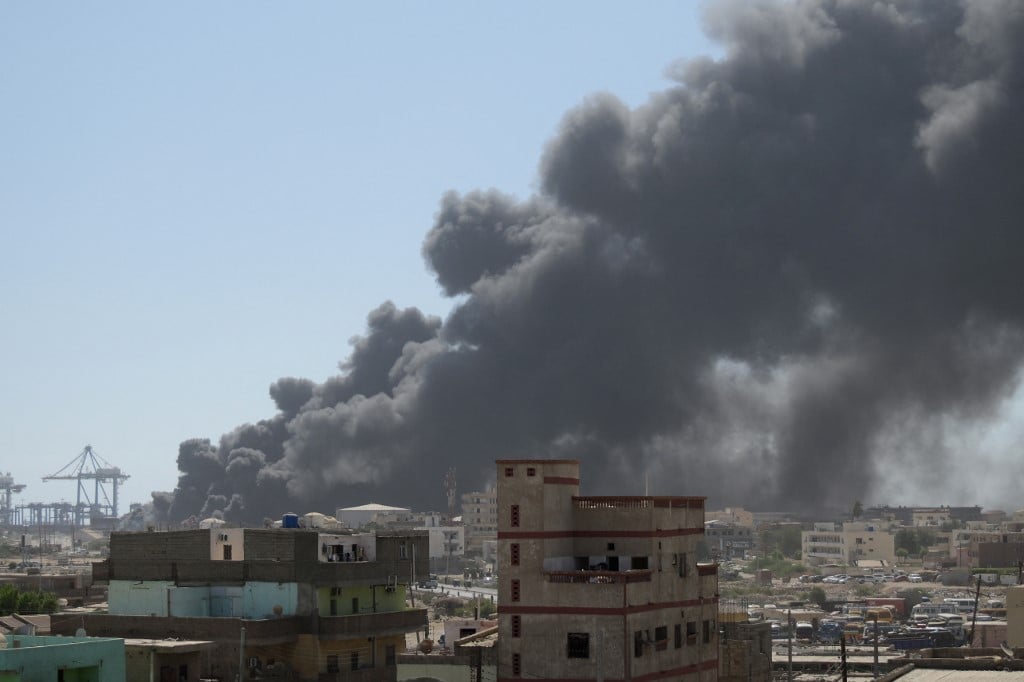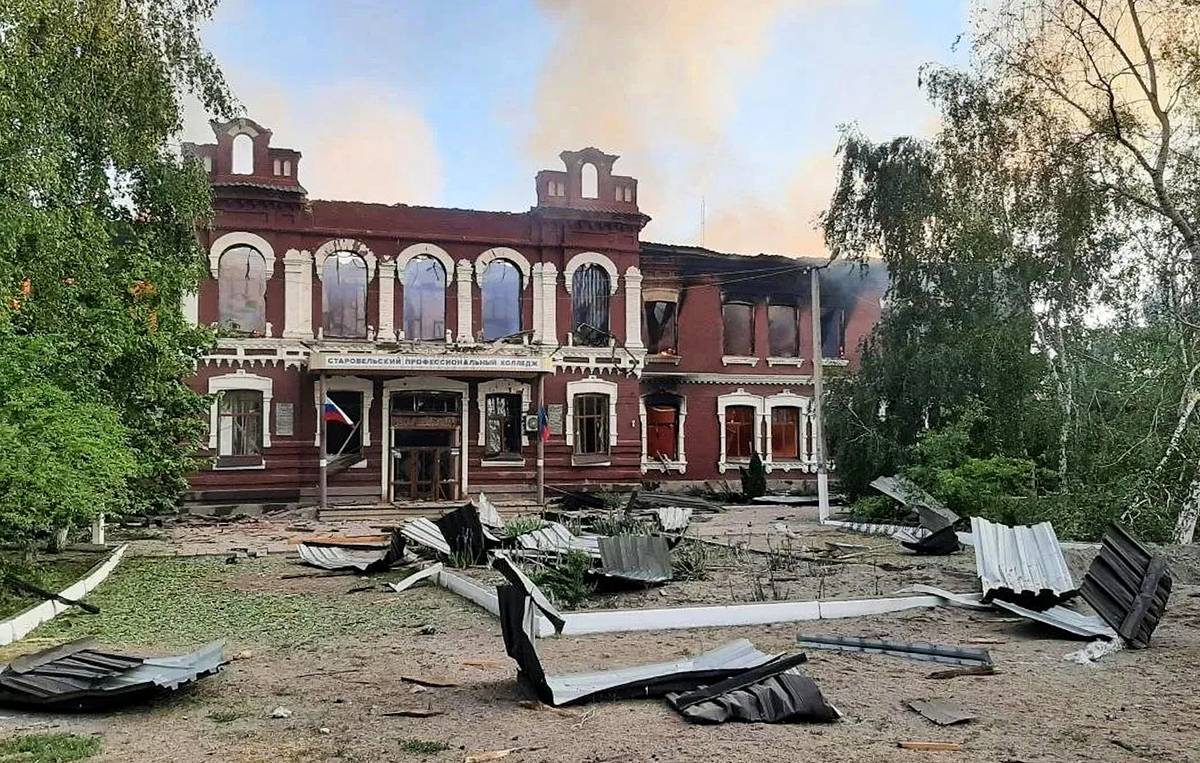
SUDAN — Sudan’s Sudan’s civil war has entered a more brutal and strategically revealing phase, as reports of a massacre of civilians in West Kordofan coincide with calculated militia attacks near key army positions along the Omdurman axis, underscoring a conflict increasingly defined by terror tactics, attrition warfare, and the deliberate targeting of noncombatants.
In the town of Abu Zabad and surrounding rural communities in West Kordofan, local emergency responders documented what they described as one of the deadliest episodes of violence in the region since the war erupted. According to field monitoring by the Dar Hamar Emergency Room, 91 unarmed civilians were killed over a three-week period through direct shootings and indiscriminate bombardment, while 53 others were abducted and taken to unknown locations.
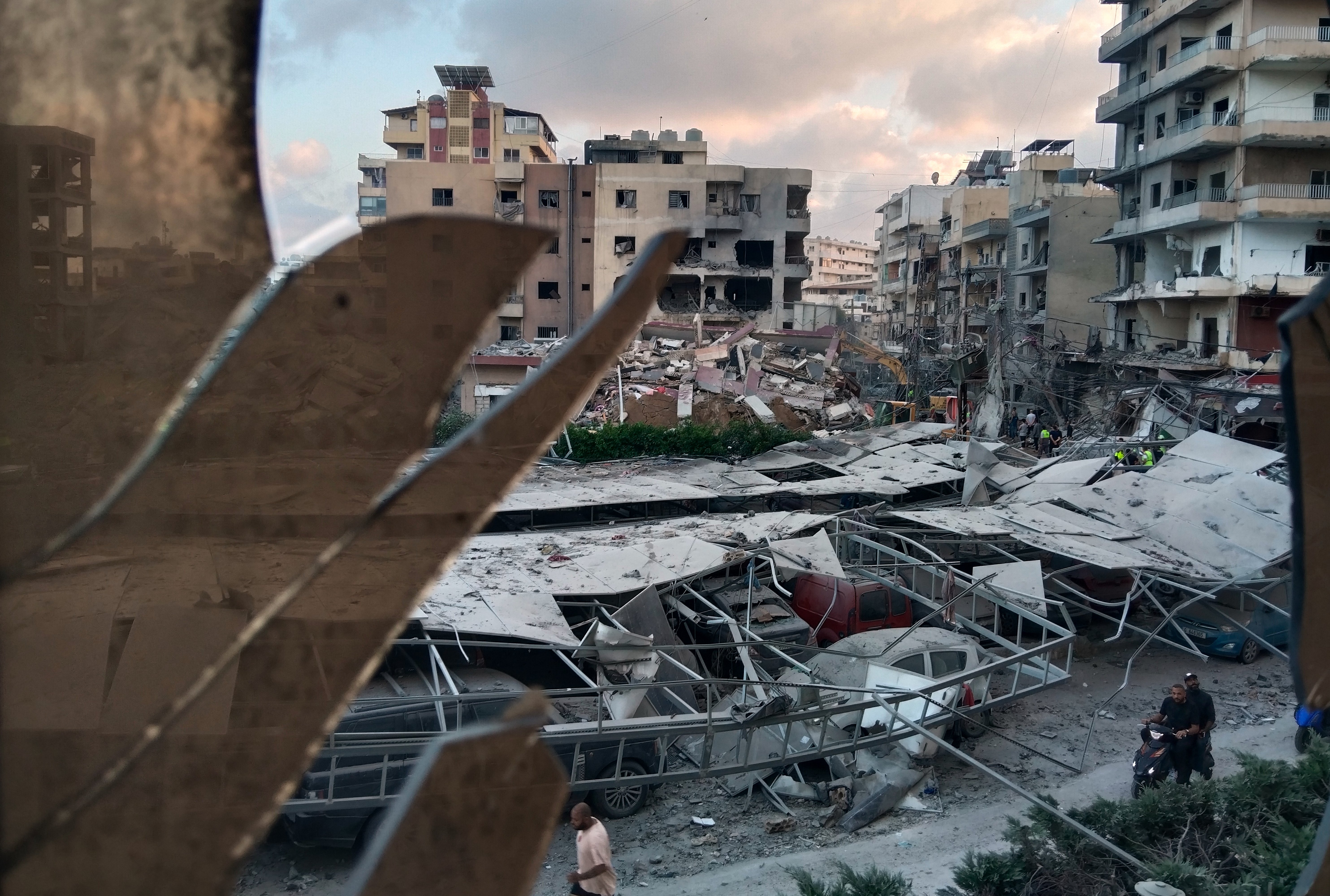
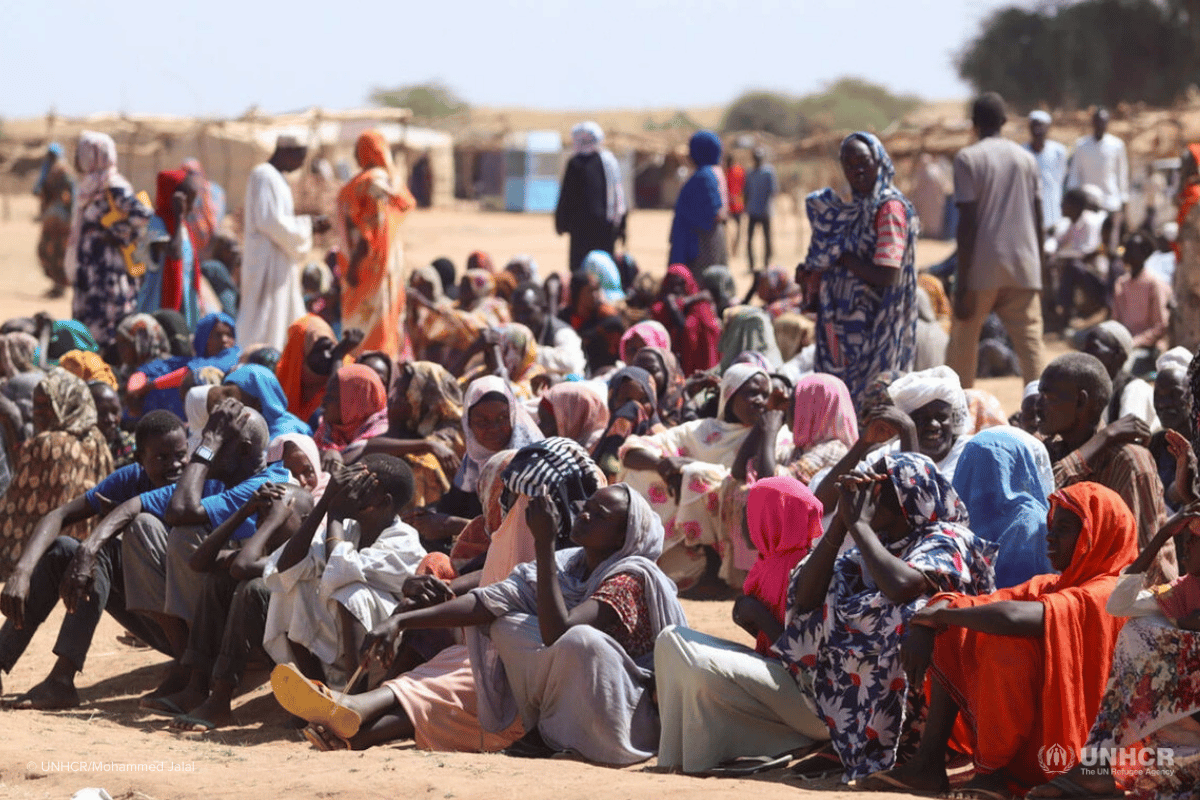
The attacks, attributed by local monitors to the Rapid Support Forces, triggered waves of mass displacement as families fled under threat of arms, leaving entire neighborhoods deserted. Residents who escaped said homes, shops, and food stores were systematically looted, accelerating what local leaders described as a widening humanitarian collapse.
Local responders warned that casualty figures were likely to rise as access to affected villages remained limited and communications unreliable. They appealed for urgent intervention to protect civilians and halt what rights groups have repeatedly described as war crimes committed amid near-total impunity.
The violence in Abu Zabad unfolded as militia units intensified pressure hundreds of kilometers to the east, launching repeated attacks on Sudanese army defenses around Rahad al-Nuba, a strategic area roughly 130 kilometers from Omdurman along the export route linking central Sudan to western and northern Kordofan.
Field assessments indicate these operations are not aimed at advancing toward the capital, but rather at destabilizing army positions and disrupting supply routes. Analysts say the maneuvers are designed to weaken defensive depth and prevent government forces from consolidating control along key strategic corridors.
Military affairs analyst Mohamed Adel said the attacks form part of a broader effort to secure the militia’s rear positions across a wide belt of territory stretching through western and northern Kordofan, including areas surrounding the strategic city of Bara.
According to Adel, the militia’s presence in surrounding villages and at multiple entry points to Bara provides it with forward defensive positions, uninterrupted logistics, and wide latitude for maneuvering and flanking. However, he warned that such control would be difficult to sustain if government forces advanced simultaneously along several axes.
The fighting highlights a broader pattern in Sudan’s war, civilians are increasingly bearing the brunt of violence even as frontline battles give way to grinding contests for dominance, attrition, and control. Human rights monitors have documented repeated attacks on civilians far from active battlefields.
In West Kordofan, community leaders say the impact of the Abu Zabad killings extends far beyond the immediate death toll. Entire families have been uprooted, livelihoods destroyed, and social cohesion shattered in areas now emptied by fear.
Humanitarian analysts warn that continued violence, forced displacement, and looting risk turning large swaths of Kordofan into uninhabitable zones, deepening Sudan’s nationwide humanitarian crisis.
The Sudanese army has not issued a detailed response to the reported massacre, while the RSF militia has denied targeting civilians elsewhere, claims that remain difficult to verify independently amid access restrictions and insecurity.
As the war grinds on with no credible political settlement in sight, residents across Kordofan fear their region is becoming a proving ground for a conflict in which control is asserted through fear, exhaustion, and displacement rather than decisive military victory.
“There is no safe place left,” said one displaced resident from Abu Zabad, speaking by phone from a neighboring locality. “This war is no longer about soldiers. It is about breaking communities.”