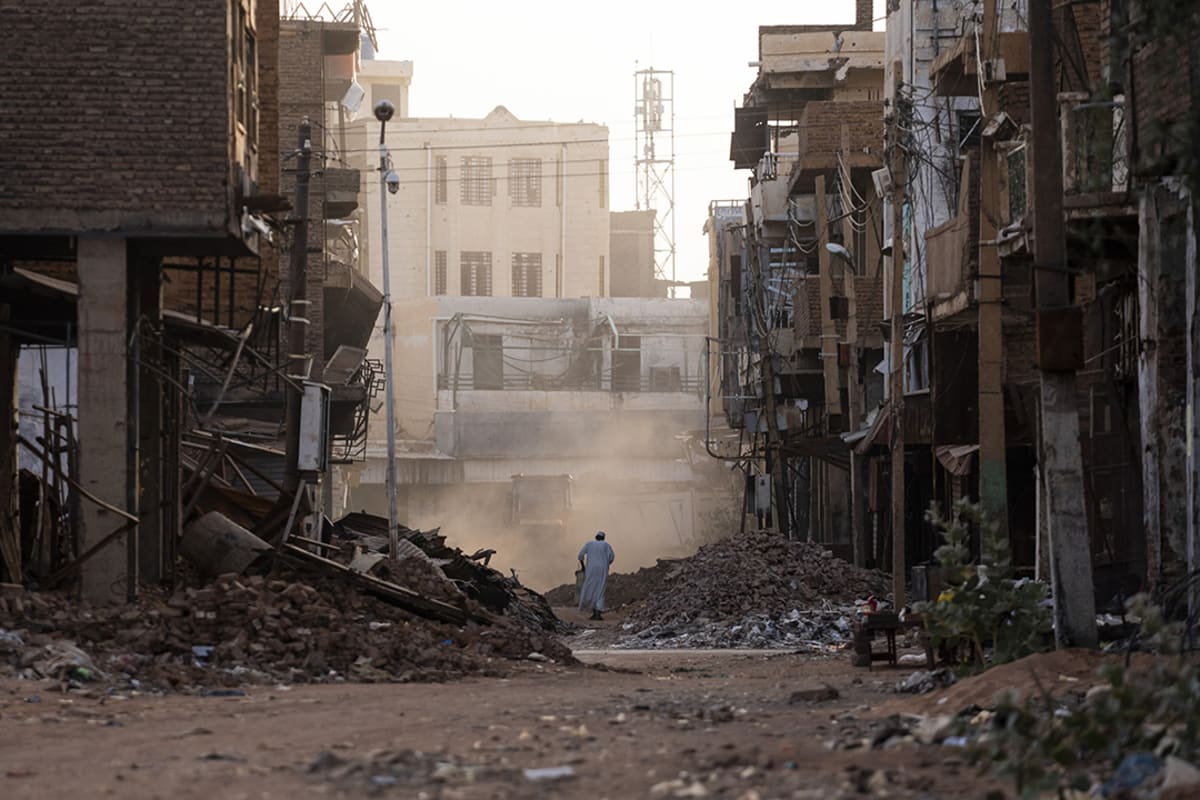
The war that has torn Sudan apart since April 2023 has evolved into one of the gravest humanitarian catastrophes of the 21st century. Entire cities have been emptied, famine warnings are multiplying, and mounting evidence suggests that atrocities committed in Darfur and beyond bear the hallmarks of genocide. Yet as the violence deepens, Western governments, long self-appointed guardians of the international order, remain largely confined to statements of concern and limited sanctions.
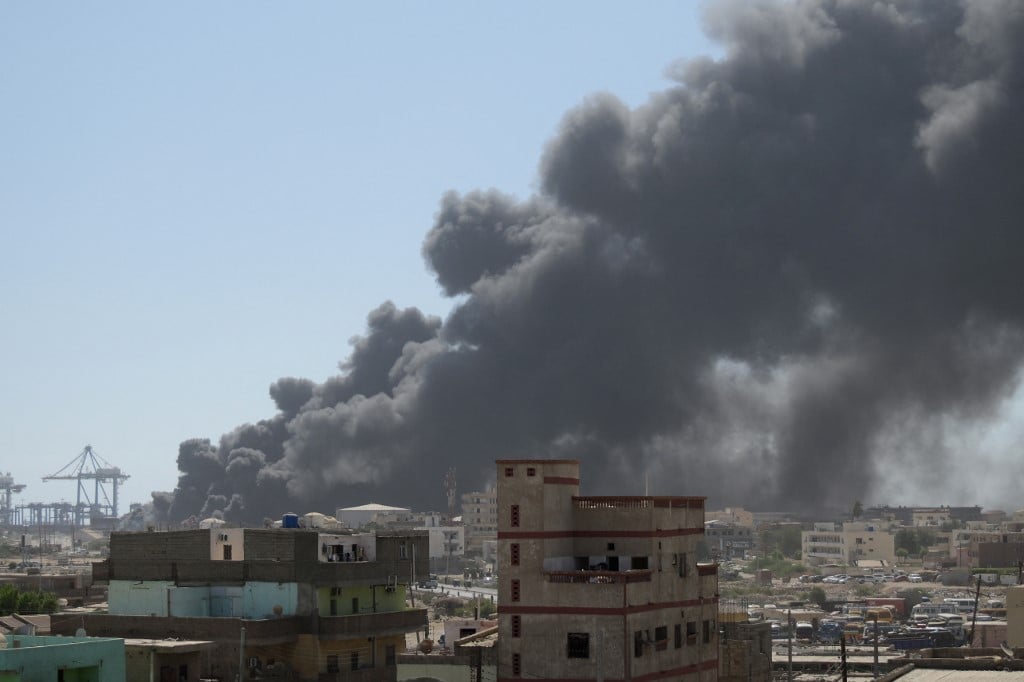
The pattern is painfully familiar. What began as a power struggle between the Sudanese Armed Forces and the Rapid Support Forces (RSF) has metastasized into a conflict defined by ethnic targeting, urban siege warfare and the systematic destruction of civilian life. Previous reporting on Western neglect and mass displacement traced how diplomatic paralysis allowed the crisis to spiral. Today, the consequences are visible in the ruins of El Fasher, the battered towns of Kordofan and the swelling camps of the displaced.
An independent UN fact-finding mission concluded that atrocities committed during the RSF’s prolonged assault on El Fasher displayed genocidal characteristics, echoing earlier UN genocide findings on El Fasher. Investigators documented targeted killings of non-Arab communities, systematic sexual violence and deliberate attacks on infrastructure essential for civilian survival. Survivors described executions in broad daylight and homes marked before being set ablaze.
In South Kordofan and surrounding regions, the violence has taken on a new dimension with the expanding use of drones. Aid workers attempting to reach besieged communities have come under fire. Accounts of civilian casualties including children have emerged after strikes hit markets, mosques and displacement routes. The scenes recall earlier phases of the war, when the siege of Dilling and Western silence became emblematic of international disengagement.
The conflict is not occurring in isolation. Foreign powers fueling the massacre, turning Sudan into an arena for regional competition. Meanwhile, the broader pattern of global powers looking away has left civilians exposed to cycles of reprisal and siege.
International investigators have offered stark conclusions. Detailed United Nations investigative findings from Sudan’s Darfur frontline, published by Reuters, described patterns of coordinated ethnic violence and systematic deprivation. The findings were reinforced by in-depth reporting on the hallmarks of genocide during the RSF siege of El Fasher in The Guardian, which cited investigators detailing mass executions and the destruction of entire neighborhoods.
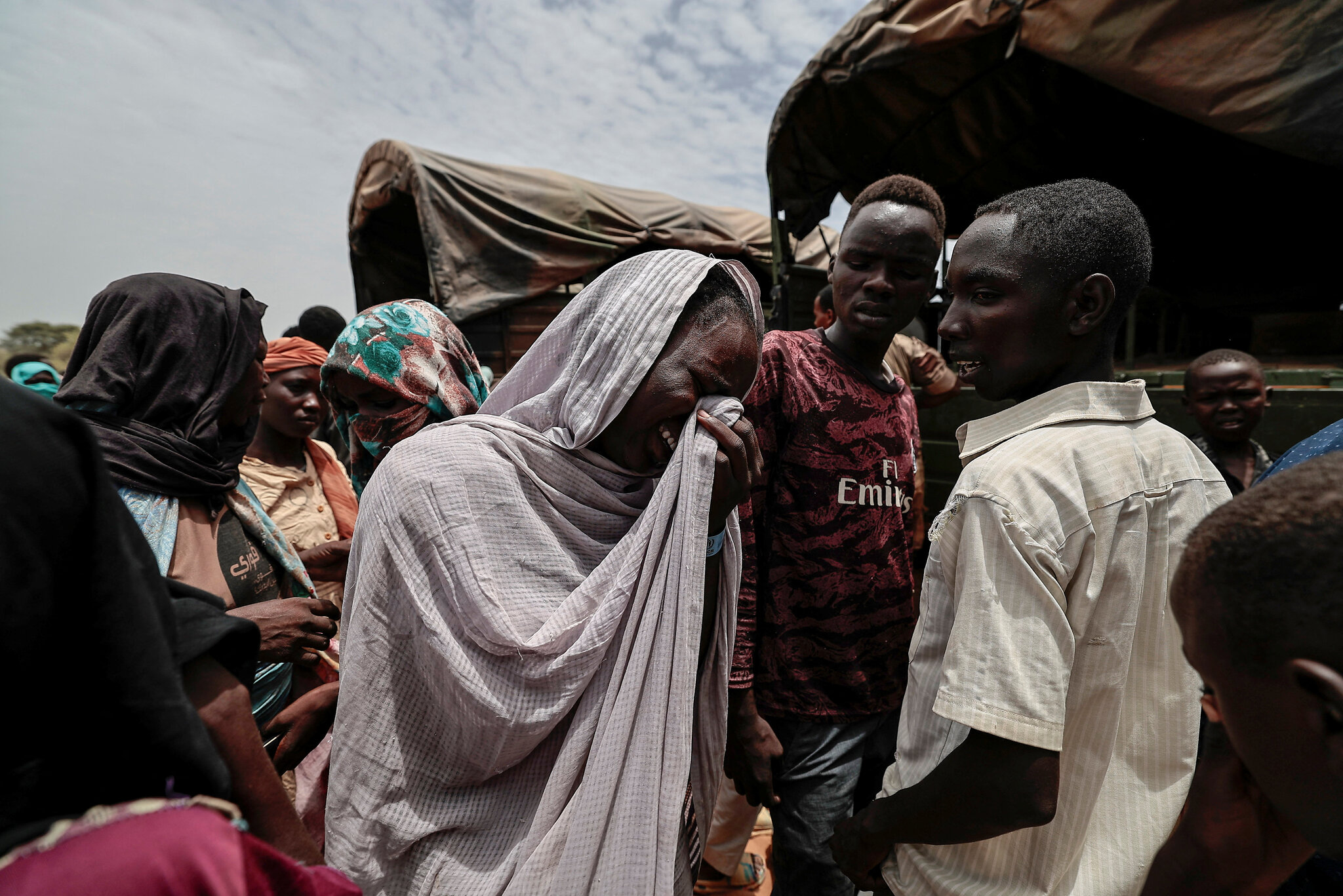
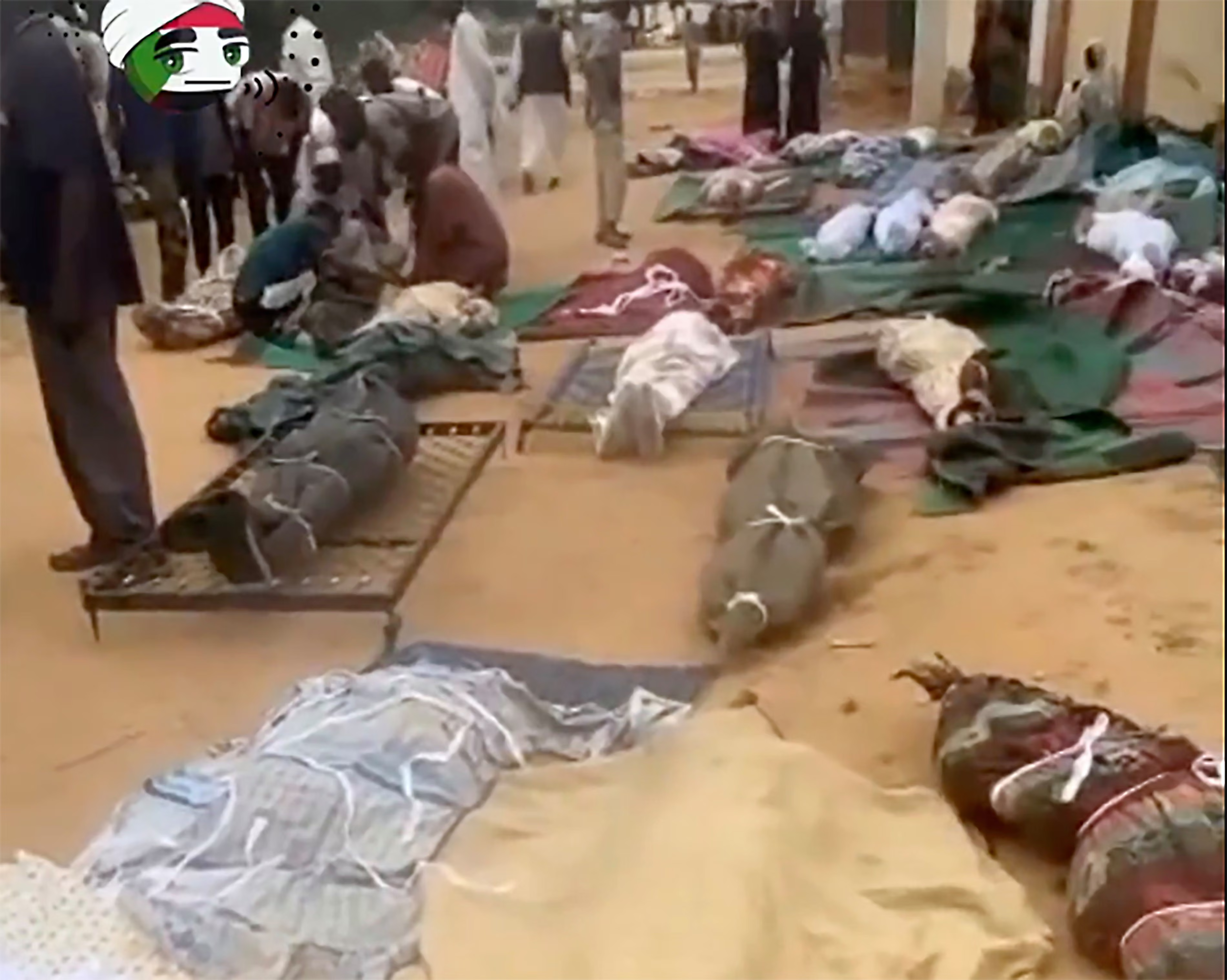
Human rights organizations have drawn similar conclusions. A civil society and watchdog report on mass killings and international indifference, the tepid diplomatic response to mounting atrocities. A comprehensive assessment by Human Rights Watch detailed persistent war crimes, attacks on healthcare infrastructure and the obstruction of humanitarian relief.
Yet for all the documentation and condemnation, meaningful international intervention remains elusive. The United States and several European governments have imposed targeted sanctions on select commanders. But sanctions, absent broader enforcement mechanisms or unified diplomatic pressure, have not stemmed the violence. No robust peacekeeping deployment has materialized, and ceasefire efforts have faltered amid mutual distrust and fragmented mediation.
The result is a vacuum. In that vacuum, militias maneuver, external actors hedge their bets and civilians shoulder the cost. Famine looms in parts of Darfur. Displacement camps strain under dwindling supplies. The infrastructure of daily life, schools, clinics, markets, has been systematically eroded.
For Sudan’s civilians, the question is no longer whether the world is aware. The evidence is abundant, the warnings explicit. The question is whether awareness will translate into action. Thus far, the record suggests otherwise.
As the conflict grinds on, the distance between rhetoric and reality grows ever more stark. The principles of civilian protection and genocide prevention, often invoked in Western capitals, appear hollow to those who have watched their neighborhoods reduced to ash. In Sudan, the promise of “never again” echoes faintly against the sound of drones and artillery.