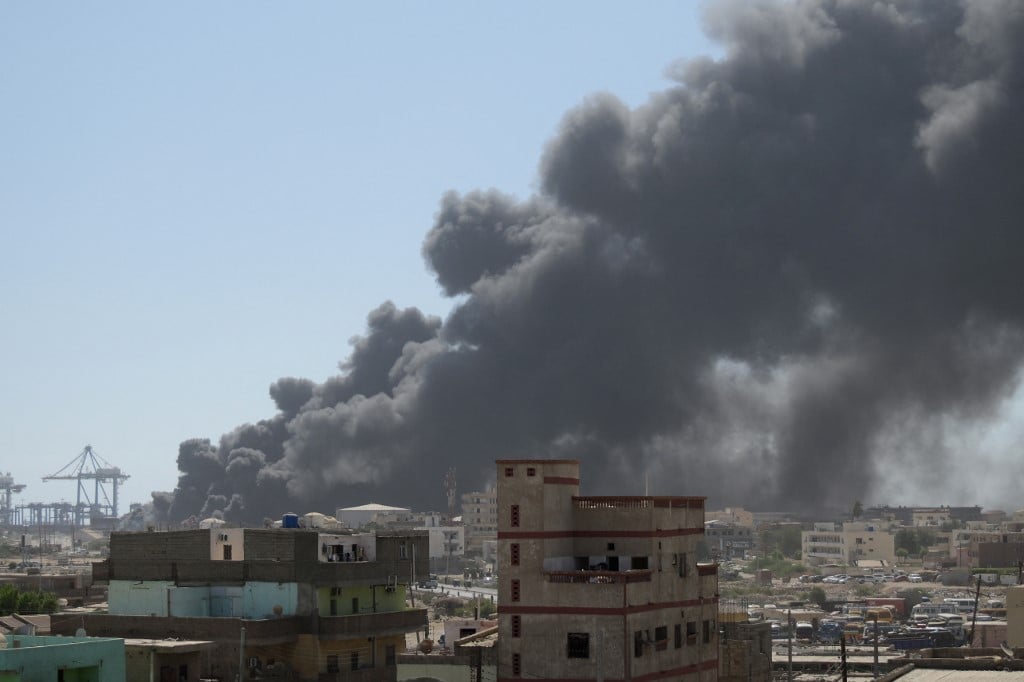
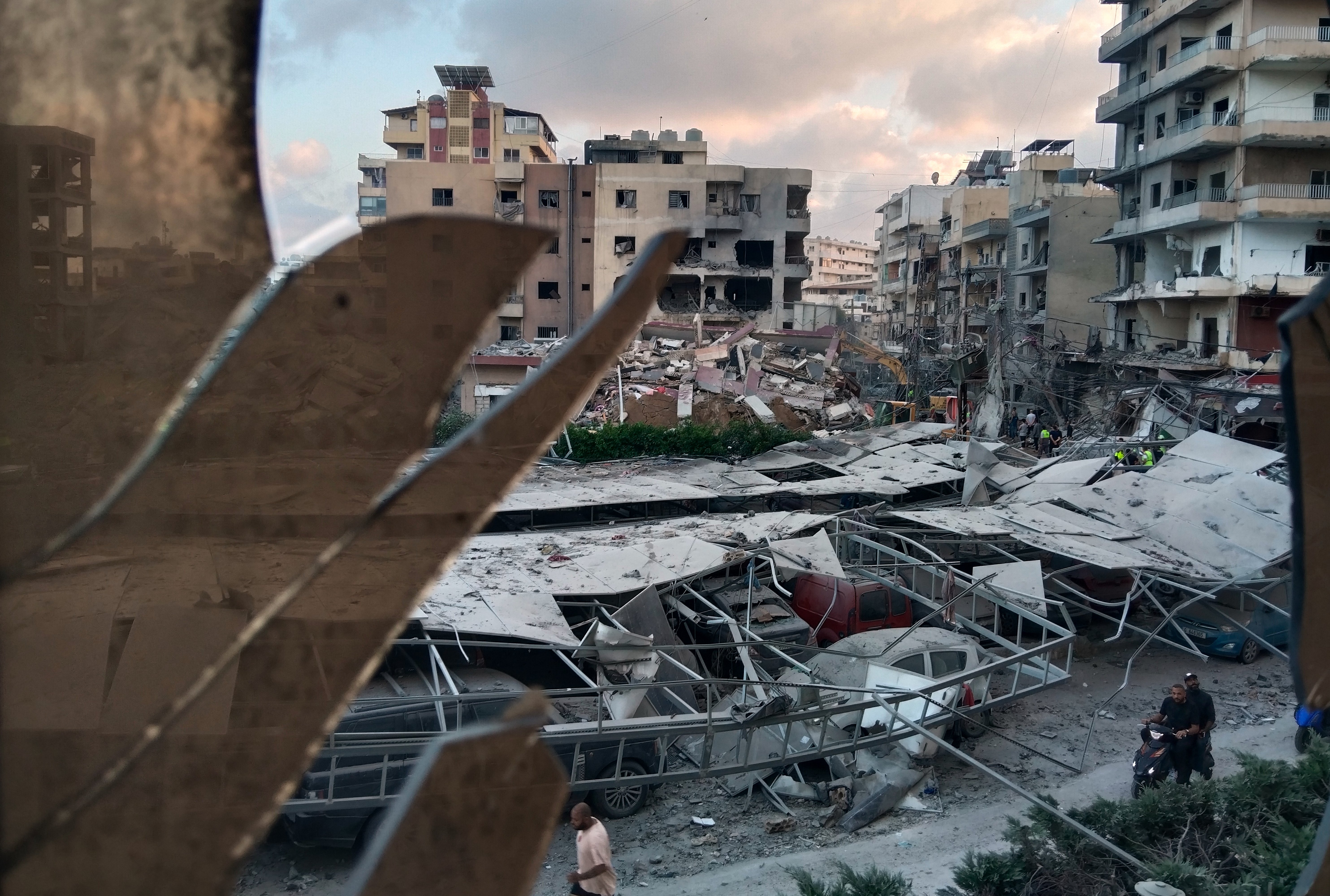
Israel’s widening military campaign against Iran has entered a volatile new phase, as evidence mounts that the strategic objective extends beyond battlefield gains to something far more ambitious: the destabilization of Iran’s political system itself. Yet even as Israeli officials signal support for internal unrest, newly revealed assessments suggest that any mass uprising could come at a devastating human cost.
According to US diplomatic reporting cited by major outlets, Israeli officials have conveyed a stark internal view to Washington — that while a popular revolt inside Iran is desirable, it would likely be met with overwhelming force. One such assessment warned that if large numbers of Iranians took to the streets, the outcome could be catastrophic, raising fears of large-scale civilian casualties without achieving political change, as previously seen in civilian casualties without achieving political change.
This contradiction, encouraging revolt while anticipating mass casualties, underscores the high-risk calculus behind the current phase of the war, which began with coordinated US and Israeli strikes on February 28. The scale of destruction and the debate around war damage and accountability have intensified scrutiny over the true objectives of the campaign.
A War Aimed Beyond the Battlefield
Israeli leaders have made little effort to conceal their broader ambitions. The campaign increasingly reflects Israel’s broader ambitions to destabilize Iran’s regime, even as officials acknowledge that such change must ultimately come from within.
Recent operations suggest that Israeli strikes killed senior Iranian officials, including key figures tied to Iran’s internal security apparatus. These developments follow earlier reports that Israel targeted Iran’s top security leadership in Tehran, marking a dramatic escalation in the conflict.
Yet despite these blows, intelligence assessments indicate that Iran’s regime is consolidating power despite sustained strikes, with hardline factions strengthening their grip on the state.
The Reality Inside Iran: Power Consolidation, Not Collapse
Far from showing signs of imminent breakdown, Iran’s governing system appears to have adapted quickly to wartime conditions. The Islamic Revolutionary Guard Corps has emerged as the central pillar of authority, reinforcing internal control while managing external military responses.
This dynamic challenges assumptions that external pressure will trigger regime collapse. Instead, analysts warn that there is no clear strategy for regime change, raising questions about the long-term trajectory of the conflict.
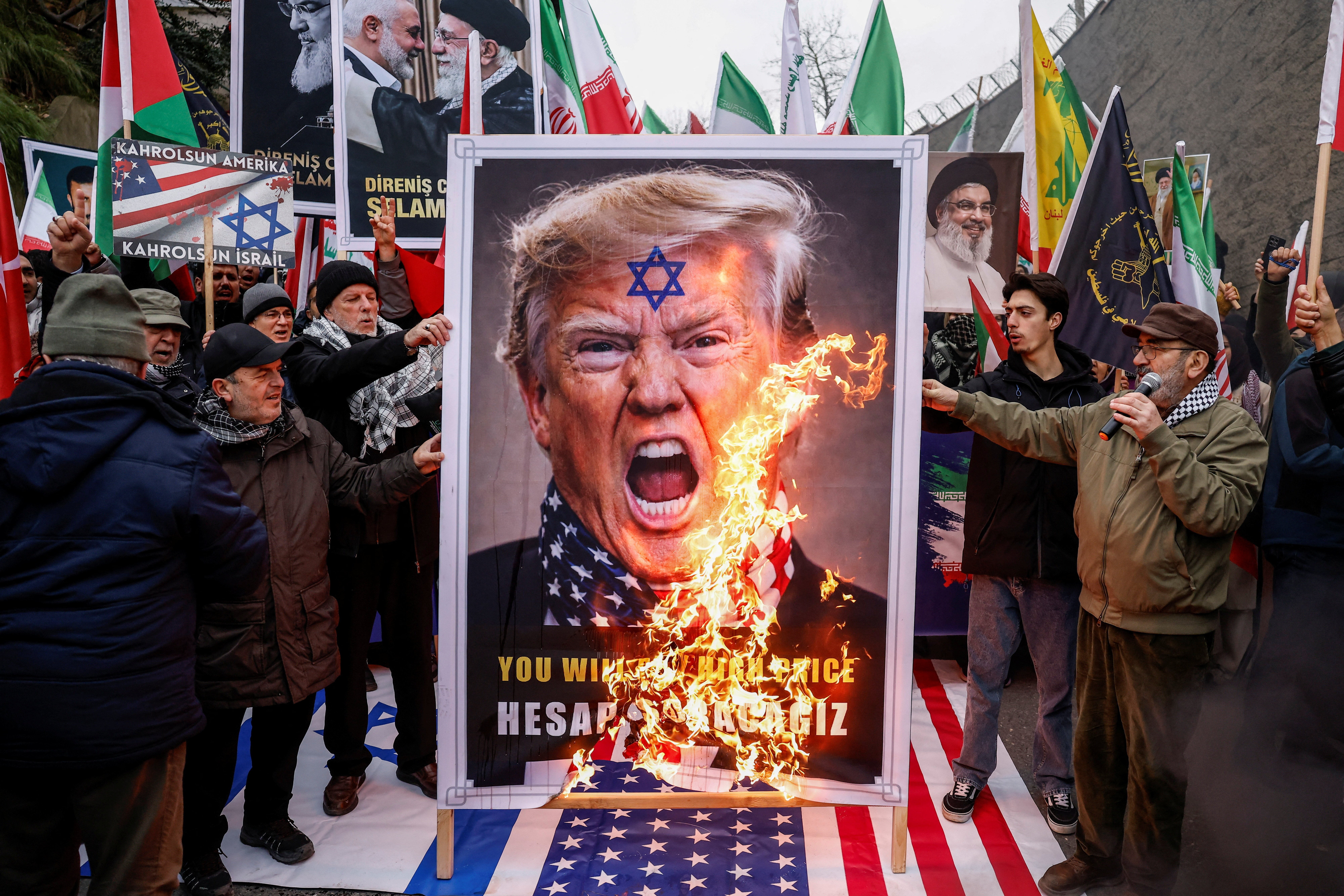
At the same time, the war has intensified global reactions, fueling growing global protests over the conflict and deepening divisions across international institutions.
Regional Escalation and Retaliation
Iran has responded forcefully. In retaliation, Iran launched missile and drone attacks across the region, targeting Israeli territory, US installations, and key infrastructure in Gulf states.
These retaliatory actions echo earlier retaliatory missile and drone operations, signaling Iran’s capacity to project force far beyond its borders.
The escalation has also intensified concerns about regional destabilization and Gulf security concerns, particularly as attacks spread across critical economic and energy hubs.
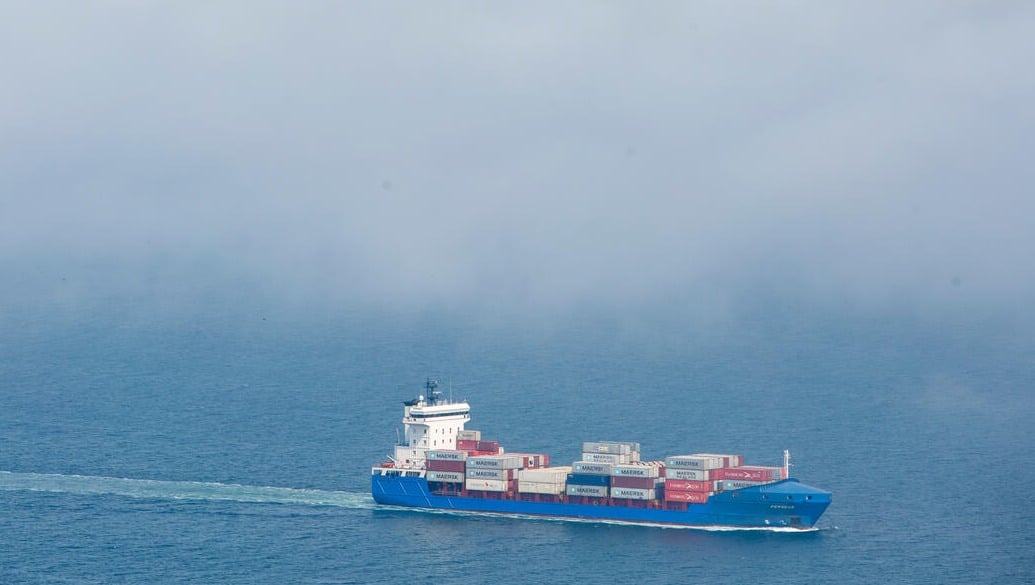
At the center of the crisis lies the Strait of Hormuz, where the Strait of Hormuz has effectively become a flashpoint. The disruption of shipping lanes has already sent shockwaves through global energy markets.
Global Divisions Deepen
International divisions have become increasingly visible. French President Emmanuel Macron made clear that France will not take part in operations to reopen the Strait of Hormuz, underscoring the reluctance of key allies to become directly involved.
This stance reflects broader hesitation among Western nations, many of which are wary of expanding Western military involvement in an already volatile conflict.
At the United Nations, the crisis has fueled debate at the United Nations over the war, with competing narratives over responsibility and legality continuing to shape diplomatic tensions.
Political Fallout in Washington
Within the United States, the conflict has triggered significant political fallout. The resignation of the US counterterrorism chief over the war exposed deep divisions within the national security establishment.
President Donald Trump, however, has defended the campaign, insisting that Iran posed a significant threat and dismissing dissent within his administration.
A Dangerous Strategic Gamble
At the heart of the crisis lies a fundamental contradiction. Israeli strategy appears to hinge on encouraging internal unrest, even as intelligence assessments warn that such unrest could be met with overwhelming force.
This raises profound ethical and strategic questions. Encouraging a population to rise up while anticipating violent suppression places civilians at the center of a dangerous geopolitical gamble.
The broader implications extend beyond Iran. As the conflict continues, questions about Iran’s right to defend its sovereignty and the legitimacy of external intervention are likely to remain central to the global debate.
What Comes Next
The trajectory of the war remains uncertain. While Israel has inflicted significant damage, Iran has demonstrated resilience, maintaining internal control and continuing to project power across the region.
At the same time, the risk of broader instability is growing. With global energy markets under pressure and geopolitical tensions escalating, the consequences of the conflict are likely to extend far beyond the Middle East.
Whether the current strategy leads to transformation or tragedy may ultimately depend on forces beyond the battlefield, including the unpredictable dynamics within Iran itself and the willingness of global powers to prevent further escalation.