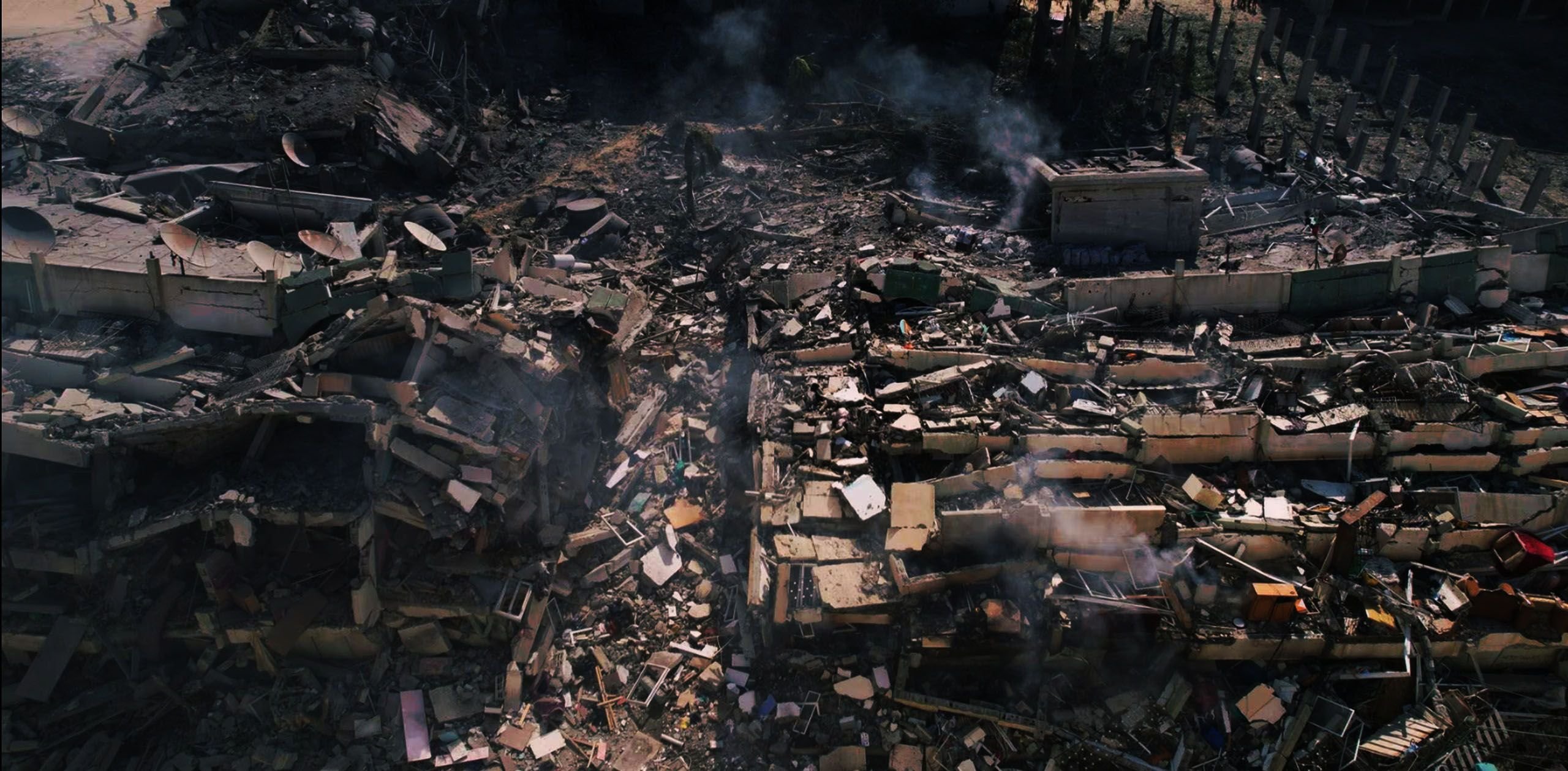
The war in Gaza, now entering its third year, has evolved into one of the most scrutinized and polarizing conflicts of the 21st century, with mounting legal, humanitarian, and geopolitical consequences. What began in October 2023 has transformed into a prolonged military campaign whose scale of destruction and civilian toll has triggered a historic International Court of Justice case, unprecedented United Nations investigations, and deep divisions across the international system.
At the center of this global debate lies a single, explosive question: does the war in Gaza constitute genocide?
The answer is still being contested in courts and diplomatic arenas, but the accumulation of evidence, casualty figures, and institutional findings has elevated the term from political rhetoric to a matter of international law.
The humanitarian toll has reached staggering levels. By early 2026, death estimates in Gaza have surpassed 70,000, with some datasets and analyses suggesting even higher figures when accounting for those missing under rubble and indirect deaths caused by starvation and disease. The majority of those killed are believed to be civilians, including tens of thousands of women and children, raising urgent questions about proportionality and targeting in modern warfare.
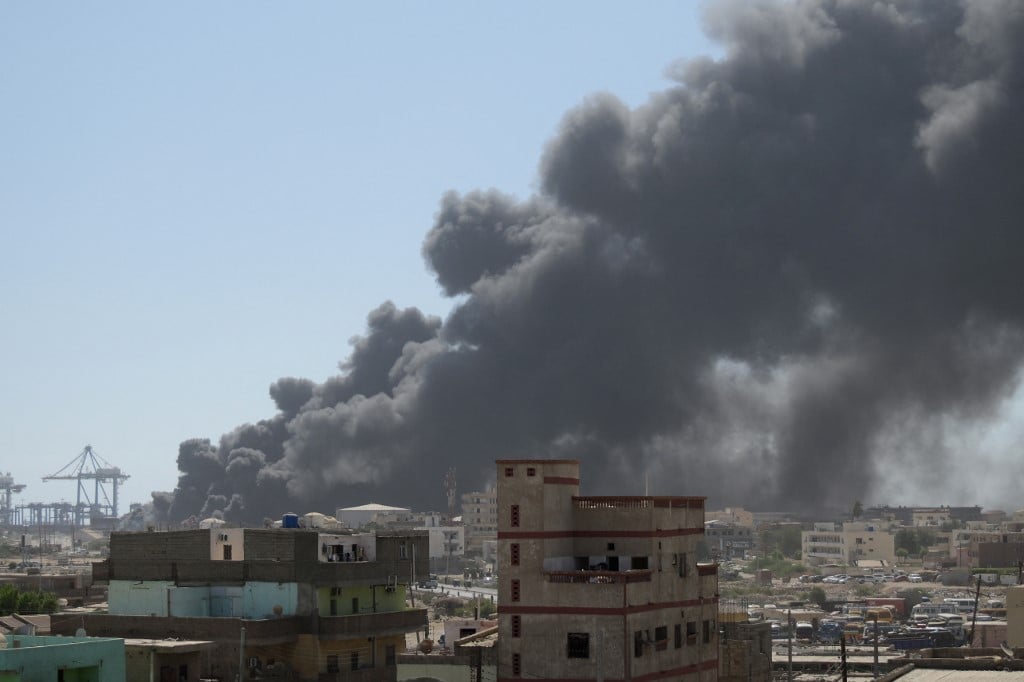
Entire neighborhoods have been flattened. Hospitals, schools, and refugee shelters have been repeatedly struck or rendered inoperable. The United Nations has warned that the destruction of civilian infrastructure has reached a level where Gaza is becoming effectively uninhabitable. These conditions, combined with the near-total collapse of healthcare systems and sanitation networks, have fueled warnings of long-term demographic and humanitarian catastrophe.
The genocide case at the International Court of Justice, brought by South Africa in late 2023, represents the most significant legal challenge to Israel’s conduct. The case alleges violations of the Genocide Convention, accusing Israel of acts intended to destroy the Palestinian population in Gaza in whole or in part. :contentReference[oaicite:0]{index=0}
While the court has not yet issued a final ruling, it has already taken extraordinary steps. In a series of provisional measures, the ICJ stated that the risk of genocide is plausible and ordered Israel to prevent acts that could fall under the Genocide Convention, ensure humanitarian aid access, and avoid further destruction that could threaten the survival of the population.

Adding to the legal pressure are findings from United Nations bodies. A UN Commission of Inquiry concluded that Israel’s actions in Gaza meet multiple criteria associated with genocide, citing patterns of mass killing, forced displacement, and deliberate deprivation of essential resources.
These findings have intensified the global debate, with legal scholars increasingly divided between those who argue that the threshold for genocide has been met and those who caution that proving intent remains a high bar under international law.
The concept of intent is central to the genocide determination. Under the Genocide Convention, it is not enough to demonstrate large-scale killing; it must also be shown that such acts were carried out with the specific purpose of destroying a protected group. UN investigators and some legal experts argue that statements by Israeli officials, combined with patterns of conduct on the ground, provide sufficient evidence of such intent. Israel, however, has consistently rejected these allegations, framing its actions as self-defense following the October 7 attacks and accusing critics of political bias.
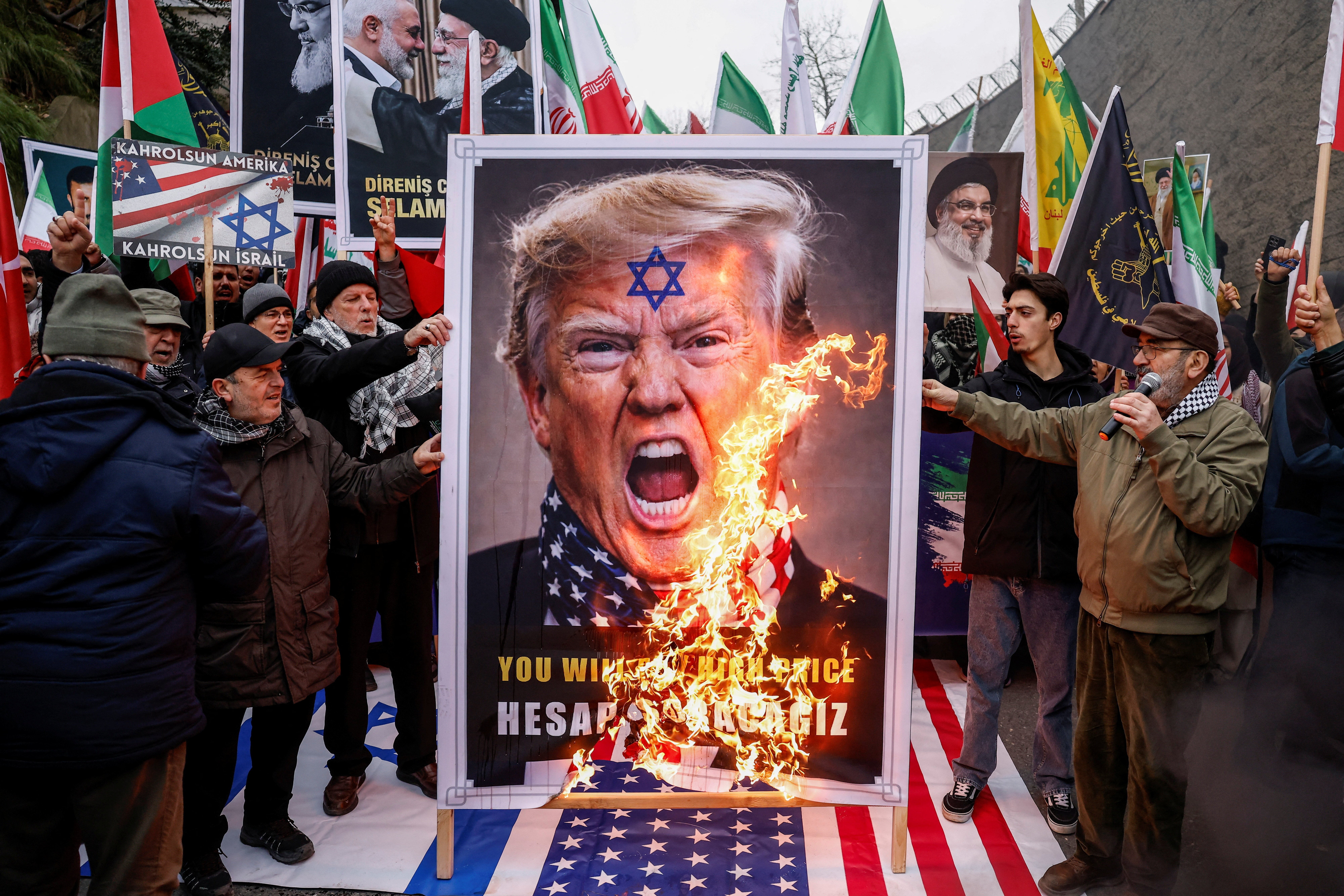
This legal dispute has spilled into geopolitics, exposing a widening rift between the Global South and Western powers. Countries across Africa, Latin America, and parts of Asia have increasingly supported the ICJ case or expressed concern over Israel’s actions. Meanwhile, the United States has formally intervened in defense of Israel at the court, underscoring its strategic alliance and reinforcing perceptions of a divided international order.
In Europe, the picture is more fragmented. While some governments have called for restraint and humanitarian access, others face growing domestic pressure over their continued political and military ties to Israel. A tribunal in the United Kingdom recently accused the government of complicity in violations of international law, arguing that continued support risks enabling alleged war crimes and genocide.
Beyond the legal and diplomatic arenas, the human reality in Gaza continues to worsen. One of the most alarming developments is the crisis of missing persons. Thousands of individuals remain unaccounted for, with families unable to determine whether their relatives are dead, detained, or displaced.

The collapse of institutions such as the UN Relief and Works Agency has further compounded the crisis. With hundreds of staff killed and facilities destroyed, the agency’s ability to provide basic services has been critically undermined, raising fears of a complete breakdown in humanitarian support systems.
For journalists, Gaza has become one of the deadliest places in the world. The number of journalists killed in the conflict has reached unprecedented levels, limiting independent reporting and making it increasingly difficult to verify events on the ground.
As the war continues, its implications extend far beyond Gaza. The conflict has become a defining test of international law, exposing the limitations of global institutions in enforcing accountability. The ICJ’s eventual ruling, which may take years, is expected to shape the future interpretation of genocide and influence how similar cases are handled in the future.
At the same time, the war is reshaping geopolitical alignments. It has intensified criticism of US foreign policy, particularly its unwavering support for Israel, and accelerated calls for a more multipolar world order in which Western dominance is challenged.
For Palestinians in Gaza, however, these broader debates offer little immediate relief. The reality on the ground remains one of destruction, displacement, and survival. Entire generations are growing up amid ruins, with limited access to education, healthcare, or basic security.
The term “Gaza genocide” now sits at the intersection of law, politics, and human suffering. Whether it is ultimately affirmed or rejected by courts, the scale of devastation and loss has already left an indelible mark on global consciousness.
What happens next will not only determine the fate of Gaza but also the credibility of the international system itself.