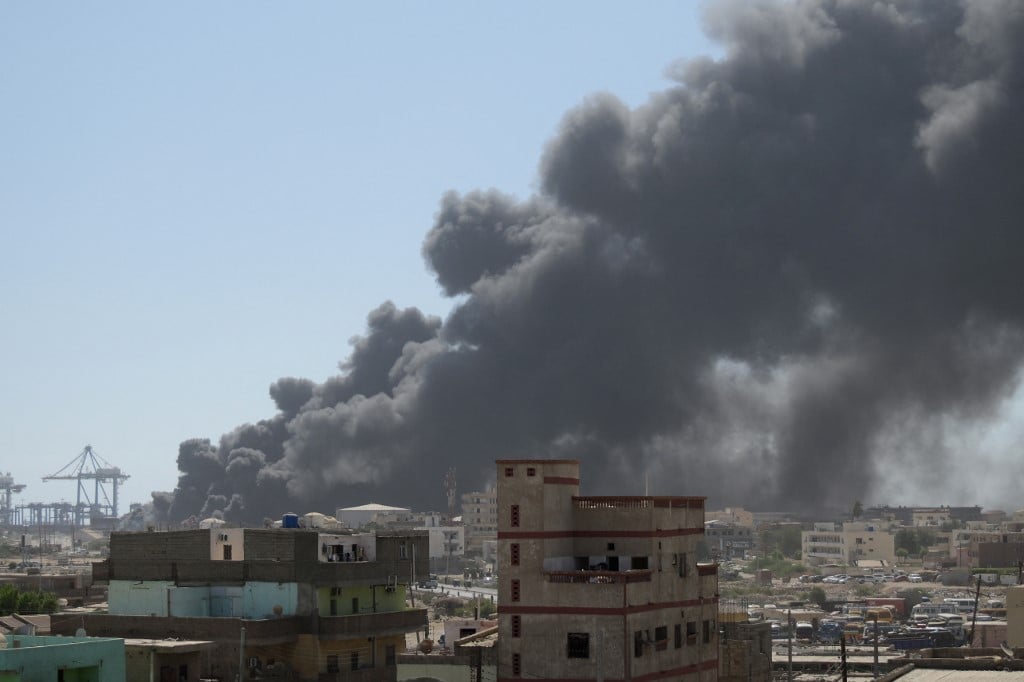
CAIRO / DARFUR — In a war already defined by starvation, displacement, and mass killing, the destruction of a single hospital in Sudan’s Darfur region has come to symbolize something even darker: the systematic collapse of civilian life under the weight of modern warfare.
A drone strike on a hospital in East Darfur has killed at least 70 people, according to international health officials, marking one of the deadliest single attacks on medical infrastructure since the Sudan civil war began. The assault has also rendered the hospital completely inoperable, leaving more than two million people across the region without access to critical healthcare.
For residents of Darfur, the attack is not an isolated tragedy. It is part of a broader pattern of violence that has increasingly targeted civilians and essential services.
The drone strike on a hospital in East Darfur reflects a growing escalation in tactics, where even protected facilities under international law are no longer spared.
A Hospital Turned Into a Target
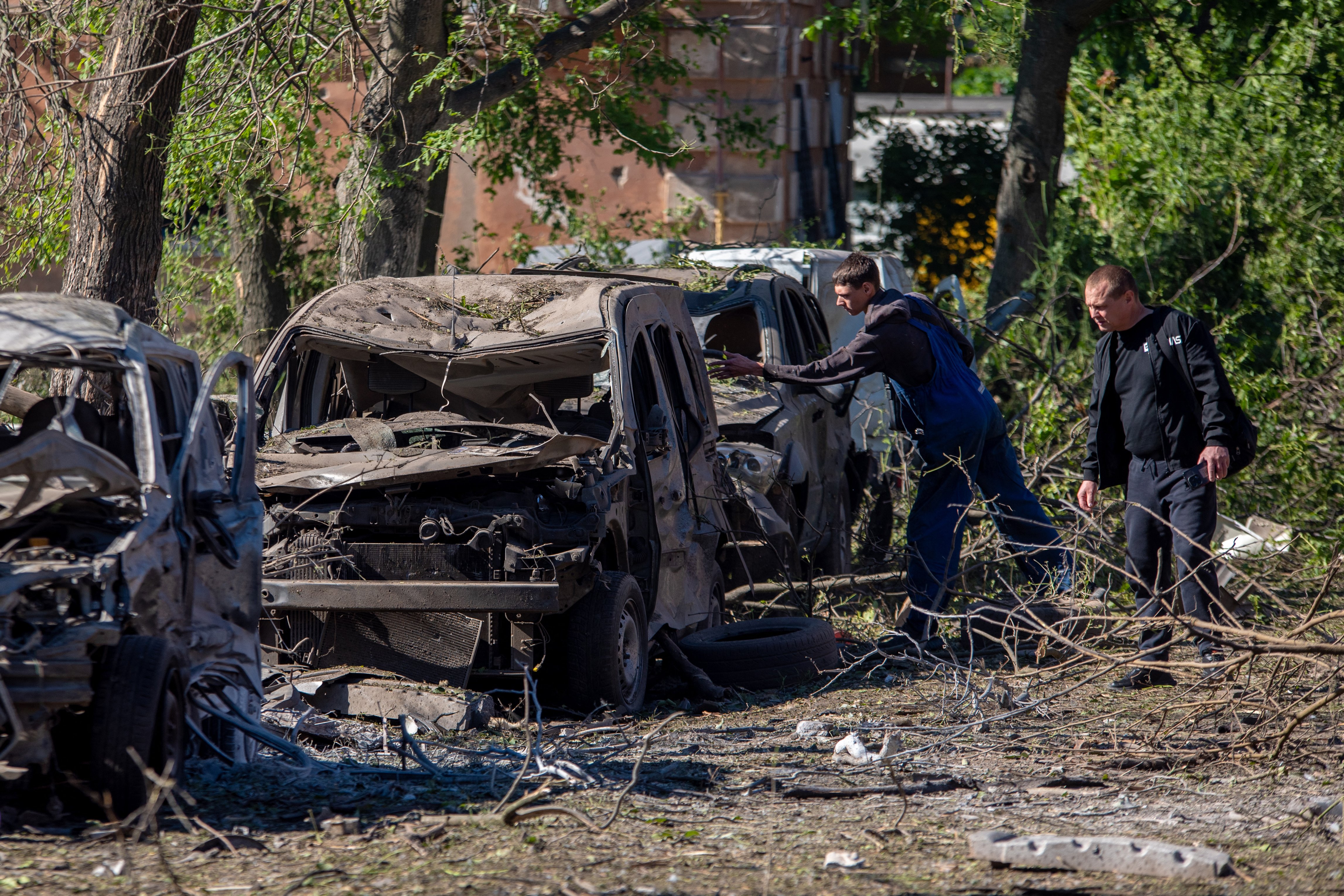
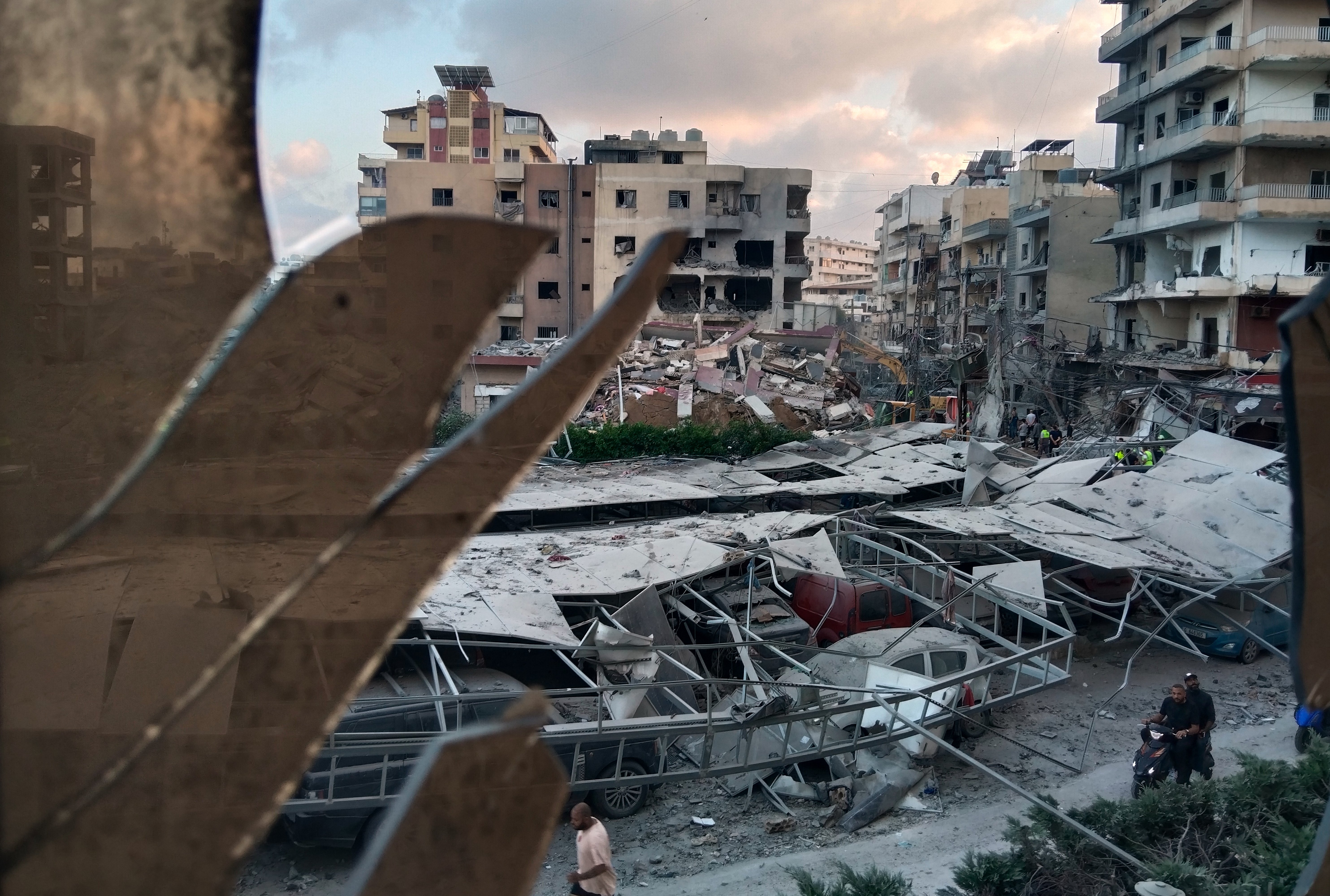
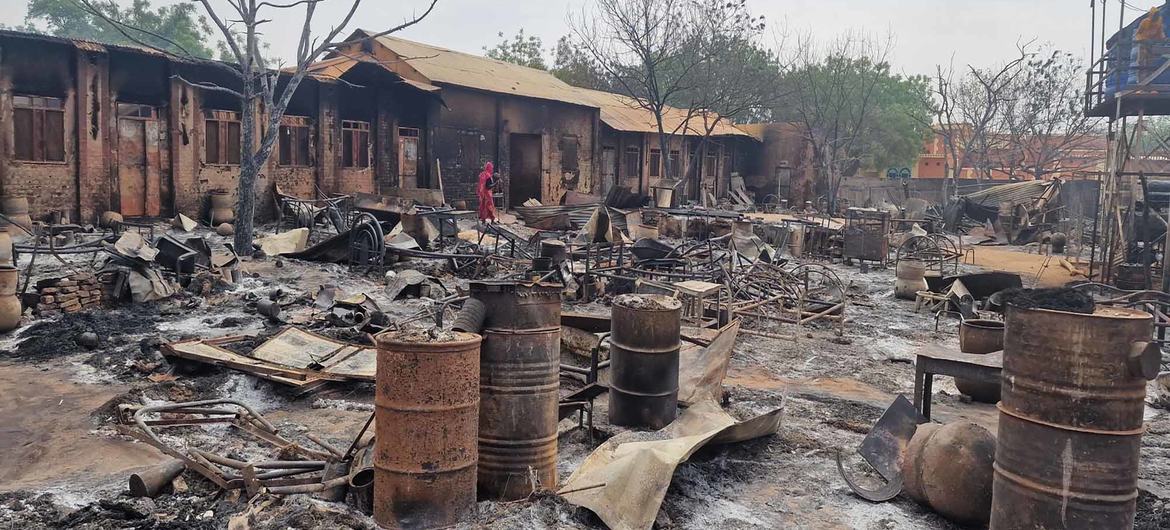
The hospital, once a vital referral center for nine districts, was struck during the Eid al-Fitr holiday. Emergency wards, maternity units, and dialysis centers were reduced to rubble within minutes.
According to field reports, the victims included children, medical staff and patients, underscoring the indiscriminate nature of the strike.
Doctors described scenes of chaos. Survivors were pulled from collapsed buildings, while others died waiting for treatment that would never come.

The Civil War’s Relentless Expansion
The Sudan civil war erupted in April 2023 after a power struggle between military factions. What began as a contest for control in Khartoum has evolved into one of the world’s most severe humanitarian disasters.
Today, more than 40,000 people are believed to have been killed, though humanitarian organizations warn the true toll may be far higher.
The conflict has displaced millions and devastated entire regions, particularly Darfur, where long-standing ethnic tensions have intensified.

These patterns of violence in Darfur have prompted warnings from international observers that the situation could spiral further out of control.
Drone Warfare and the New Face of Conflict
One of the most alarming developments in the Sudan civil war is the increasing use of drone strikes.
These attacks have expanded the battlefield beyond traditional front lines, enabling strikes deep into civilian areas.
According to humanitarian agencies, attacks on healthcare facilities have killed more than 2,000 people since the war began, reflecting a dangerous normalization of targeting civilian infrastructure.
Healthcare Under Siege
The destruction of the hospital is only one example of a broader crisis.
Medical facilities across Sudan are facing severe shortages, with clinics could run out of supplies within weeks due to disrupted supply chains.
As a result, treatable conditions are becoming fatal, and routine medical care is no longer accessible for millions.
War Crimes and International Silence
The targeting of hospitals is a violation of international humanitarian law, yet such incidents have become increasingly common.
Observers warn that the violence has been described as having hallmarks of genocide, particularly in Darfur.
Despite mounting evidence, international response has been limited.
The conflict continues to be shaped by foreign powers shaping the conflict, complicating efforts to reach a ceasefire or hold perpetrators accountable.
Meanwhile, Sudan remains one of the world’s worst humanitarian crises, with millions in urgent need of assistance.
A Region on the Brink
The implications of the Sudan civil war extend far beyond its borders.
Recent developments suggest that conflict is no longer confined within Sudan’s borders, raising fears of regional destabilization.
Neighboring countries are already grappling with regional instability and refugee crisis as millions flee violence.
A War Without End
Nearly three years into the conflict, there is little indication that the Sudan civil war is nearing resolution.
Both sides remain entrenched, while civilians continue to bear the brunt of the violence.
The destruction of the hospital in East Darfur is not just another incident. It is a stark reminder of the human cost of a war that shows no signs of ending.
As the Sudan civil war intensifies, the conflict is increasingly reshaping regional stability and exposing the devastating human cost of modern warfare.