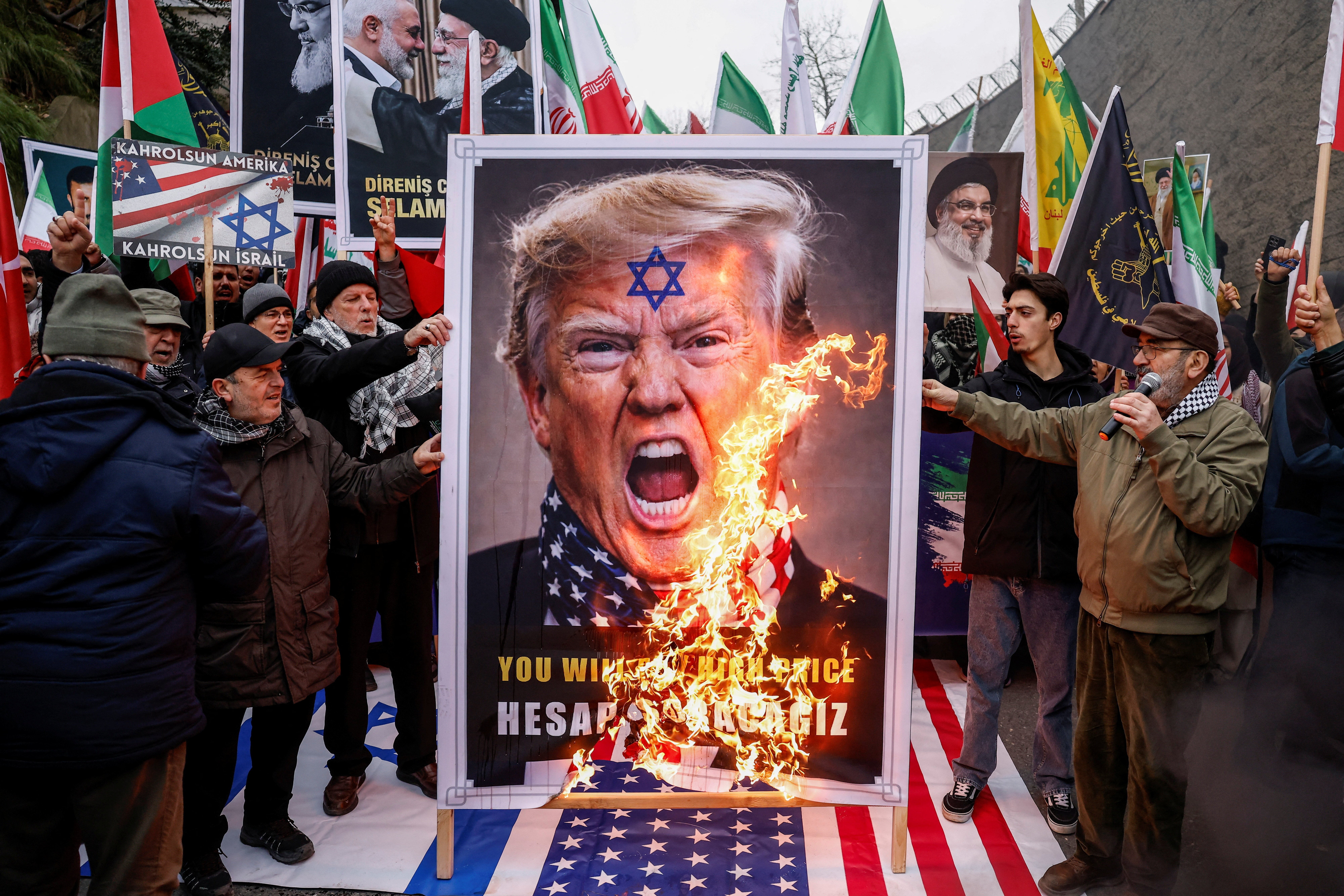
The phrase Israel Attacks Iran no longer describes a limited military campaign. It now defines a widening war that has entered a dangerous and unpredictable phase, as the conflict crosses its first month with no signs of de-escalation and growing evidence that the initial strategic assumptions behind the assault on Iran have failed.
What began as a series of targeted Israeli strikes, backed politically and militarily by the United States, has evolved into a prolonged multi-front regional confrontation, drawing in state and non-state actors across the Middle East. The war is no longer confined to Iran and Israel; it now stretches across Lebanon, Yemen, Iraq, and the Gulf, raising fears of a systemic regional collapse.
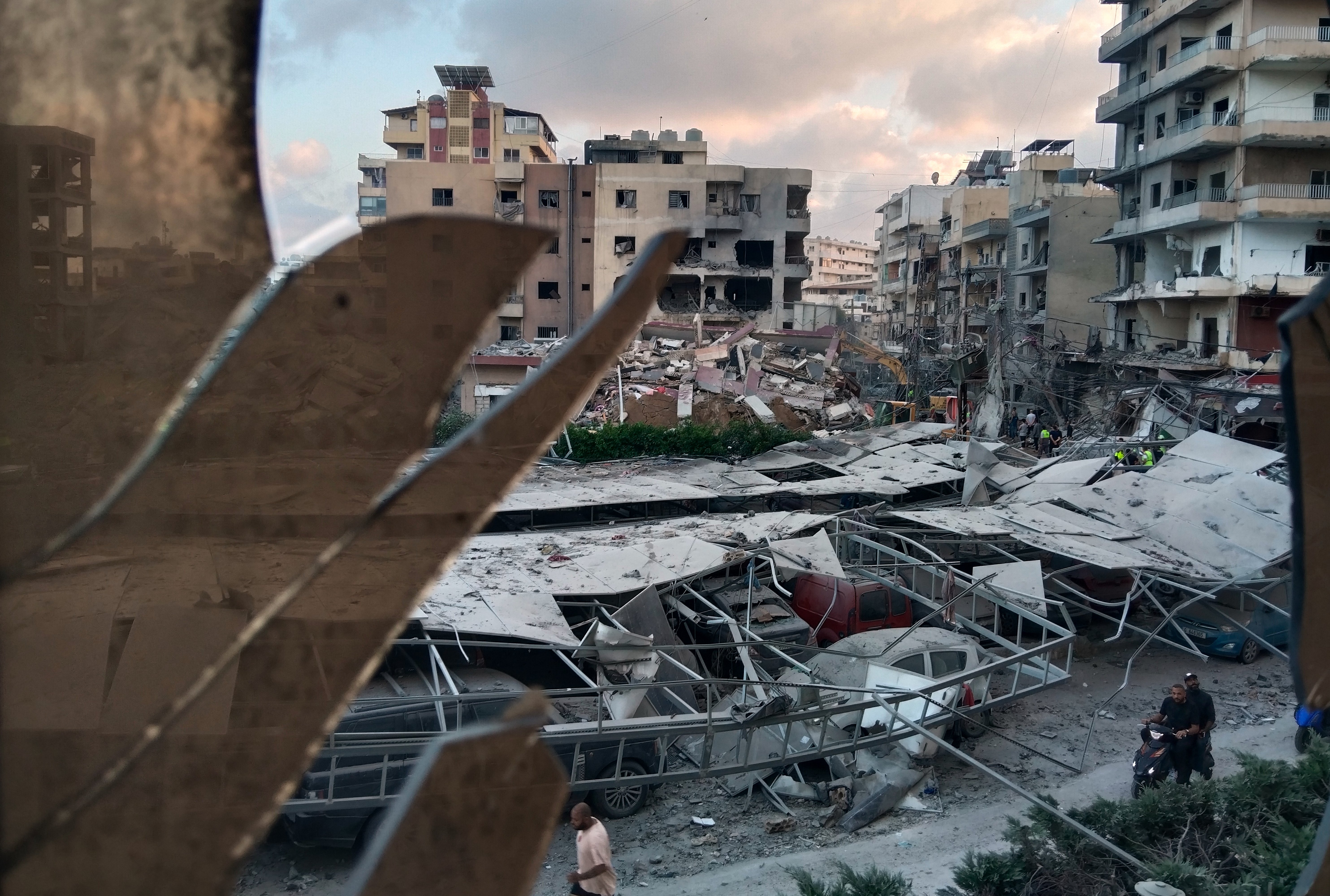
According to the latest battlefield updates, the war has now entered its 31st day, with sustained strikes continuing on both sides. Israeli forces have intensified attacks deep inside Iranian territory, targeting military installations, energy infrastructure, and industrial facilities. These operations, initially framed as decisive and strategic, have instead triggered a prolonged cycle of retaliation and escalation that continues to expand geographically and politically.
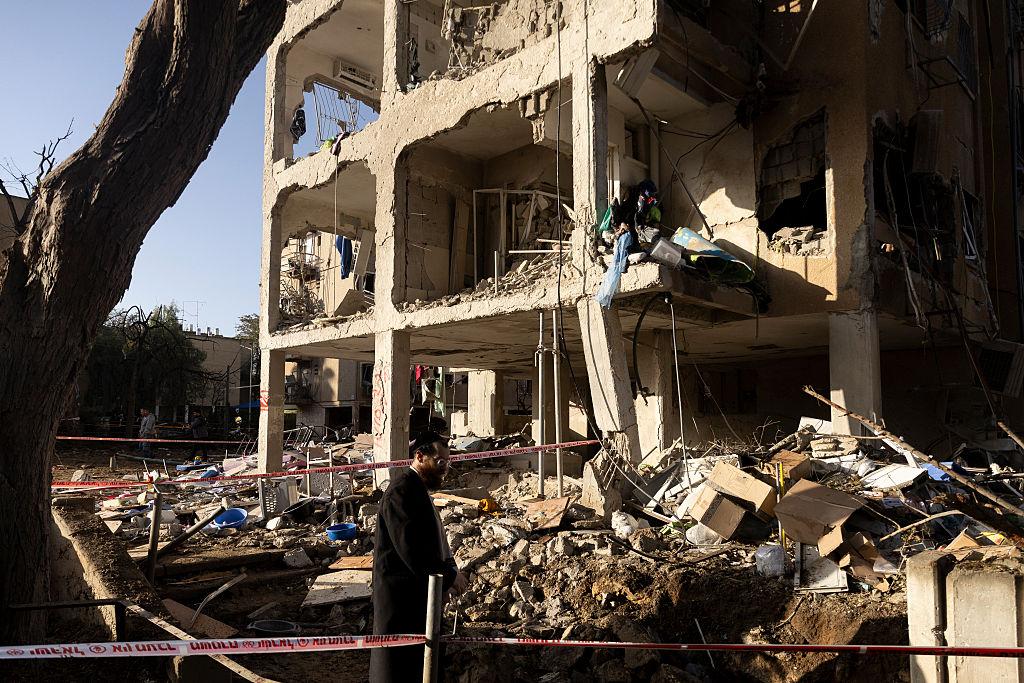
Iran, however, has not responded as expected by Western planners. Rather than collapsing under pressure, Tehran has demonstrated resilience, maintaining operational capability while expanding its response across multiple fronts. Missile and drone attacks have penetrated Israeli defenses and struck key infrastructure targets, exposing vulnerabilities in systems long considered highly effective.
The scale of Iran’s retaliation has challenged the narrative of quick military success. Reports confirm ongoing retaliatory missile attacks targeting Israeli territory and regional assets, signaling that Tehran retains both the capability and willingness to sustain a prolonged conflict.
Perhaps the most significant shift in the war has been its expansion into what analysts now describe as an “infrastructure war.” Both sides have increasingly targeted energy systems, industrial hubs, and civilian-linked facilities, marking a dangerous escalation beyond traditional military objectives.
This escalation has raised alarms globally, particularly as the United States has openly threatened to strike Iran’s critical systems. Washington has warned that failure to comply with its demands could result in attacks on oil facilities, power grids, and even water infrastructure.
The shift toward targeting civilian infrastructure represents a turning point in the conflict. Experts warn that such actions risk triggering a humanitarian crisis across the region, particularly in countries heavily dependent on desalination plants for drinking water.
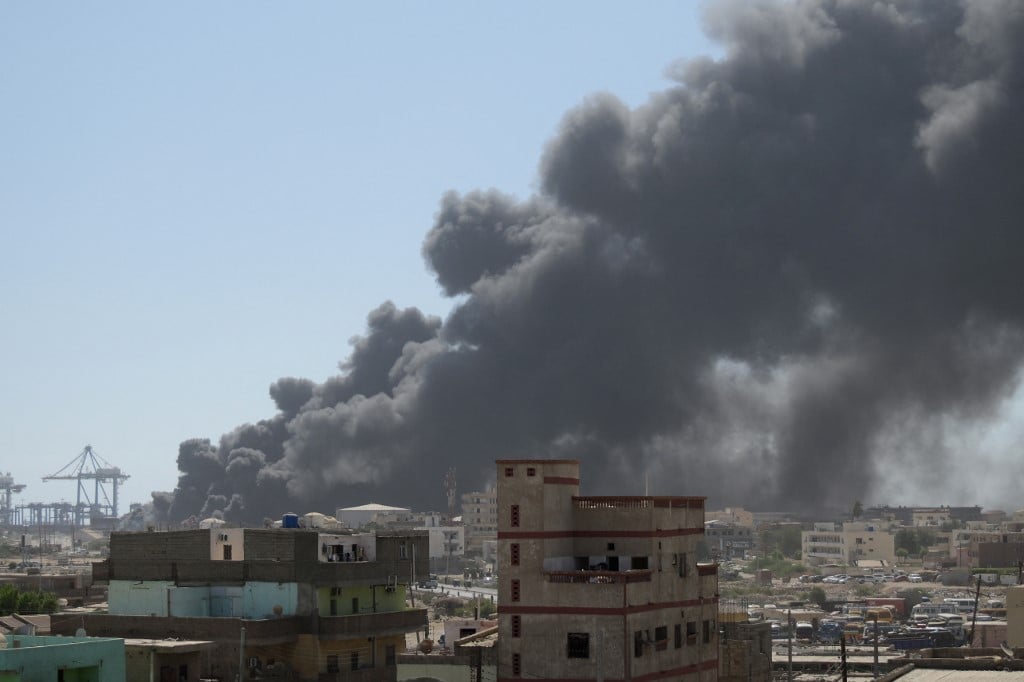
Recent incidents underscore these concerns. Infrastructure linked to water and power systems has already been damaged in cross-border attacks, with casualties reported, including foreign workers caught in the escalating strikes.
Iran has responded with stark warnings of its own, signaling that any further escalation will be met with reciprocal action. Tehran has made clear that it will target energy networks and strategic assets across the region if its own infrastructure continues to come under attack, raising fears of a cascading crisis affecting multiple Gulf states.
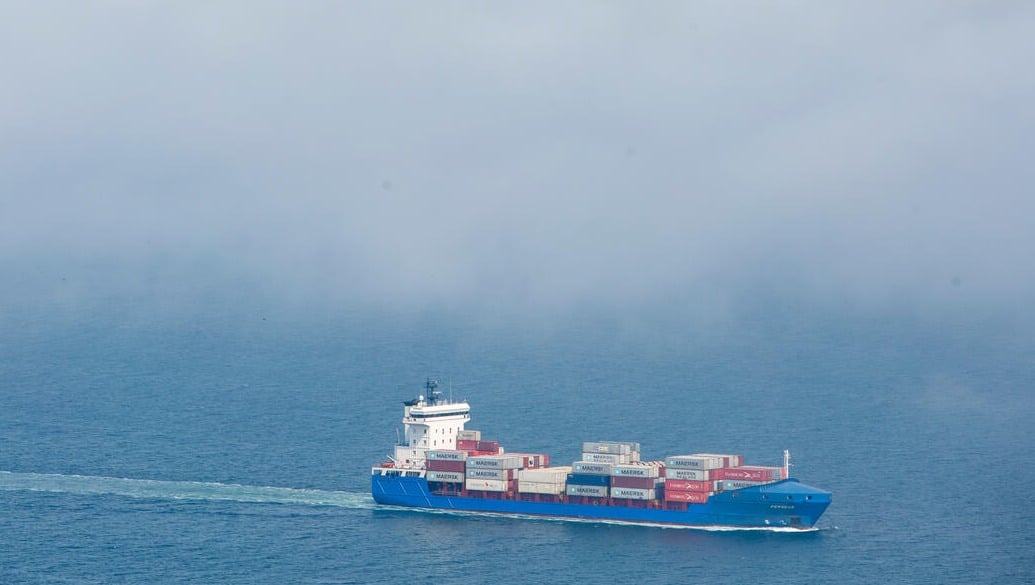
At the center of this unfolding crisis lies the Strait of Hormuz, one of the world’s most critical energy corridors. Iran’s actions around the waterway have already disrupted shipping routes that carry a significant portion of the global oil supply, triggering sharp increases in energy prices and raising fears of a global economic shock.
The economic consequences are being felt far beyond the region. Markets have reacted with volatility, oil prices have surged, and international institutions have warned of potential inflationary pressures and economic slowdown if the conflict continues.
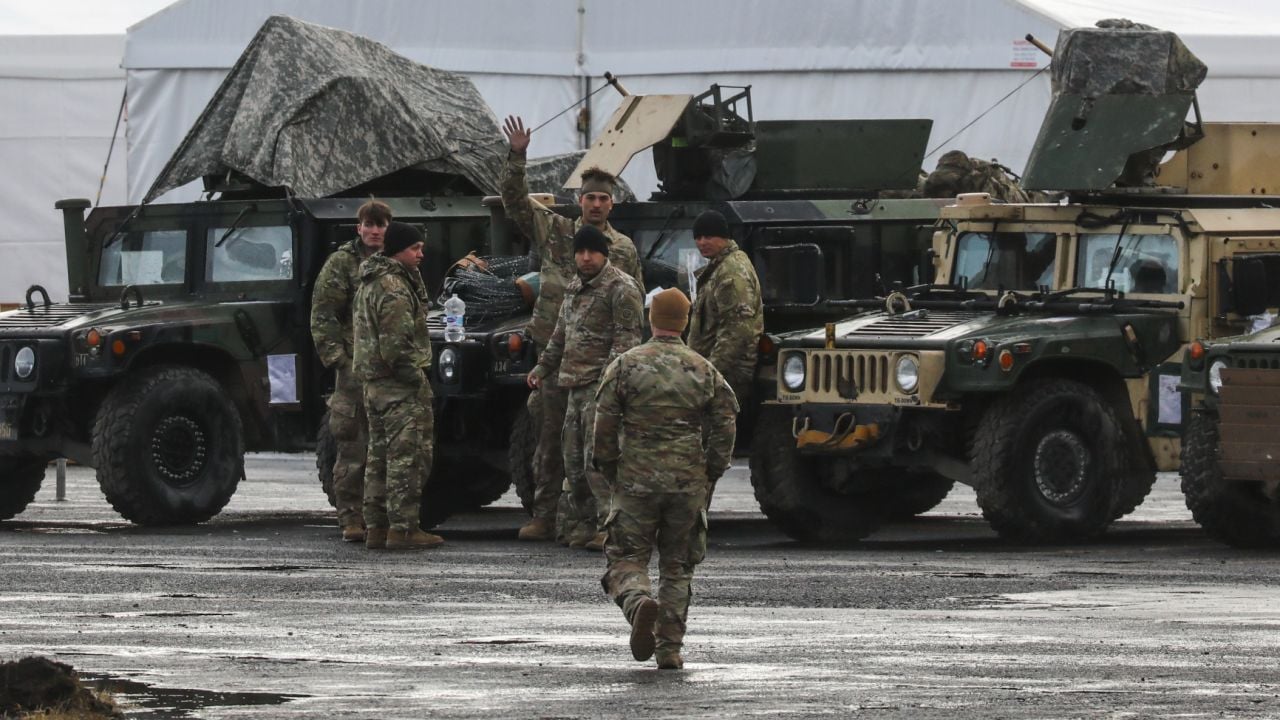
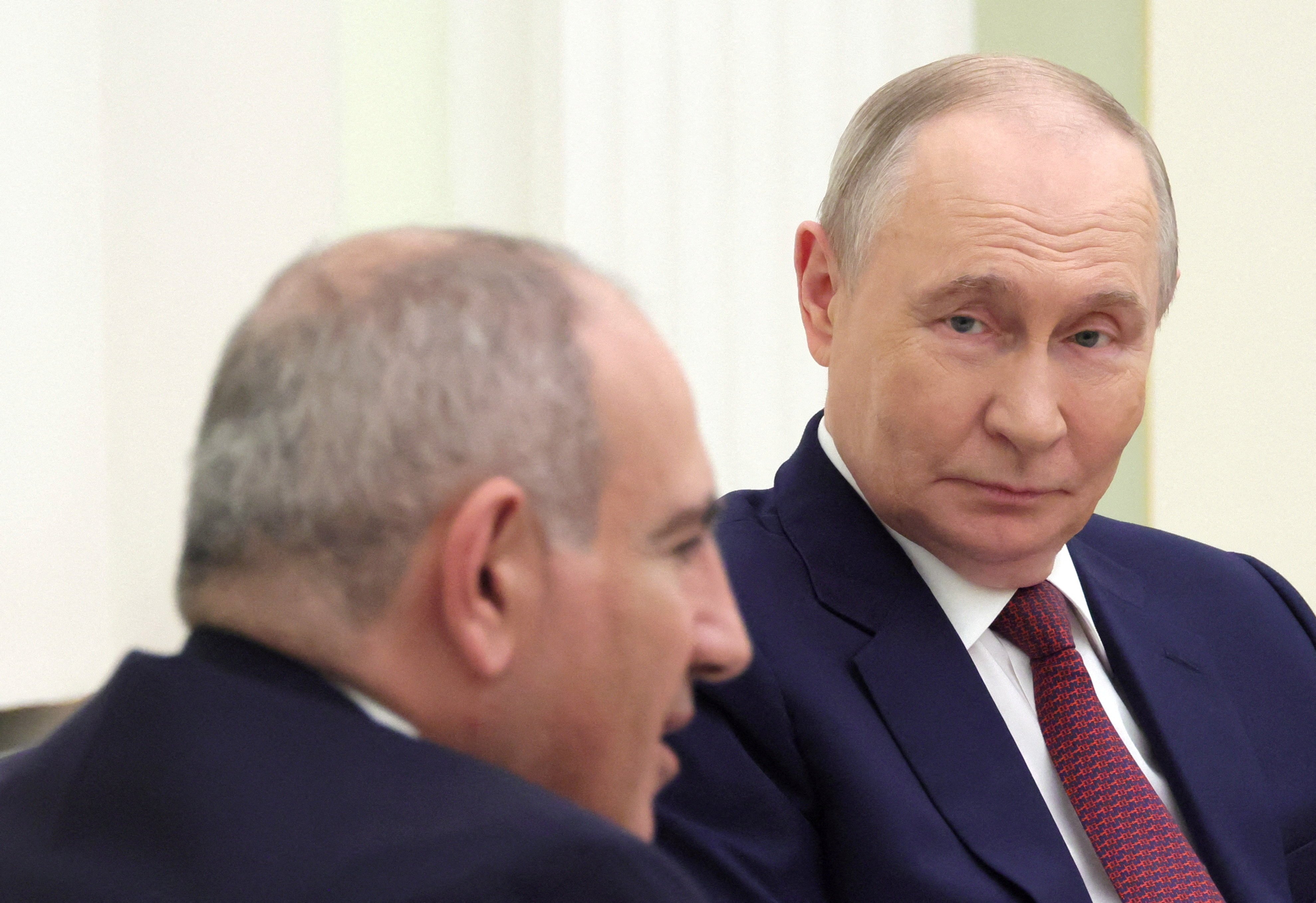
Meanwhile, the United States has significantly increased its military presence in the region. US troops have been deployed across multiple strategic locations, while officials continue to signal both escalation and diplomacy in parallel. However, Iranian leaders have accused Washington of preparing for a ground invasion while publicly discussing negotiations, deepening mistrust between the two sides.
The entry of additional actors has further complicated the conflict. Armed groups aligned with Iran, including Hezbollah and the Houthis, have opened new fronts, effectively transforming the war into a multi-theater confrontation. These developments have stretched Israeli and US military resources while increasing the risk of unintended escalation.
Despite the intensity of the campaign, there is growing recognition that the initial strategic goals may not have been achieved. Analysts suggest that the assumption of a rapid weakening of Iran has proven flawed, with Tehran demonstrating both resilience and adaptability in the face of sustained pressure.
Instead of a decisive outcome, the conflict appears to be entering a phase of attrition. Both sides continue to exchange strikes, with neither able to deliver a conclusive blow. Diplomatic efforts remain fragmented, with backchannel talks ongoing but no clear path to resolution.
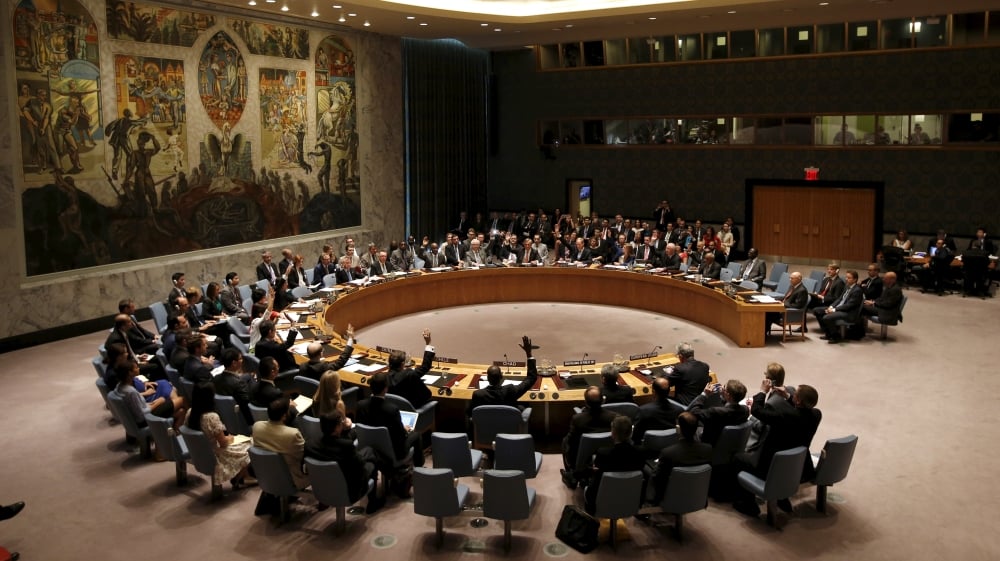
At the same time, criticism of the war is mounting internationally. Several governments and analysts have raised concerns about the legality of the campaign, with some describing aspects of it as a potential violation of international law.
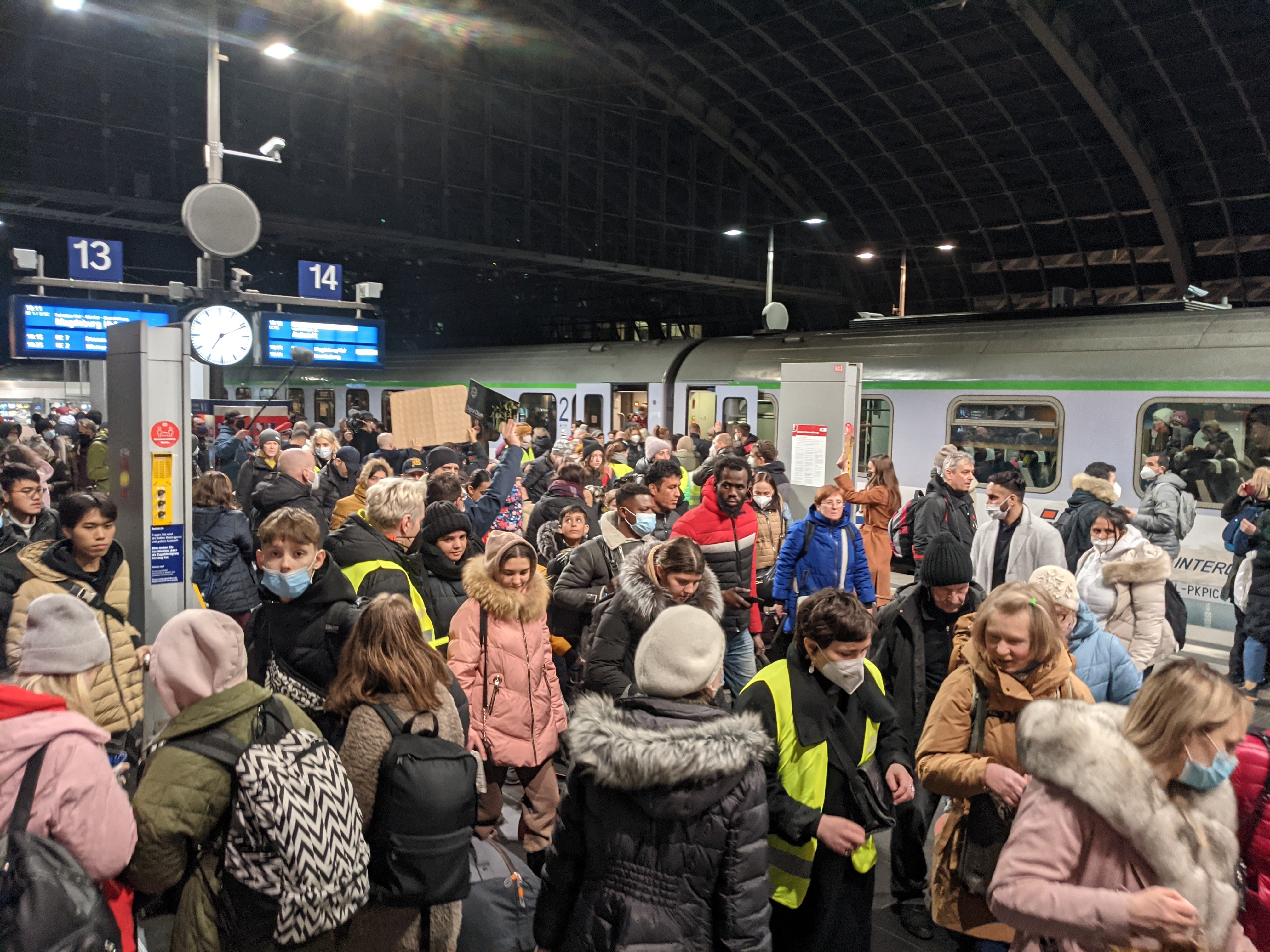
The humanitarian toll continues to rise. Civilian casualties, infrastructure destruction, and widespread disruption to daily life are being reported across multiple regions. Millions remain at risk as essential services, including water and electricity, come under increasing pressure.
What is becoming clear is that the phrase Israel Attacks Iran now represents more than a military operation. It reflects a conflict that is reshaping global alliances, destabilizing economic systems, and redefining the nature of modern warfare through its focus on infrastructure and systemic disruption.
As the war moves deeper into its second month, the risks continue to grow. With multiple fronts active, major powers directly involved, and critical global supply routes under threat, the possibility of further escalation remains dangerously high. Whether through continued military action or a fragile diplomatic breakthrough, the outcome of this conflict will have far-reaching consequences for the Middle East and the world.