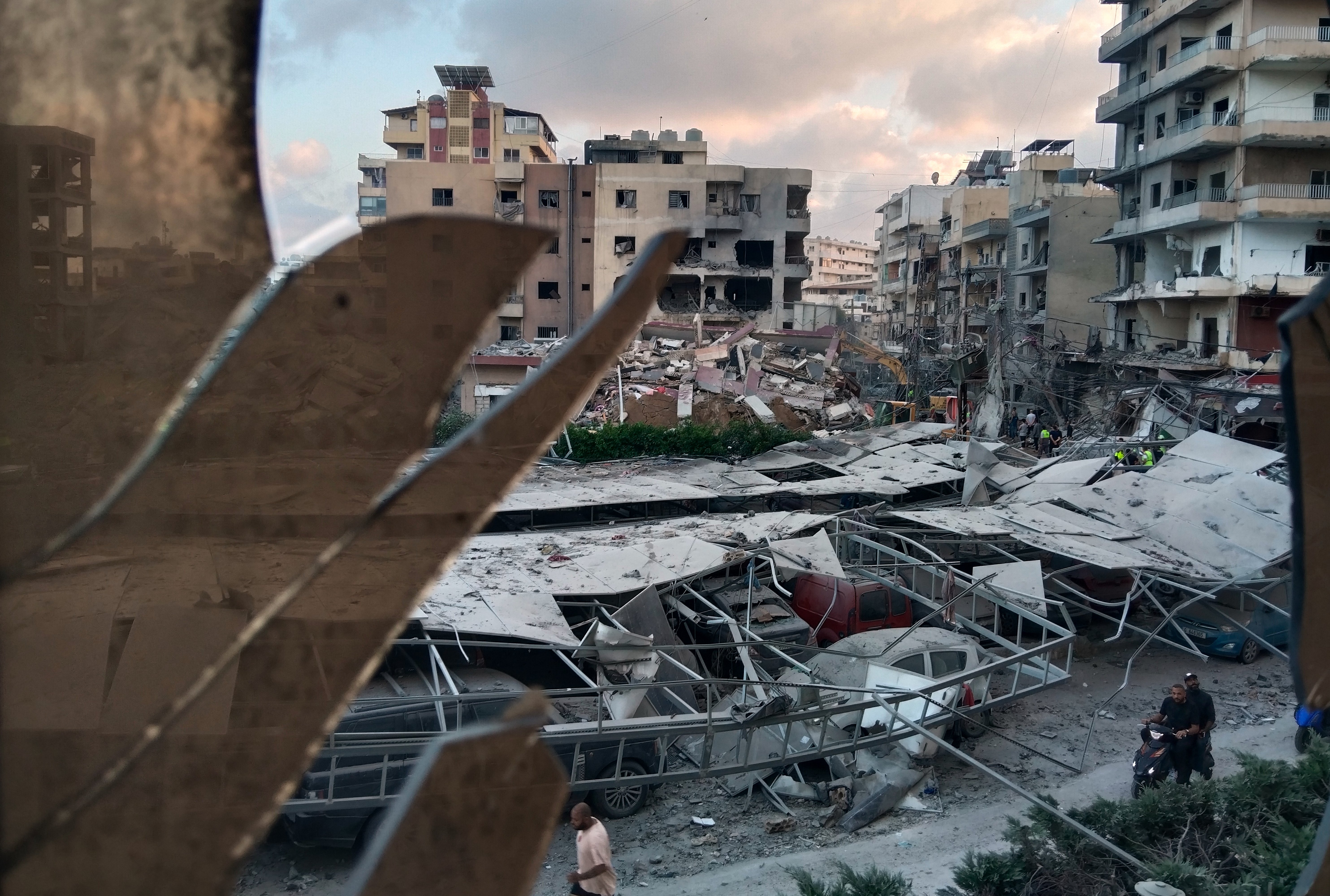
In the span of a single day, the transatlantic alliance that has defined global security for more than seven decades was thrust into one of its gravest crises.
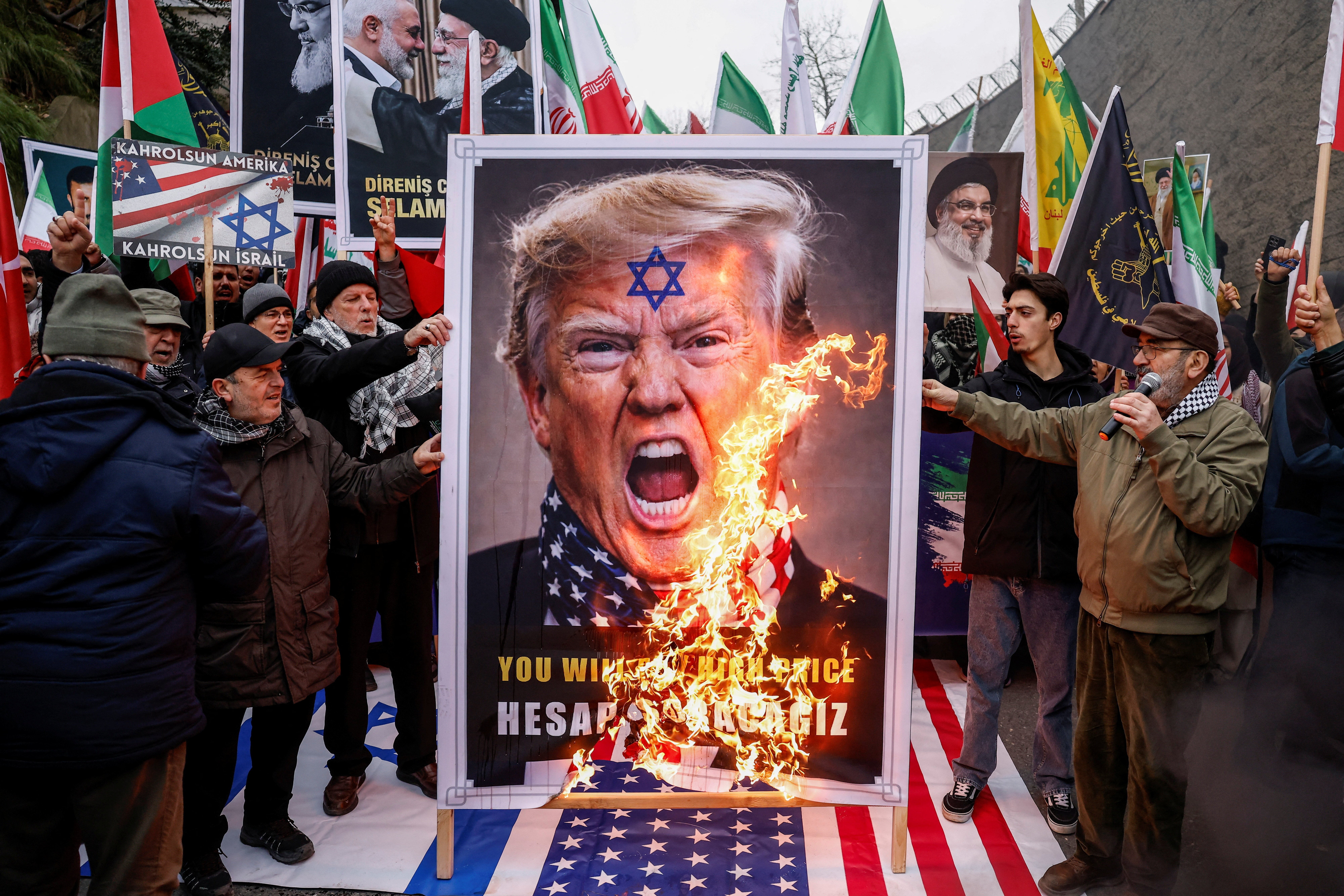
President Donald Trump declared he was considering withdrawing the United States from NATO, a statement that reverberated across European capitals and sent a wave of unease through the alliance. The threat came not in isolation, but at the height of a widening geopolitical rupture tied to the ongoing US-led war against Iran.
For many NATO members, the message was unmistakable: the foundational assumptions of collective defense, political trust, and shared strategic purpose were no longer guaranteed.
A Crisis Rooted in War
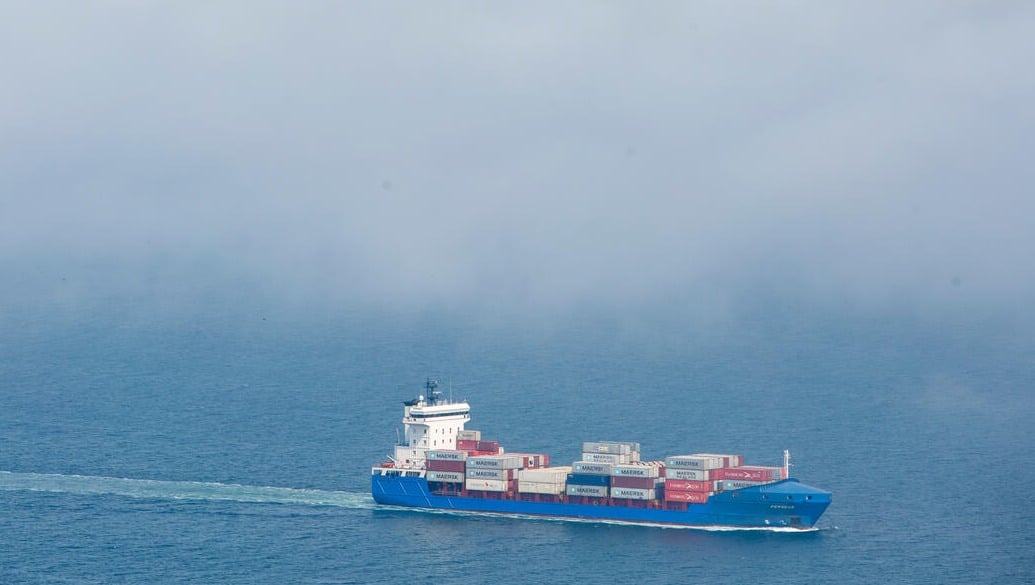
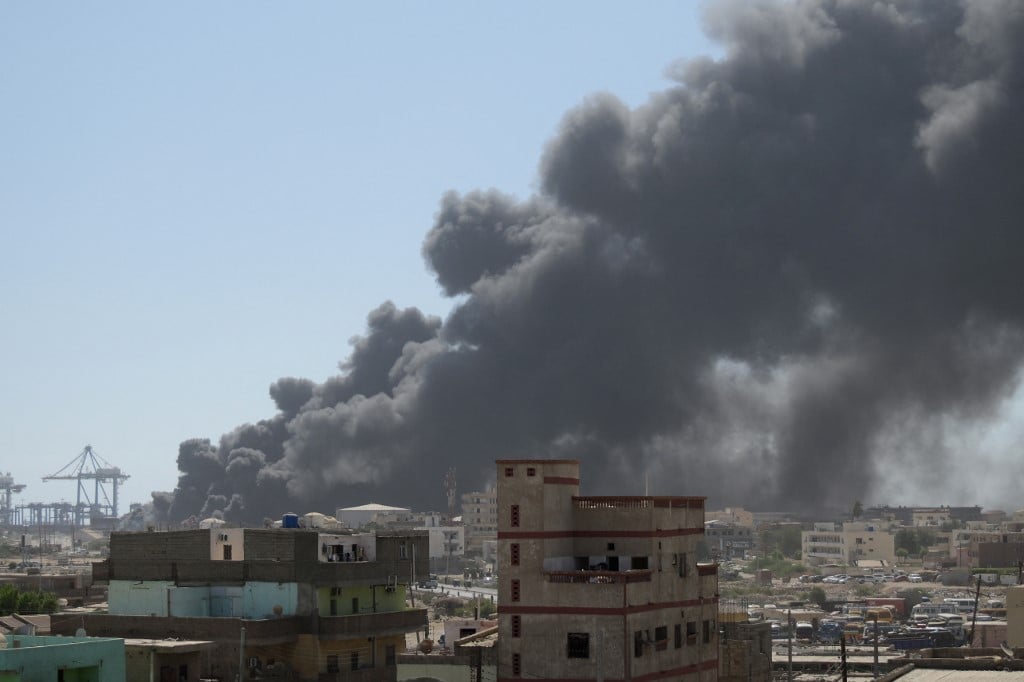
The immediate trigger for the confrontation lies in the Strait of Hormuz crisis, a narrow but vital artery through which a significant portion of the world’s oil supply flows. As the conflict with Iran intensified, Washington pressed its European allies to contribute naval forces to secure the passage.
They refused.
France, Italy, Spain, Germany, and others declined to participate in what they viewed as a US-driven military escalation outside NATO’s defensive mandate.
The refusal was not merely symbolic. Spain shut its airspace to US military aircraft linked to operations in Iran, while Italy and France denied key logistical access requests.

To Trump, it was betrayal.
“They haven’t been friends when we needed them,” he said, framing the alliance as a one-sided arrangement that no longer served US interests.
Fear Without Panic Across Europe
Behind the diplomatic language of restraint and unity, a deeper current has emerged, strategic anxiety.
European officials have publicly called for calm, but privately they are confronting a scenario once considered unthinkable: a NATO without the United States.
This growing fear across Europe over NATO is no longer abstract. It is being shaped in real time by political decisions, military refusals, and rising uncertainty about Washington’s long-term commitments.
Germany reiterated its commitment to the alliance, even as officials acknowledged that Trump’s rhetoric was not unprecedented. The UK signaled continued support for NATO but distanced itself from direct involvement in the Iran conflict.
The pattern is striking. No major European power has openly broken with the alliance, but none has aligned with Washington’s war effort either.
This dual posture, resistance paired with caution, captures the essence of the current moment: fear, but not yet rupture.
The Unraveling of Strategic Trust
At the center of the crisis lies a more profound breakdown: trust.
The United States launched its campaign against Iran without formal NATO consultation or invocation of Article 5, raising fears of the most severe crisis in NATO’s history.
Even more destabilizing was the moment when officials declined to reaffirm America’s commitment to NATO’s collective defense, signaling that the alliance’s core guarantee could no longer be taken for granted.
For European policymakers, the implication was stark: the security guarantee that underpins NATO may no longer be automatic.
A Long History of Tension Comes to a Head
Trump’s skepticism toward NATO is neither new nor subtle.
For years, he has criticized the alliance as financially burdensome and strategically imbalanced, arguing that European nations rely too heavily on American military power.
What distinguishes the current crisis is its convergence with an active war, a divided alliance, and concrete policy actions, denied access, operational refusals, and open threats of withdrawal.
The result is not just disagreement, but structural strain.
The Iran War as a Catalyst
The war with Iran has acted as an accelerant, exposing underlying fractures that had long existed within the alliance.
The broader escalation, seen in Israel attacks Iran, has intensified pressure on global supply chains and geopolitical alignments.
European governments have raised concerns over the legality, strategy, and long-term consequences of the conflict. Some officials have warned that involvement could escalate regional instability and disrupt global energy markets already under pressure.
This is part of a wider global energy crisis reshaping Europe, where war and supply disruptions are forcing a reconfiguration of economic and strategic priorities.
The Stakes of a US Withdrawal
The possibility of a US exit from NATO, once considered implausible, is now being openly debated in policy circles.
Such a move would represent a seismic shift in global geopolitics.
Analysts warn it could accelerate shifts already underway, including how BRICS naval power expands in response to Western fragmentation.
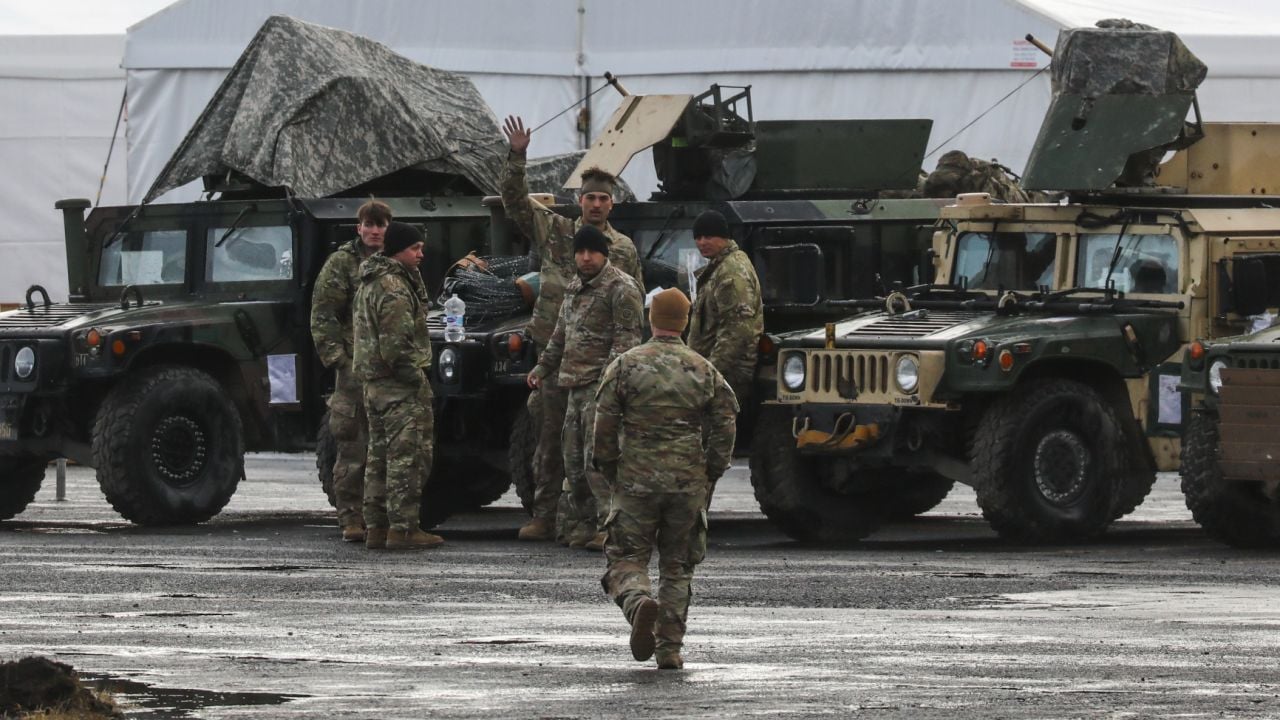
At the same time, political voices within Europe are amplifying calls to remove US troops from Europe, signaling a deeper structural rethinking of the continent’s security architecture.
Even without a formal withdrawal, the mere suggestion has already altered perceptions of reliability and risk.
A Defining Test for the Postwar Order
As Trump prepares to address the nation, the future of NATO hangs in the balance.
What is unfolding is not merely a dispute over military contributions or strategic priorities. It is a test of whether the post-World War II system of alliances can endure in an era of unilateral action and shifting power dynamics.
For now, NATO remains intact.
But the confidence that once defined it is eroding.
And in that erosion lies the true significance of this moment: not the certainty of collapse, but the growing possibility of it.