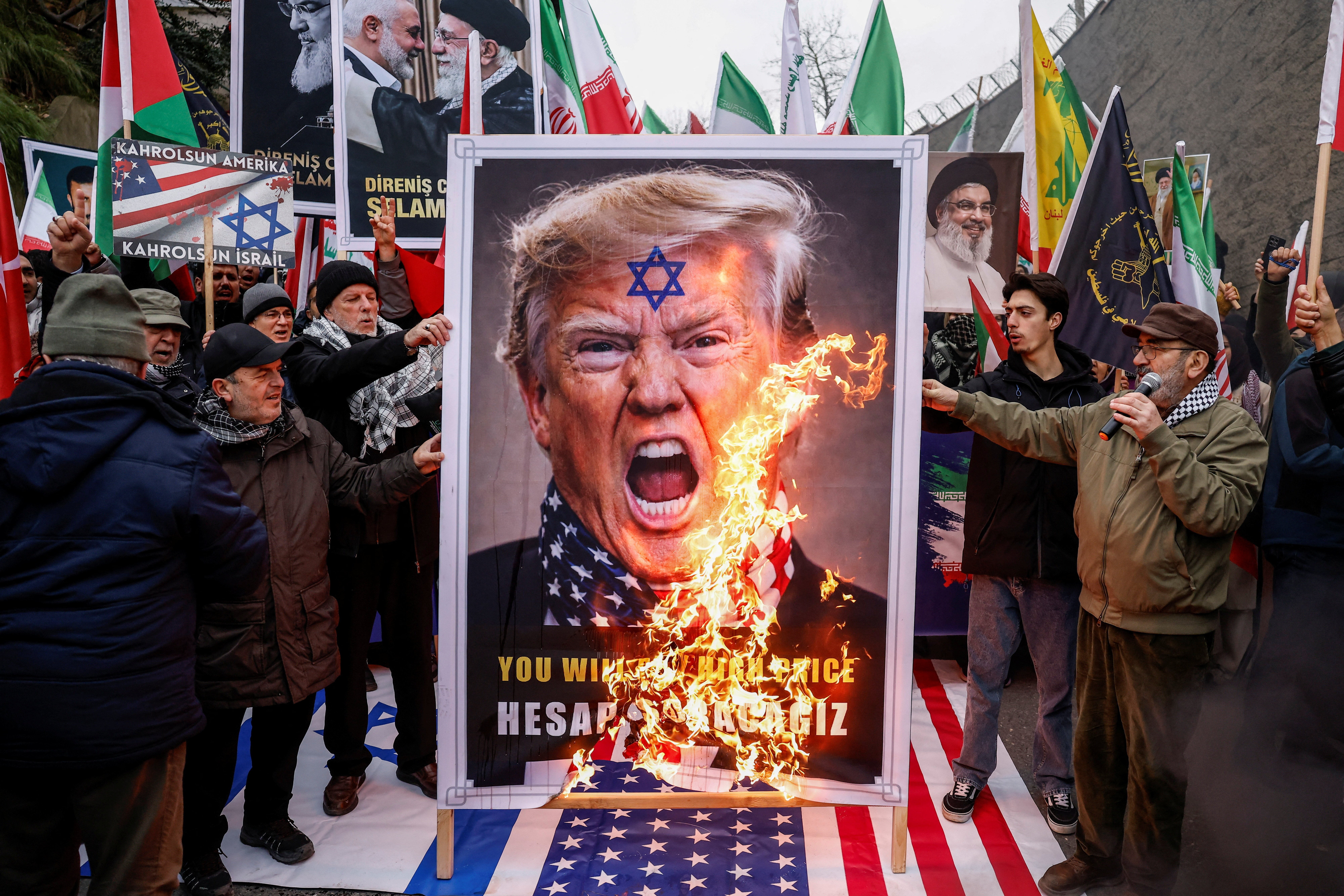
For weeks, the Trump administration insisted that any diplomatic settlement with Iran would require immediate concessions on Tehran’s nuclear program, missile infrastructure, and regional military posture. But after months of escalating confrontation across the Persian Gulf and mounting economic fears tied to the Strait of Hormuz crisis, Washington now appears to be moving toward the very framework Iran had demanded from the beginning: resolve the shipping crisis first, negotiate the nuclear file later.
The shift became clearer this week when President Donald Trump abruptly paused Project Freedom, the US-led naval operation launched to reopen shipping lanes in the Strait of Hormuz after repeated Iranian disruptions and retaliatory US actions. The suspension of the operation followed intensive backchannel diplomacy involving Pakistan, Gulf states, and regional intermediaries attempting to prevent a broader regional war.
The emerging framework now under discussion reportedly focuses on restoring maritime security and easing restrictions in the Gulf before addressing the more politically explosive issue of Iran’s nuclear enrichment activities. Reuters reported that negotiators are discussing a one-page memorandum designed to halt military escalation and reopen trade routes while postponing final nuclear arrangements to later negotiations.
The apparent reversal marks one of the most consequential strategic recalibrations of Trump’s second-term foreign policy.
For months, administration officials framed the confrontation as a test of American credibility after Iran repeatedly challenged Western naval dominance in one of the world’s most vital energy corridors. Yet the prolonged disruption in Hormuz, combined with rising oil volatility and international resistance to deeper military involvement, gradually narrowed Washington’s options.
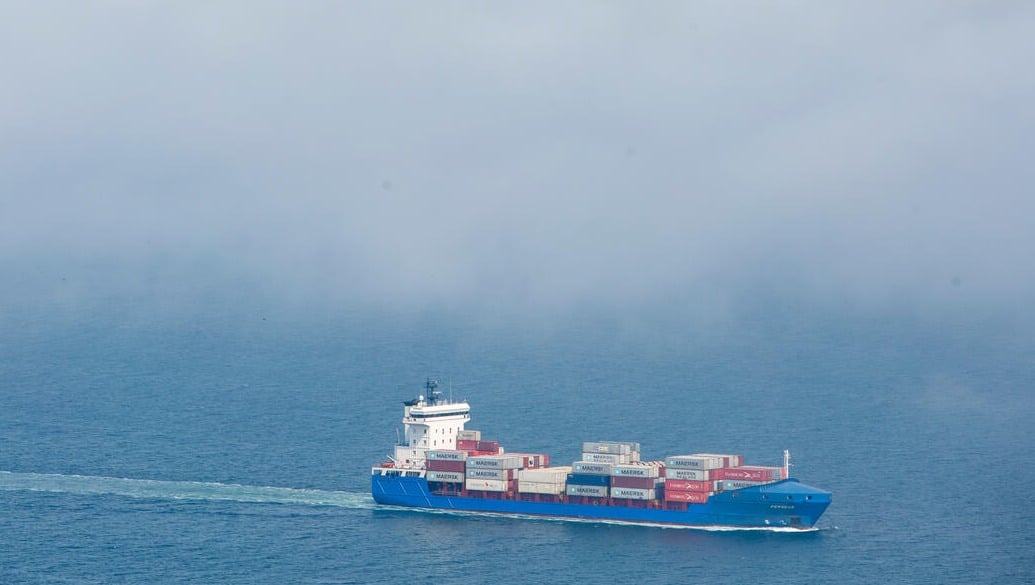
The Strait of Hormuz handles a significant portion of the world’s seaborne oil trade, making even temporary instability capable of rattling oil markets. Iran understood that leverage from the start. Rather than accepting Washington’s demand for immediate nuclear concessions, Tehran sought to redefine the sequence of diplomacy by separating maritime de-escalation from the broader strategic dispute with the US.
That approach initially appeared unacceptable to the White House.
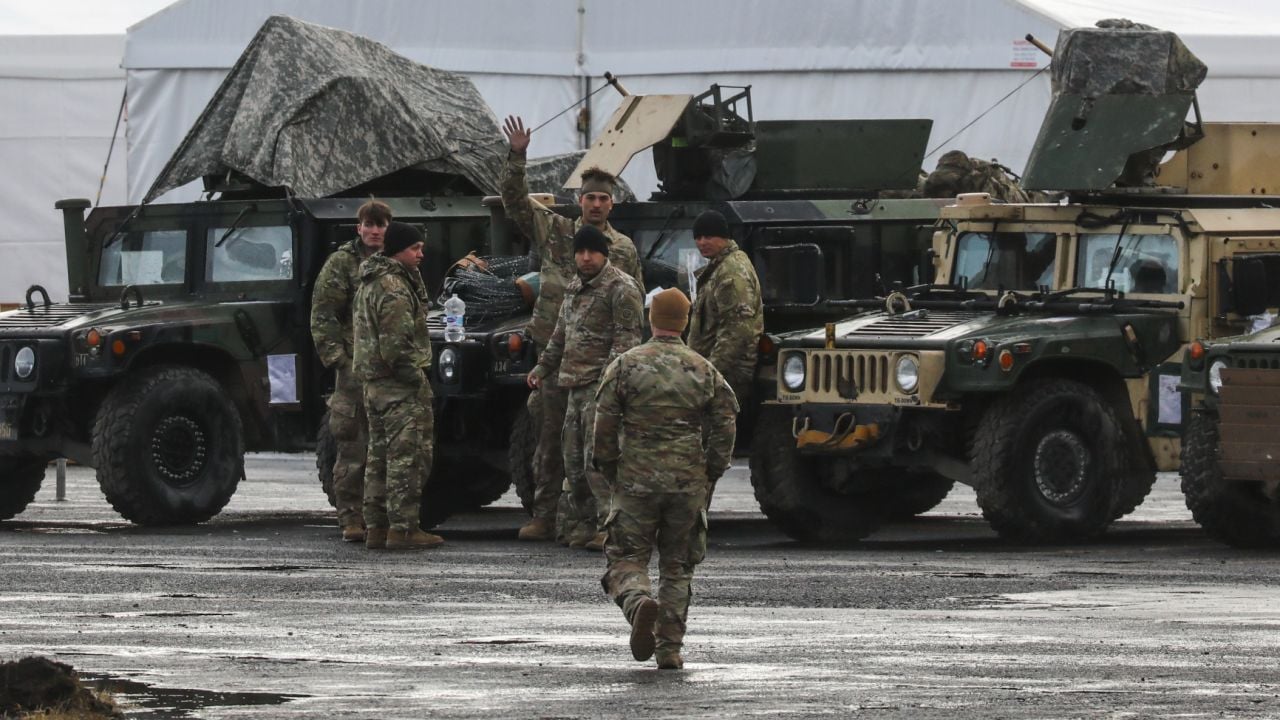
Trump repeatedly warned Tehran that continued disruption in Hormuz would trigger expanded military operations. US naval deployments intensified throughout April after Iranian authorities reimposed restrictions on commercial shipping in response to Washington’s blockade measures targeting Iranian ports.
But the military pressure campaign produced mixed results.
Despite extensive US operations in the Gulf, international shipping remained vulnerable, insurance costs surged, and key US allies showed little enthusiasm for becoming directly entangled in another prolonged Middle East conflict. Several Western governments privately questioned whether Washington possessed a realistic endgame beyond escalation.
The economic consequences also became increasingly difficult to ignore.
Analysts warned that a sustained Hormuz crisis risked fueling inflation shocks across global energy markets at a moment when many Western economies were already facing political and economic strain. Oil traders reacted sharply to every indication of military escalation or diplomatic progress, underscoring the strategic significance of the narrow waterway linking Gulf producers to international markets.
Inside Washington, the pressure for a diplomatic exit appears to have intensified as the costs of confrontation mounted.
Reports from negotiators suggest that Pakistani mediation played an increasingly important role in bridging communication gaps between Tehran and Washington after earlier talks collapsed. Islamabad had already facilitated earlier ceasefire discussions during previous phases of the crisis, giving Pakistan unusual influence in one of the region’s most sensitive geopolitical confrontations.
Saudi Arabia and several Gulf governments also quietly supported efforts to reduce tensions, fearing that a prolonged conflict could destabilize regional energy infrastructure and threaten broader economic recovery plans tied to Gulf investment strategies.
Iran, meanwhile, emerged from the confrontation projecting defiance rather than retreat.
Iranian officials insisted throughout negotiations that Tehran would not accept what they described as a surrender framework imposed under military coercion. Instead, Iranian negotiators argued that maritime security and sanctions relief had to precede broader strategic concessions.
That position increasingly gained traction as the crisis dragged on.
The current draft framework reportedly includes phased sanctions relief, the gradual reopening of shipping routes, limited de-escalation measures in the Gulf, and a temporary pause before broader nuclear negotiations begin. Although no final agreement has been announced, the structure itself reflects a notable shift away from Washington’s earlier insistence on immediate nuclear restrictions as a prerequisite for talks.
The political implications extend far beyond the Gulf.
For Iran, even partial acceptance of its sequencing strategy would represent a major diplomatic victory after months of military confrontation and economic pressure. Tehran has long argued that the US overestimates its ability to impose unilateral security arrangements across the Middle East without regional consensus. The current negotiations appear to validate at least part of that argument.
The crisis also underscores how regional powers are increasingly reshaping Middle East diplomacy beyond traditional Western control.
Pakistan’s mediation role, Gulf state coordination, and the broader reluctance of many countries to align fully behind Washington’s escalation strategy reflect the changing geopolitical balance emerging across Eurasia and the Middle East. The diplomatic center of gravity increasingly appears distributed among regional actors rather than dominated solely by Washington or European capitals.
Even so, major obstacles remain.
Trump has continued to warn that military escalation could resume if negotiations collapse, and hardliners inside both Washington and Tehran remain deeply skeptical of compromise. Iranian officials still reject US demands tied to missile programs and regional alliances, while many American policymakers continue to view Tehran’s expanding regional influence as unacceptable.
The proposed framework also leaves unresolved questions about enforcement, verification, sanctions timing, and the future of Iran’s nuclear infrastructure. Any temporary arrangement could easily unravel if either side concludes that the other is exploiting diplomacy merely to gain tactical advantage.
Yet for now, the pause in military escalation has altered the atmosphere surrounding one of the world’s most dangerous geopolitical flashpoints.
Oil markets have already reacted positively to signs of diplomatic movement. Shipping companies are cautiously monitoring negotiations for indications that Hormuz may stabilize. Regional governments, exhausted by months of uncertainty, appear eager to avoid another cycle of retaliatory escalation.
Whether the negotiations ultimately produce a durable settlement remains uncertain.
But the trajectory of the talks suggests that after months of threats, naval deployments, and economic warfare, Washington may have effectively moved closer to Iran’s demand to settle Hormuz first, nuclear later.