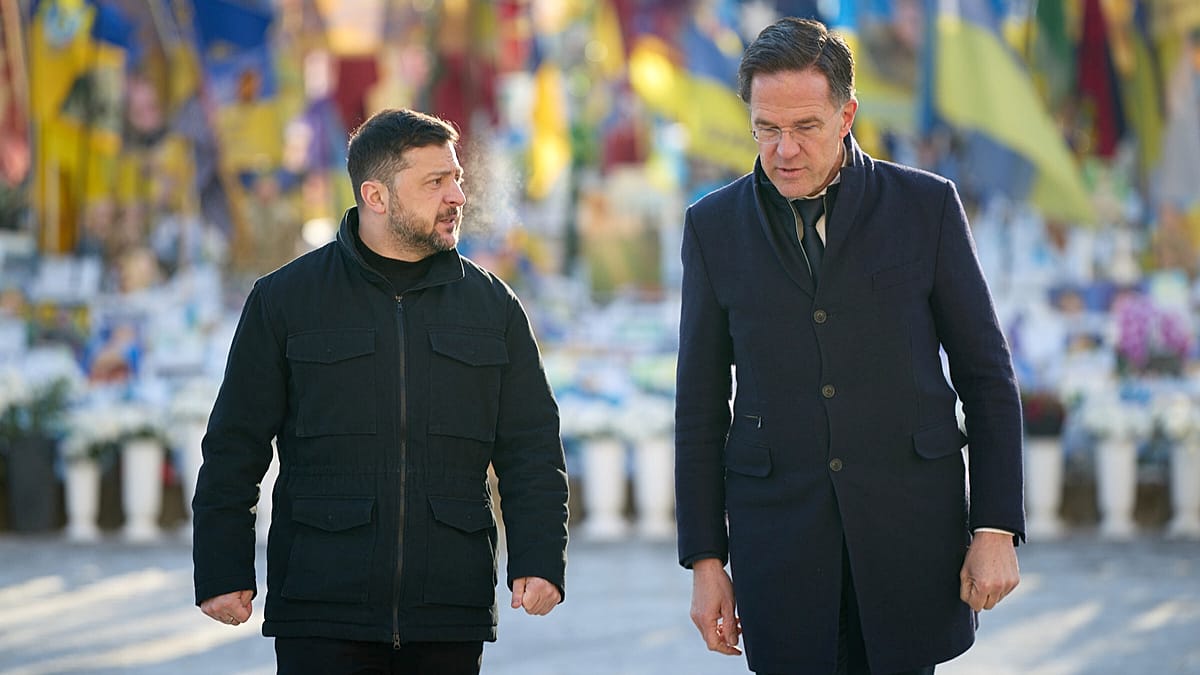
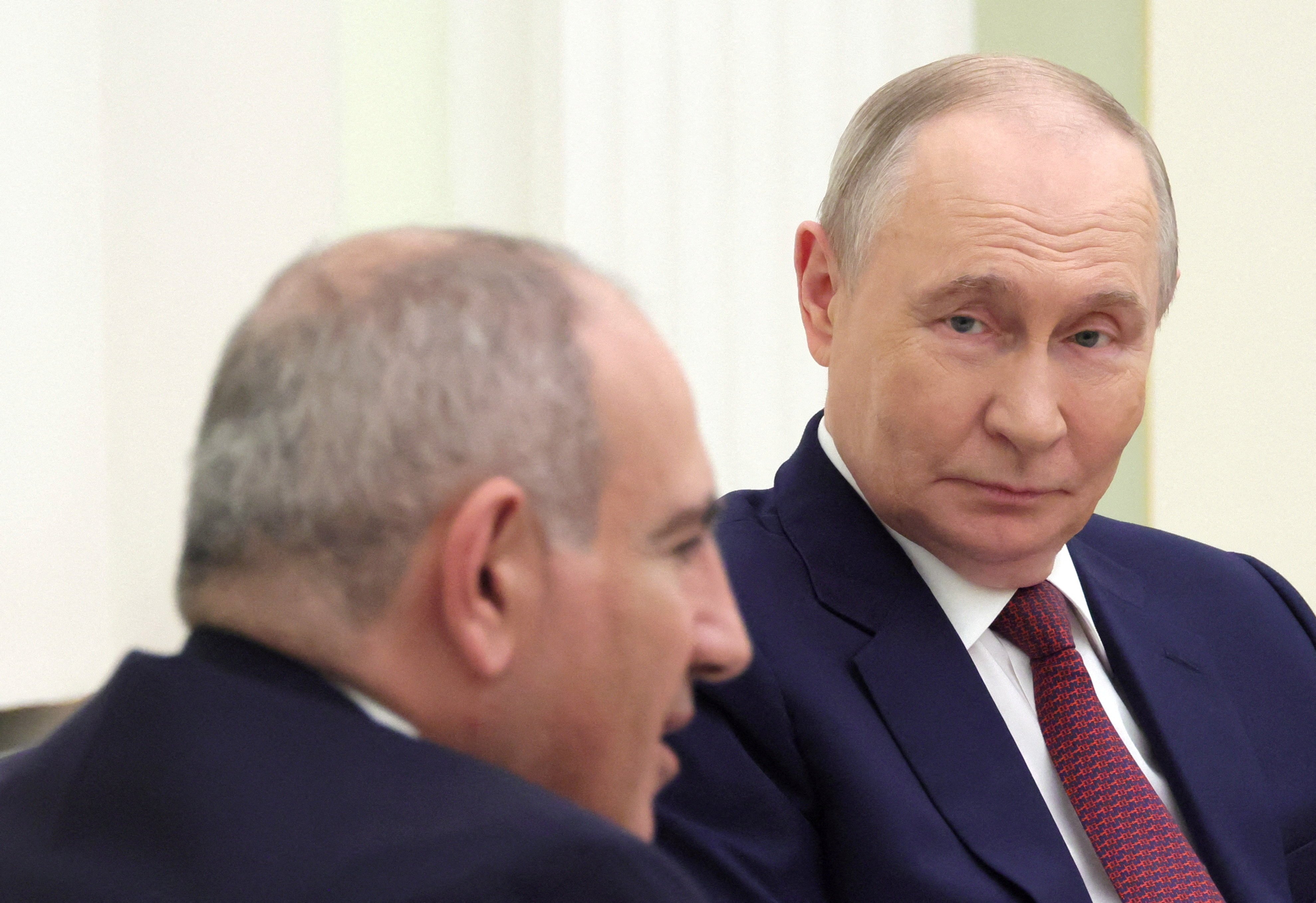
The Kremlin said Tuesday that any potential face-to-face meeting between Russian President Vladimir Putin and Ukrainian leader Volodymyr Zelenskyy would only take place after the negotiation process over the Ukraine conflict is fully completed, reinforcing Moscow’s position that direct talks between the two leaders should serve as the final confirmation of a broader settlement rather than the beginning of new bargaining.
Kremlin spokesman Dmitry Peskov said Moscow remains open to a summit between the two presidents, but only once negotiators finalize all key political and military arrangements linked to the war in Ukraine.
“A meeting makes sense only if the process is fully finalized,” Peskov told reporters in Moscow, according to Russian state media.
The remarks reflect a growing push by Moscow to frame ongoing diplomacy around Ukraine as entering a decisive phase after months of intermittent ceasefires, prisoner exchanges, and US-backed contacts aimed at preventing further escalation in Europe’s deadliest conflict since World War II.
Putin has repeatedly stated in recent days that he is prepared to meet Zelenskyy “at any time,” including outside Russia, if negotiations produce what the Kremlin describes as a stable and long-term settlement. Putin said he believes the Ukraine war is “coming to an end” during recent remarks that fueled speculation about renewed diplomatic momentum.
The Kremlin’s latest position appears designed to emphasize that leader-level diplomacy would function primarily as a ceremonial endorsement of already-agreed terms, rather than a platform for new concessions. Russian officials have increasingly argued that detailed agreements on territory, security guarantees, sanctions, and military arrangements must first be resolved through lower-level diplomatic channels.
The comments come amid renewed international discussion about the future of peace negotiations after a three-day ceasefire had been arranged with Russia earlier this month. Although both Moscow and Kiev publicly supported the truce, battlefield clashes continued despite the ceasefire, with both sides accusing each other of repeated violations along the frontline.
Russian officials later claimed Ukraine violated the ceasefire 23,802 times, while Kiev maintained that Russian attacks never fully stopped during the temporary humanitarian pause rather than a comprehensive peace settlement.
Despite continuing clashes, the ceasefire period marked one of the most visible diplomatic openings in months, including agreements for large-scale prisoner exchanges and indirect contacts involving Washington. Reports also indicated that Ukraine’s top negotiator Rustem Umerov arrived in Miami for consultations linked to broader diplomatic efforts.
US President Donald Trump has repeatedly claimed that his administration is attempting to accelerate negotiations to end the conflict, though no comprehensive framework has yet emerged.
Meanwhile, Kremlin says Trump envoys Steve Witkoff and Jared Kushner may soon visit Moscow as part of ongoing diplomatic contacts between Russia and the United States.
Peskov recently cautioned that peace in Ukraine is still a very long way off because of unresolved territorial and security disputes.
The Kremlin has consistently argued that Western military aid to Ukraine prolonged the conflict and complicated negotiations. Moscow also accuses NATO and the EU of transforming Ukraine into what Russian officials describe as an anti-Russian military platform near its borders.
Ukraine and its Western allies reject those claims, insisting Russia alone bears responsibility for the war following Moscow’s military operation launched in February 2022. Kiev continues to demand the complete withdrawal of Russian troops from internationally recognized Ukrainian territory, a condition Russia has repeatedly rejected.
Diplomatic disagreements are also becoming more visible within NATO and the EU as some European officials quietly acknowledge mounting economic and political fatigue after years of sanctions, military spending, and energy disruptions.
In recent discussions, EU ministers openly discussed the possibility of future negotiations with Russia, even as Brussels continues to publicly support Kiev.
At the same time, nearly $7 billion in new Ukraine funding will go to weapons, highlighting the widening contradiction between military escalation and diplomatic outreach across Europe.
Several analysts believe Washington may eventually pressure Kiev toward territorial concessions if battlefield conditions continue to deteriorate and Western public support weakens.
That debate intensified after reports emerged suggesting Washington may eventually pressure Kiev toward territorial concessions during future negotiations.
Russia-Ukraine peace talks remain central to the growing geopolitical confrontation involving Moscow, Washington, NATO, and the EU.
The Kremlin has also signaled openness to broader negotiations on European security architecture, an issue Putin has increasingly raised in public appearances. Moscow argues that the roots of the conflict extend beyond Ukraine itself and include NATO expansion, Western sanctions, and the long-term balance of power across Europe.
Russian officials additionally confirmed that Russia held discussions with China, India, and the United States over recent developments surrounding the Ukraine conflict and regional security concerns.
The debate over European diplomacy intensified further after EU rejected Putin’s proposal involving Gerhard Schröder as a possible intermediary for future peace efforts.
Russian Foreign Ministry spokeswoman Maria Zakharova also escalated tensions after Zakharova dismissed Kallas as a “mistake” amid growing disagreements between Moscow and Brussels over the future of negotiations.
Analysts say the Kremlin’s insistence on finalizing negotiations before a Putin-Zelenskyy summit reflects Moscow’s desire to avoid unpredictable public confrontations that could derail fragile diplomatic momentum. Previous direct or indirect talks between Russian and Ukrainian representatives have repeatedly collapsed amid accusations, battlefield escalations, and disagreements over ceasefire enforcement.
For now, no date has been announced for a possible summit between the Russian and Ukrainian presidents. Both sides continue to publicly support negotiations while simultaneously preparing for prolonged military and political confrontation.
The battlefield situation remains volatile across multiple sectors, with drone warfare, missile strikes, and artillery exchanges continuing despite intermittent diplomatic activity. Overnight, Russia launched over 200 drones at Ukrainian targets after the ceasefire period ended, according to Ukrainian officials.
Yet Moscow’s latest statements suggest the Kremlin increasingly wants to project confidence that the conflict may eventually move from the battlefield to the negotiating table.
Whether that transition materializes depends on unresolved questions that have defined the war from the beginning: territory, security guarantees, sanctions, NATO expansion, and the political future of Ukraine itself.
—Inputs from Sputnik.