
Brussels signaled a potentially significant shift in Europe’s approach toward Moscow on Monday as European Union foreign ministers openly discussed the possibility of future negotiations with Russia, exposing growing internal debate over diplomacy, war fatigue, sanctions, and the bloc’s long-term strategy in Ukraine.
The discussions, led by EU foreign policy chief Kaja Kallas, reflected increasing recognition inside Europe that the Ukraine conflict may be entering a new political phase, even as public rhetoric from Brussels remains firmly aligned with Kyiv.
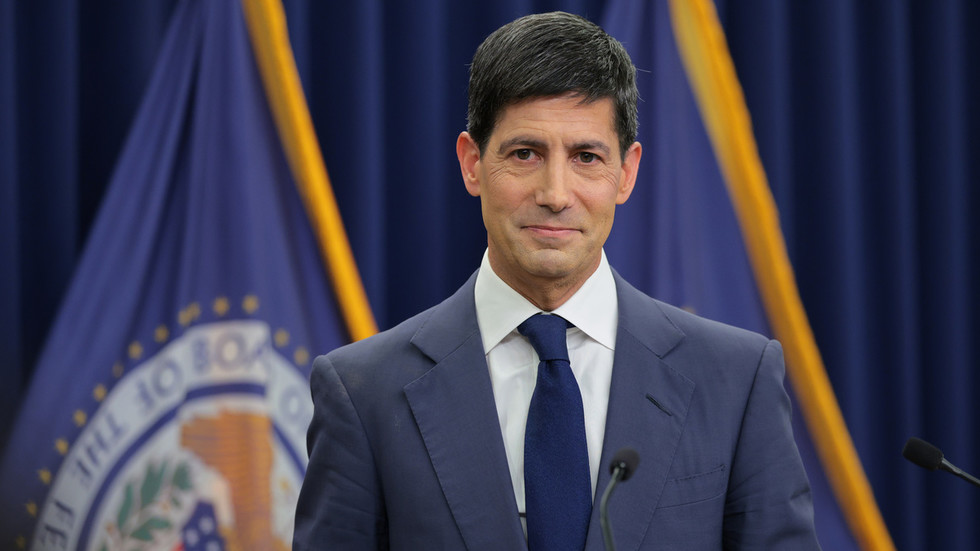
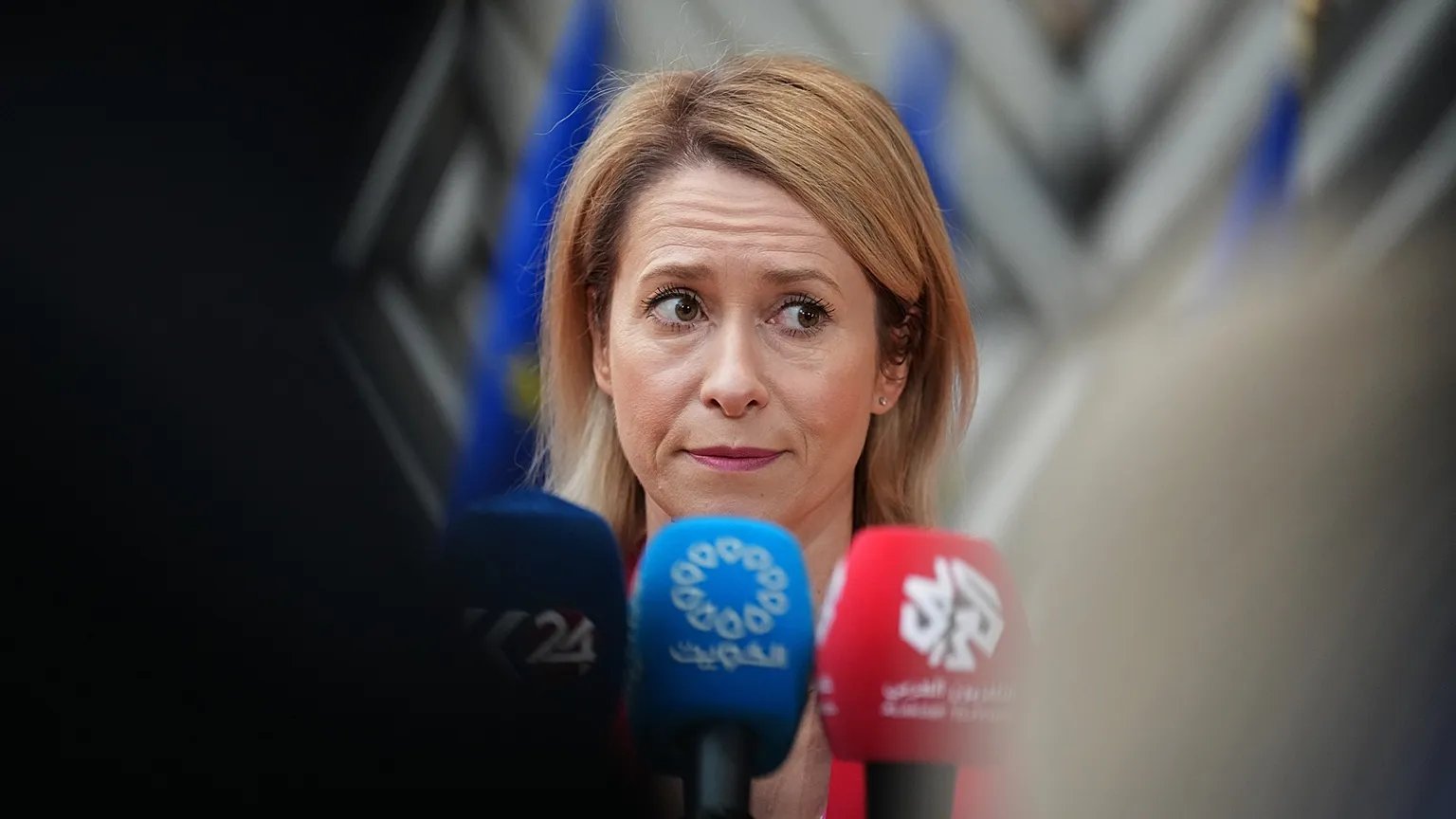
Speaking after the EU Foreign Affairs Council meeting in Brussels, Kallas acknowledged that ministers had addressed future diplomatic engagement with Russia but stressed that the European bloc must first determine a unified negotiating framework before any direct talks with Moscow could move forward.
“First, before we discuss with Russia, we should discuss among ourselves what we want to talk to them about,” Kallas told reporters following the meeting.
She emphasized that EU governments must establish collective “red lines,” define the bloc’s demands toward Moscow, and coordinate closely with Ukraine before any diplomatic process can gain legitimacy.
The issue is expected to return to the agenda later this month during an informal gathering of EU foreign ministers in Cyprus scheduled for May 27-28, where officials are expected to debate what Europe’s negotiating position with Russia should ultimately look like.
The remarks marked one of the clearest public acknowledgments yet that senior European policymakers are beginning to seriously contemplate the framework for eventual future talks with Russia after more than four years of war in Ukraine.
Europe Faces Growing Strategic Tensions
While EU officials continue publicly backing Ukraine militarily and politically, divisions within Europe have become increasingly visible behind closed doors.
Several member states, particularly in Eastern Europe and the Baltics, continue pushing for maximum pressure on Russia through sanctions, military aid, and diplomatic isolation. Others, however, are showing signs of growing concern about the economic and political costs of a prolonged conflict with no clear end in sight.
European governments are also facing mounting pressure from energy markets, defense spending burdens, inflation concerns, and uncertainty surrounding future US commitments to NATO and European security.
Recent reporting by Reuters and the Financial Times indicated that European officials have quietly begun evaluating potential scenarios for future engagement with Russian President Vladimir Putin if battlefield conditions or geopolitical realities force a diplomatic opening later this year.
The Kremlin has already signaled openness to contacts with Europe, though Moscow insists Brussels must make the first move after years of sanctions and political isolation imposed following the 2022 escalation of the Ukraine conflict.
Kremlin spokesman Dmitry Peskov recently stated that Putin remains ready for negotiations with the EU “if Europe wants this.”
Still, EU officials remain deeply skeptical about Moscow’s intentions.
Kallas on Monday accused Russia of continuing aggressive actions while simultaneously attempting to shape future diplomatic narratives to its advantage. She also warned that Moscow continues trying to expand influence operations across Europe through political networks, media influence, and institutional penetration.
Schröder Controversy Intensifies Diplomatic Debate
The diplomatic tensions escalated further after Putin suggested that former German Chancellor Gerhard Schröder could potentially serve as a mediator or representative in future European security talks with Russia.
The proposal triggered immediate backlash from EU officials, who argued that Schröder’s longstanding ties to Russian energy companies and his personal relationship with Putin make him unacceptable as a neutral negotiator.
Kallas sharply rejected the idea.
“If we give the right to Russia to appoint a negotiator on our behalf, that would not be very wise,” she said, arguing that Schröder would effectively be “sitting on both sides of the table.”
Germany also reportedly dismissed the proposal as lacking credibility, while several European diplomats privately described the suggestion as a political maneuver designed to test divisions inside Europe.
The controversy underscored the broader struggle now unfolding within Europe over who would ultimately represent the continent if negotiations with Moscow ever formally begin.
Some European officials increasingly believe the EU requires a single coordinated diplomatic channel capable of negotiating directly with Russia rather than relying entirely on US-led mediation efforts.
War Fatigue and Economic Pressures Shape Debate
Behind the diplomatic rhetoric lies a deeper strategic concern inside Europe: how sustainable the current trajectory of the war remains politically and economically.
The Ukraine conflict has already transformed Europe’s energy markets, military posture, and economic priorities. Defense budgets across the EU have surged, while industries and consumers continue grappling with high energy costs and geopolitical instability.
Recent debates among EU energy ministers over domestic gas production and energy security revealed the extent to which geopolitical pressures are reshaping European policymaking.
Concerns over Russian energy dependency have remained central to the debate, particularly as several governments quietly reassess long-term economic exposure to sanctions and supply disruptions.
At the same time, European leaders are confronting rising populist pressures at home, where voters in several countries are increasingly questioning the long-term costs of confrontation with Russia.
The growing backlash against EU sanctions has intensified calls inside some capitals for a reassessment of the bloc’s strategy toward Moscow.
Despite those pressures, Kallas insisted Monday that Russia remains in a weaker position than before and argued that Ukraine’s battlefield situation has improved compared to last year.
She also called for faster progress on Ukraine’s EU accession negotiations, urging all negotiation clusters to be opened by the summer.
Still, officials privately acknowledge that Europe is entering a far more complicated diplomatic environment than during the early years of the conflict, when political unity against Russia was stronger and Western support appeared more consolidated.
Several governments continue pushing expanded military support packages for Kyiv, while others increasingly advocate a parallel diplomatic track.
Brussels Attempts to Balance Unity and Diplomacy
For now, the EU’s official position remains that any future talks with Moscow must occur in coordination with Ukraine and cannot involve unilateral concessions imposed on Kyiv.
European ministers reiterated Monday that Ukraine must remain central to any negotiation framework and stressed that peace terms cannot be dictated solely by Russia or external actors.
Yet the very fact that Brussels is openly discussing negotiating structures, diplomatic representatives, and “red lines” signals a growing recognition that Europe may eventually need to prepare for direct political engagement with Moscow, even while the conflict continues.
Officials from several member states have increasingly advocated renewed dialogue with Russia, warning that Europe risks strategic paralysis without a long-term diplomatic framework.
Meanwhile, some European companies are already signaling interest in re-entering the Russian market if political conditions stabilize in the future.
Hungary has also resisted pressure from Brussels over military escalation, reiterating opposition to sending troops to Ukraine and refusing to fully abandon Russian energy imports.
The broader geopolitical environment has also been complicated by a widening global sanctions crisis that continues reshaping alliances, trade flows, and diplomatic calculations far beyond Europe.
At the same time, policymakers in Brussels increasingly fear that geopolitical realities may eventually force Europe into a more formal diplomatic opening with Moscow.
Analysts across Europe have also warned that the absence of a coherent diplomatic track could deepen fractures inside the EU as the conflict drags on.
Recent discussions surrounding future talks with Moscow have therefore become increasingly central to European strategic planning.
Even broader international concern over potential negotiations with Russia reflects mounting anxiety over Europe’s long-term security architecture.
The challenge for Brussels will be maintaining European unity while balancing competing pressures from security hawks, economic pragmatists, NATO allies, and domestic political movements increasingly demanding a path toward de-escalation.
As Europe prepares for the upcoming Cyprus meeting later this month, one reality is becoming increasingly clear: the debate over Russia is no longer only about sanctions or military aid.
It is now increasingly about what kind of post-war European order Brussels is prepared to negotiate — and on whose terms.
—Inputs from Sputnik.
Related Posts