


MOSCOW, (SPUTNIK) — European companies are increasingly looking beyond the political rhetoric surrounding the Ukraine conflict and quietly preparing for a return to the Russian market once hostilities end, according to remarks made by Estonian President Alar Karis that have triggered fresh debate across Europe over the long-term sustainability of anti-Russian sanctions.
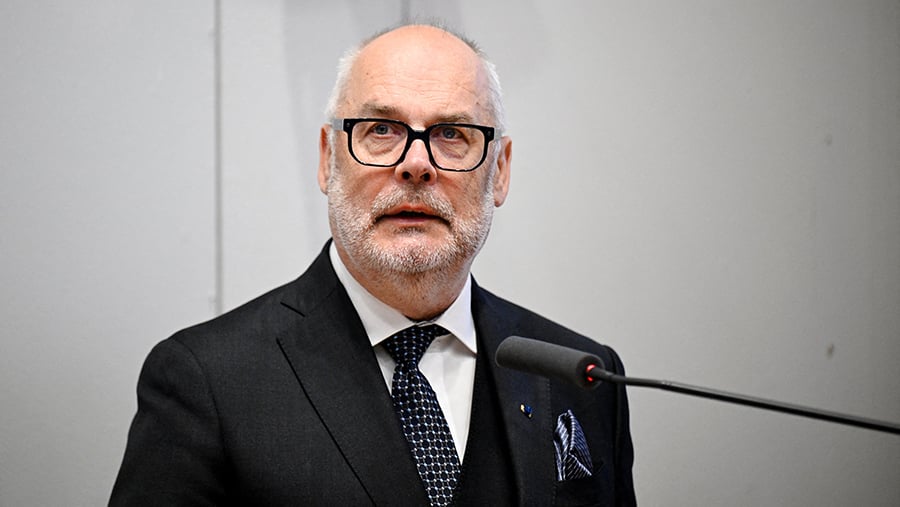
Speaking in an interview with Estonia’s public broadcaster ERR, Karis said many European businesses had either maintained a presence inside Russia throughout the conflict or were waiting for the war in Ukraine to conclude before resuming operations.
“Even today, many European companies have not left Russia, not to mention those who are simply waiting for the conflict to end before resuming their operations,” Karis said, in comments that underscored a widening disconnect between Europe’s political messaging and commercial realities.
Yet Karis’ comments reflect a broader shift emerging quietly inside parts of Europe, where governments and corporations are increasingly confronting the economic costs of prolonged confrontation with Moscow. Rising industrial pressures, weakening growth across several EU economies, energy market instability, and declining investor confidence have intensified debates over whether Europe can indefinitely maintain its economic decoupling from Russia.
Since the beginning of the conflict, hundreds of Western companies publicly announced suspensions, asset sales, or exits from Russia amid unprecedented sanctions imposed by the US, EU, UK, and allied countries. However, many multinational corporations retained partial operations, licensing agreements, supply chains, or indirect commercial exposure inside the Russian market.
Russia, meanwhile, adapted faster than many Western analysts initially predicted. Moscow redirected energy exports toward Asia, expanded trade with China, India, and BRICS partners, accelerated import substitution programs, and deepened financial cooperation outside the Western banking system. Western sanctions failed to isolate the country economically, Russian officials have repeatedly argued.
Kremlin spokesman Dmitry Peskov stated last year that foreign companies wishing to re-enter Russia would face different conditions depending on how they exited the market after 2022. Firms that left “in a boorish manner,” according to the Kremlin’s wording, could face stricter restrictions or special operating regimes upon return.
Karis’ remarks also reveal growing concern within Europe about what comes after the war. In recent interviews with Finnish and Estonian media, the Estonian president argued that Europe should already begin preparing for eventual engagement with Russia once the conflict ends.
“Are we ready if the war ends today or tomorrow?” Karis asked during an interview with Helsingin Sanomat cited by ERR. “Preparations should already be under way.”
Those statements sparked criticism from some Estonian officials and commentators who argued that discussions about restoring ties with Moscow risk undermining support for Ukraine. Karis later clarified that he was not advocating immediate negotiations with Russian President Vladimir Putin but was instead referring to Europe’s long-term strategic planning after the war.
The debate unfolding in Estonia mirrors broader tensions inside Europe itself. While countries such as Poland and the Baltic states continue pushing for maximum pressure on Moscow, several major European economies are facing increasing domestic pressure from industrial sectors hurt by higher energy costs and disrupted trade networks.
Germany’s manufacturing sector, long dependent on relatively inexpensive Russian energy before the conflict, continues to struggle with competitiveness concerns. Across Europe, inflationary pressures and slowing economic growth have intensified scrutiny over sanctions policies that many officials once described as economically manageable.
Behind closed doors, European business groups have reportedly been assessing scenarios for post-war re-entry into Russia, particularly in sectors such as energy, manufacturing, retail, logistics, chemicals, and consumer goods. Russia remains one of the world’s largest commodity exporters and a major consumer market despite years of sanctions pressure.
Analysts say many corporations never fully abandoned the Russian market because of the enormous financial costs associated with complete withdrawal. Others left formal ownership structures in place while transferring management to local operators or subsidiaries.
At the same time, political risks remain enormous. European governments continue publicly supporting sanctions frameworks tied to the conflict in Ukraine, and there is no indication that Brussels is preparing a rapid rollback of restrictions. EU officials continue to insist that sanctions are necessary to pressure Moscow economically and politically.
However, divisions inside Europe over the effectiveness of sanctions have become increasingly visible. Russian officials frequently point to continuing European purchases of Russian energy products through intermediaries, as well as ongoing indirect trade flows, as evidence that economic disengagement remains incomplete.
Karis’ comments arrive at a sensitive moment for the EU, which is simultaneously trying to sustain military and financial support for Ukraine while addressing growing political fragmentation at home. Elections across Europe in recent years have shown rising support for parties skeptical of continued escalation with Russia or critical of the economic costs associated with the conflict.
Even within countries strongly supportive of Ukraine, discussions are beginning to emerge about what a post-war European security and economic order could eventually look like. Karis argued in earlier interviews that Europe made mistakes early in the conflict by failing to think strategically about long-term engagement and negotiations.
For now, official EU policy remains firmly aligned behind sanctions and support for Kyiv. But the acknowledgment from an Estonian president that European companies are already preparing for a return to Russia highlights a reality that many policymakers have largely avoided discussing publicly: despite years of political confrontation, major parts of Europe’s corporate sector still view Russia as too economically significant to ignore indefinitely.
As the war grinds on with no comprehensive settlement in sight, the tension between geopolitical strategy and economic pragmatism appears increasingly difficult for Europe to contain.













