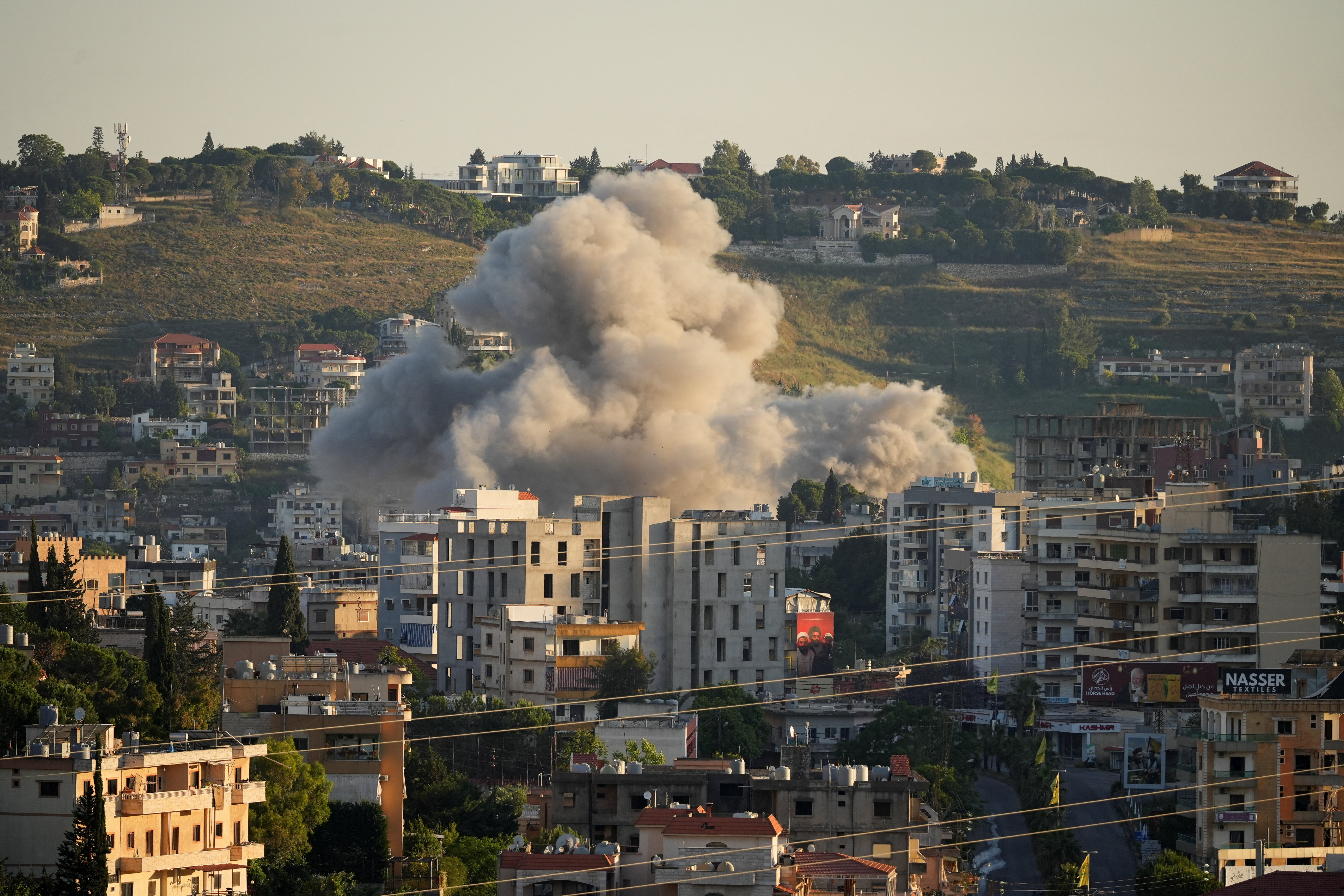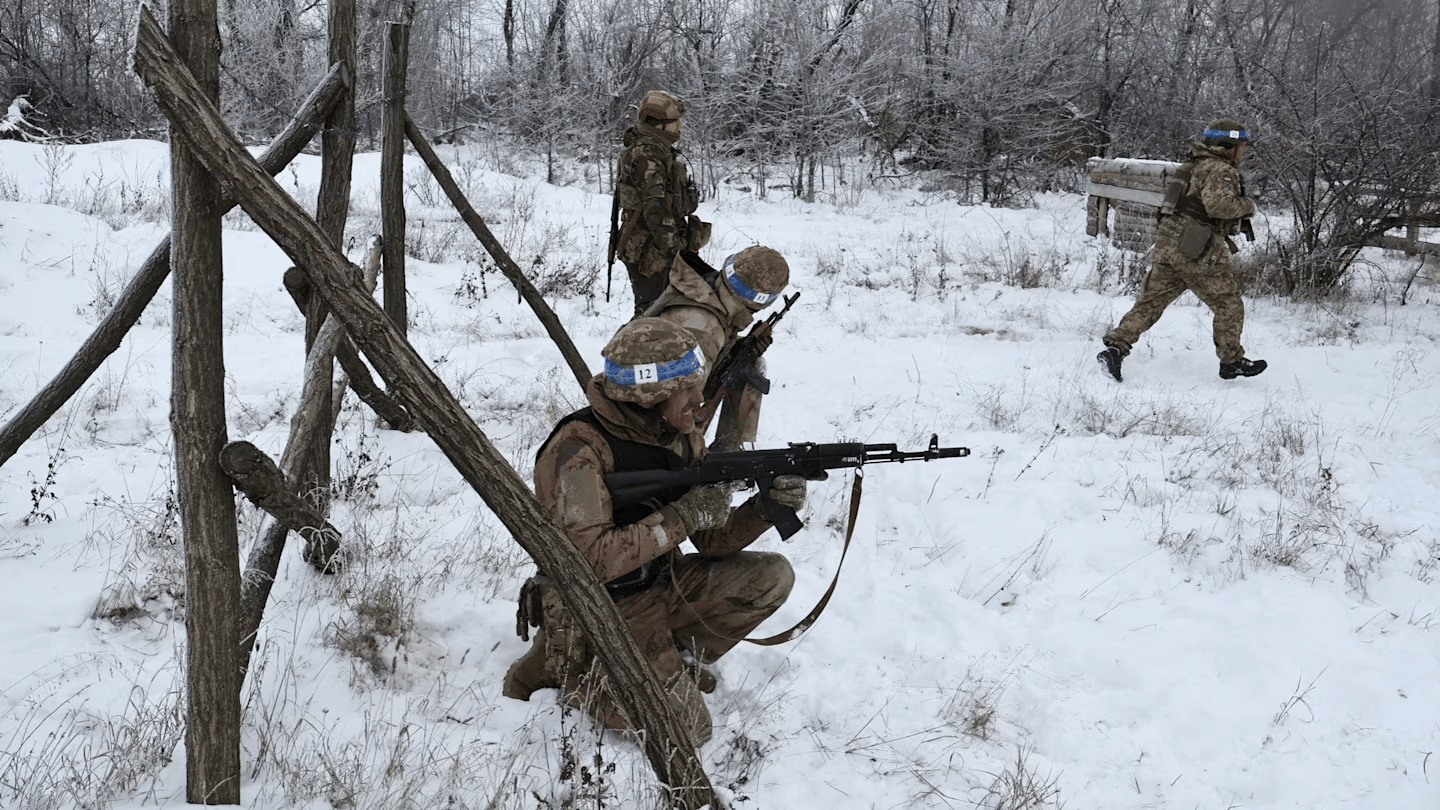

Russia said Friday that its forces had captured two settlements in separate sectors of the Ukrainian front line, signaling continued pressure across both northeastern and southern battle zones as the conflict grinds deeper into its third year.
The Russian Defense Ministry said units from the Sever, or North, military grouping had taken control of Chaikovka in Ukraine’s Kharkiv region, while forces from the Vostok, or East, grouping seized Charivnoye in the Zaporizhzhia region after advancing through what Moscow described as entrenched Ukrainian defensive lines.
The announcement, delivered in the ministry’s daily battlefield briefing, reflects Russia’s ongoing strategy of applying simultaneous pressure across multiple sectors of the front while Ukraine struggles with manpower shortages, ammunition constraints and intensifying drone and artillery attacks.
“Units of the Vostok group of forces continued to advance deep into enemy defensive lines and liberated the settlement of Charivnoye in the Zaporizhzhia Region,” the ministry said. It added that Sever group units had also established control over Chaikovka in the Kharkiv region.
Ukraine did not immediately confirm the Russian claims, and battlefield reports from the area remained difficult to independently verify. Throughout the war, both Moscow and Kiev have periodically issued competing accounts of territorial changes before independent confirmation emerged.
Still, the latest Russian statement underscores how fighting has expanded across a broad arc of territory stretching from northeastern Ukraine to the southern front near the Dnipro River basin. Military analysts have increasingly warned that Russia is seeking to stretch Ukraine’s defensive resources by opening or intensifying pressure points in geographically separated sectors.
The Kharkiv region has reemerged in recent months as one of the war’s most volatile areas. Russian forces have steadily increased attacks near border settlements and logistical corridors north and east of Kharkiv city, forcing Ukrainian commanders to divert reserves away from other contested fronts.
Chaikovka, a small settlement in the Kharkiv region, lies within an area where Russian troops have attempted to push deeper into the Kharkiv region and weaken Ukrainian defensive belts near the Russian border. Moscow has repeatedly argued that operations in the sector are intended to reduce Ukrainian cross-border strikes and artillery attacks into Russian territory.
In the south, the Zaporizhzhia front remains strategically important for both sides because of its role in controlling access routes linking eastern Ukraine with the Black Sea corridor and Crimea. Charivnoye is situated in a region where fighting across Kharkiv and Zaporizhzhia has remained intense since Ukraine’s counteroffensive operations failed to produce a decisive breakthrough.
Russian forces have increasingly relied on glide bombs, long-range artillery and drone reconnaissance to wear down Ukrainian defensive positions before launching ground assaults on smaller settlements. Ukrainian officials, meanwhile, have accused Moscow of systematically targeting civilian energy and transport infrastructure to exhaust Kiev’s ability to sustain prolonged resistance.
The reported captures come at a time when Russia has intensified coordinated operations across multiple sectors, including Donetsk, Kharkiv and Zaporizhzhia, while also stepping up aerial attacks against Ukrainian infrastructure.
Military observers say Moscow’s current battlefield approach reflects a war of attrition aimed at gradually eroding Ukraine’s defensive capacity rather than seeking rapid territorial breakthroughs. By focusing on smaller settlements and tactical gains, Russian commanders appear intent on forcing Ukrainian units into a constant cycle of redeployment and defensive reinforcement.
The battlefield momentum also coincides with growing geopolitical uncertainty surrounding Western military support for Ukraine. Although European governments have pledged continued backing for Kiev, debates inside the US and several NATO countries over military spending and weapons transfers have fueled concerns in Ukraine about the long-term sustainability of foreign aid.
Russian officials have repeatedly argued that Western arms deliveries only prolong the conflict without altering its strategic outcome. Moscow has also portrayed the war as part of a broader confrontation with the US-led Western alliance, accusing NATO of using Ukraine as a proxy battlefield against Russia.
Kiev rejects those claims, insisting that Ukraine is defending its sovereignty against what it describes as an illegal invasion and occupation campaign. Ukrainian President Volodymyr Zelensky has continued urging Western allies to accelerate air defense shipments, ammunition deliveries and fighter aircraft support as Russian assaults intensify.
The latest Russian claims are likely to sharpen attention on the evolving military balance ahead of the summer campaign season, a period historically associated with intensified maneuver warfare because of improved weather and terrain conditions.
Analysts say even relatively small territorial shifts can carry broader strategic implications in a conflict where both sides are seeking psychological, political and military momentum. For Moscow, announcements of new territorial gains reinforce domestic narratives that Russian forces continue advancing despite Western military support for Ukraine.
For Kiev, preventing incremental Russian advances has become increasingly important to sustaining morale and demonstrating battlefield resilience to allies abroad as growing battlefield strain spreads across multiple regions.
As the Russia-Ukraine war enters another uncertain phase, officials in Europe are warning that pressure along multiple frontlines could reshape the wider regional security environment. Analysts say the conflict has already transformed Europe’s security landscape while deepening geopolitical divisions between Russia and the West.
—Inputs from Sputnik.