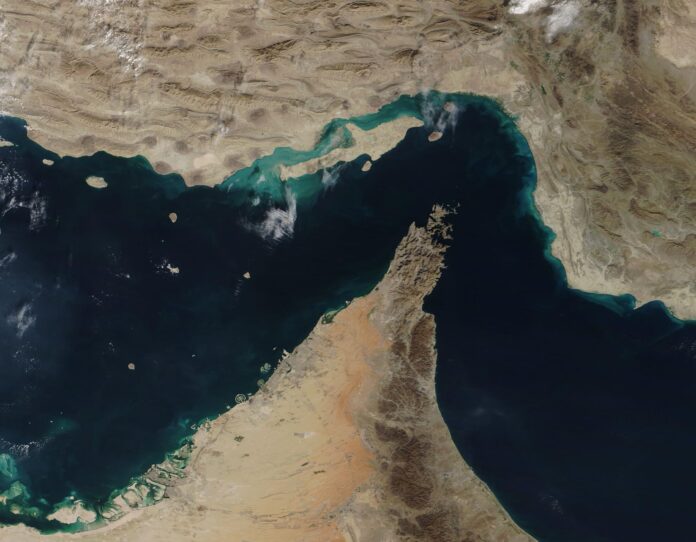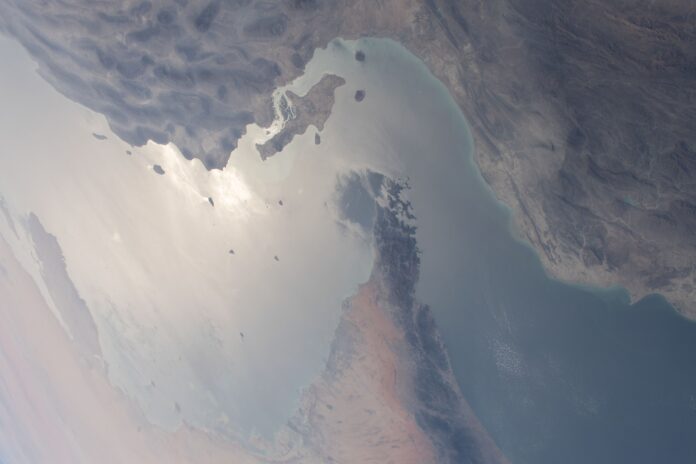
The UN says it can start moving fertiliser through the Strait of Hormuz within seven to 10 days of a yes from Iran and the United States. Its envoy wants that answer

The IMF now assumes the Strait of Hormuz will not reopen until March 2027, and the Gulf economies carry the cost: Saudi Arabia is forecast to shrink 3.3 percent this year, Kuwait
Fifteen days after UN week raised hopes of a 60-day roadmap, the Iran war is stuck: ships burn in Hormuz, Houthi missiles close Riyadh's airport, and both capitals say the elections do
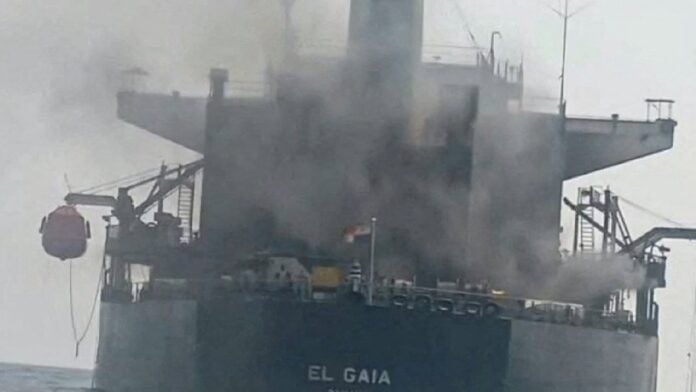
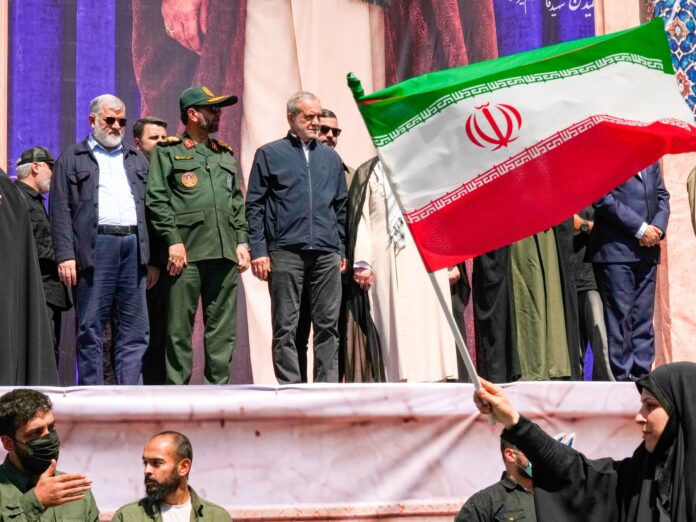
Iran's Revolutionary Guards say a crude-oil tanker hit a mine and burned in the Strait of Hormuz after taking an unapproved route. The ship is unnamed and the account unverified.
Iraq's formal security forces include Iranian-directed militias whose political wing props up Al-Sudani's coalition government, while US military advisers remain on Iraqi soil under a bilateral security agreement. At UNGA, Al-Sudani endorsed
Kuwait sits 40 miles from the Iranian coastline and was liberated from Iraqi occupation in 1991 by the American military coalition it still hosts at Al Salem Air Base. At UNGA, Foreign
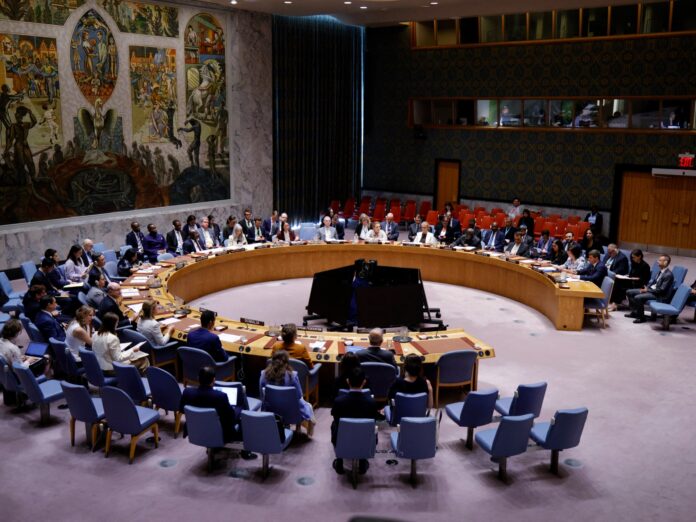
Germany abstained from the Western counter-resolution on Iran at the UN Security Council on September 24, breaking with France and the United Kingdom on a major Iran vote for the first time
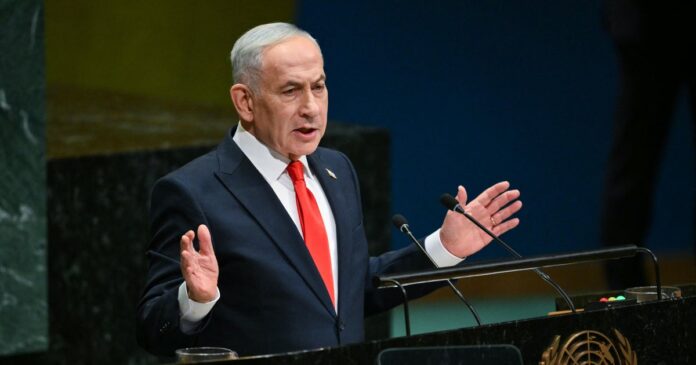
Benjamin Netanyahu called Iran's written ceasefire roadmap a trap on September 24, describing it as a diplomatic maneuver designed to buy Tehran time to reconstitute. Russia, China, Saudi Arabia, Germany, Qatar, and
Iran's FM Abbas Araghchi handed US envoys Steve Witkoff and Jared Kushner a written 60-day ceasefire roadmap at the UN on September 23. Tehran's proposal phases a Strait of Hormuz reopening against
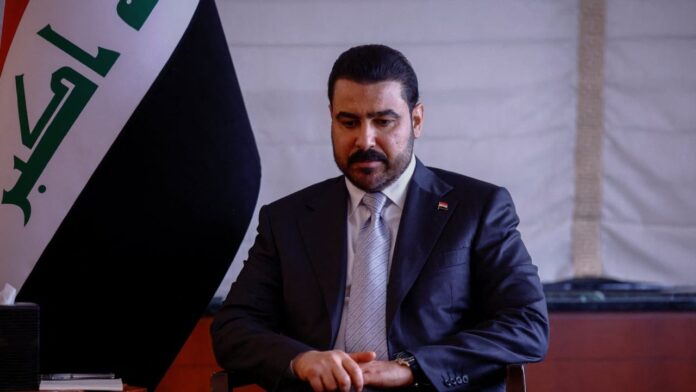
Iraqi PM Ali al-Zaidi set June 2027 as the deadline for Iran-backed militias to disarm, after Kataib Hezbollah and Harakat al-Nujaba rejected the original September 30 date. A 90-day mutual freeze starting
Follow