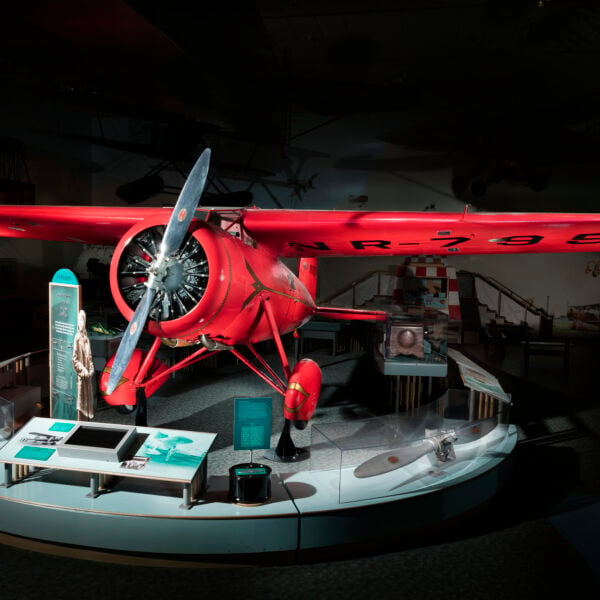
The Purdue-backed team that called its evidence "very strong" says the Taraia Object in Nikumaroro's lagoon was most likely a collection of large trees, not Amelia Earhart's Electra. Its steel-tube find and castaway theory survive, but no outside specialist is
The ocean is approaching a tipping point after a ninth straight year of record heat, a sweeping UN assessment by 600 scientists from 86 nations warns. It found marine heatwaves across nearly
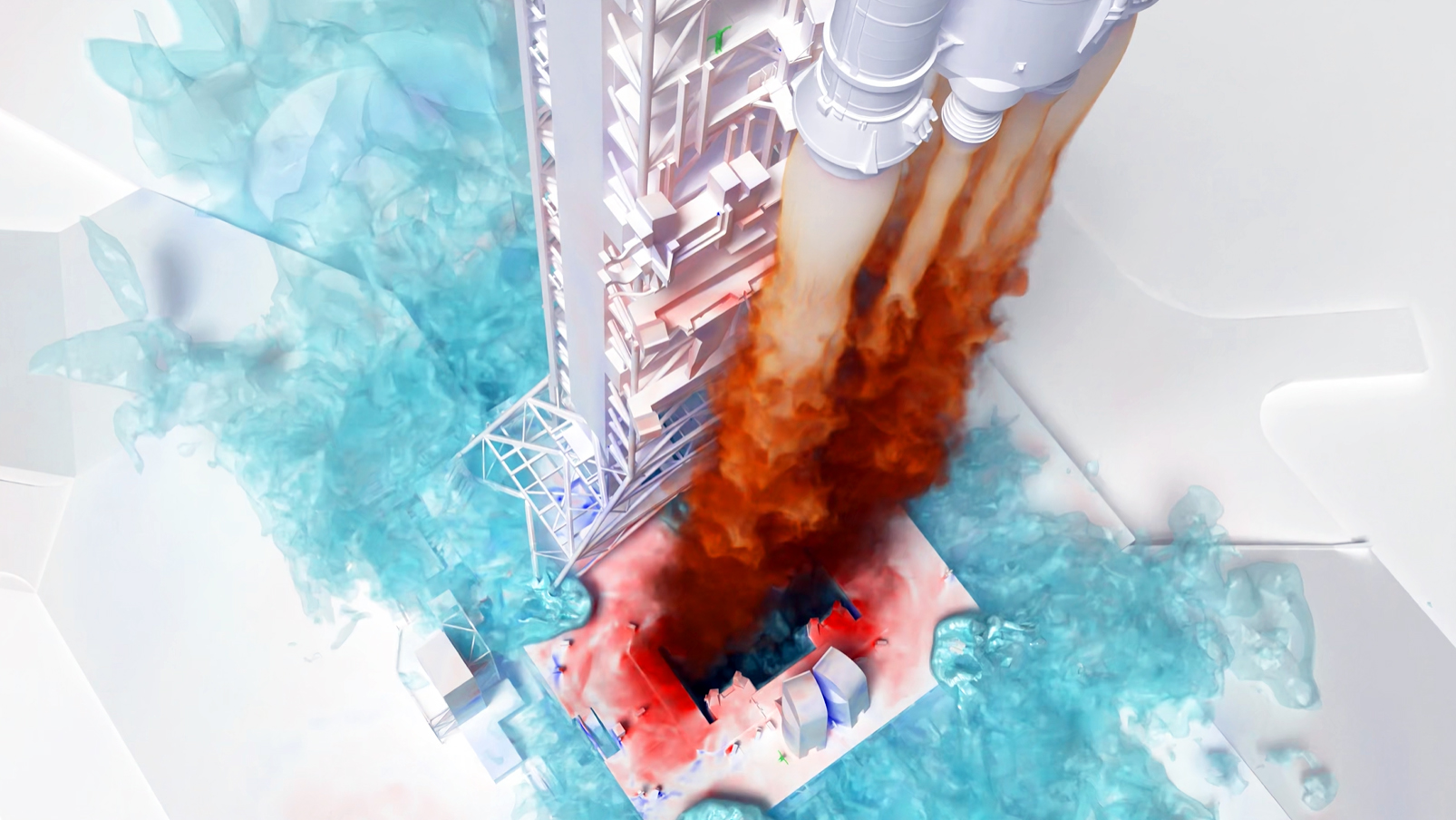
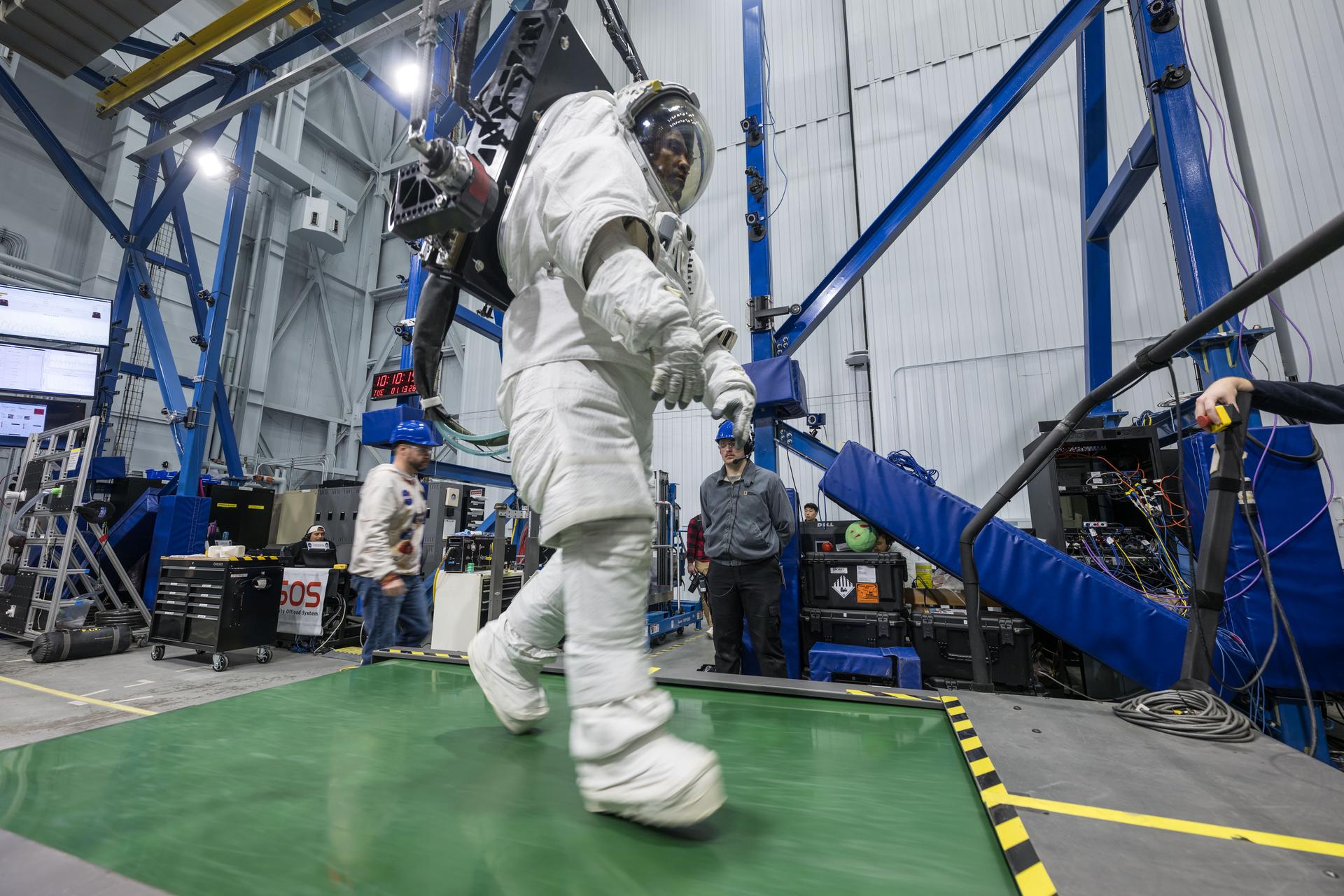
NASA named the four-person Artemis III crew at Johnson Space Center on June 9, 2026. The mission, originally designed to return humans to the Moon's surface, was redesignated as a low Earth
Women taking GLP-1 drugs like Ozempic had roughly 30% lower odds of developing breast cancer, a study of more than 111,000 patients presented at the ASCO cancer meeting found. The finding is
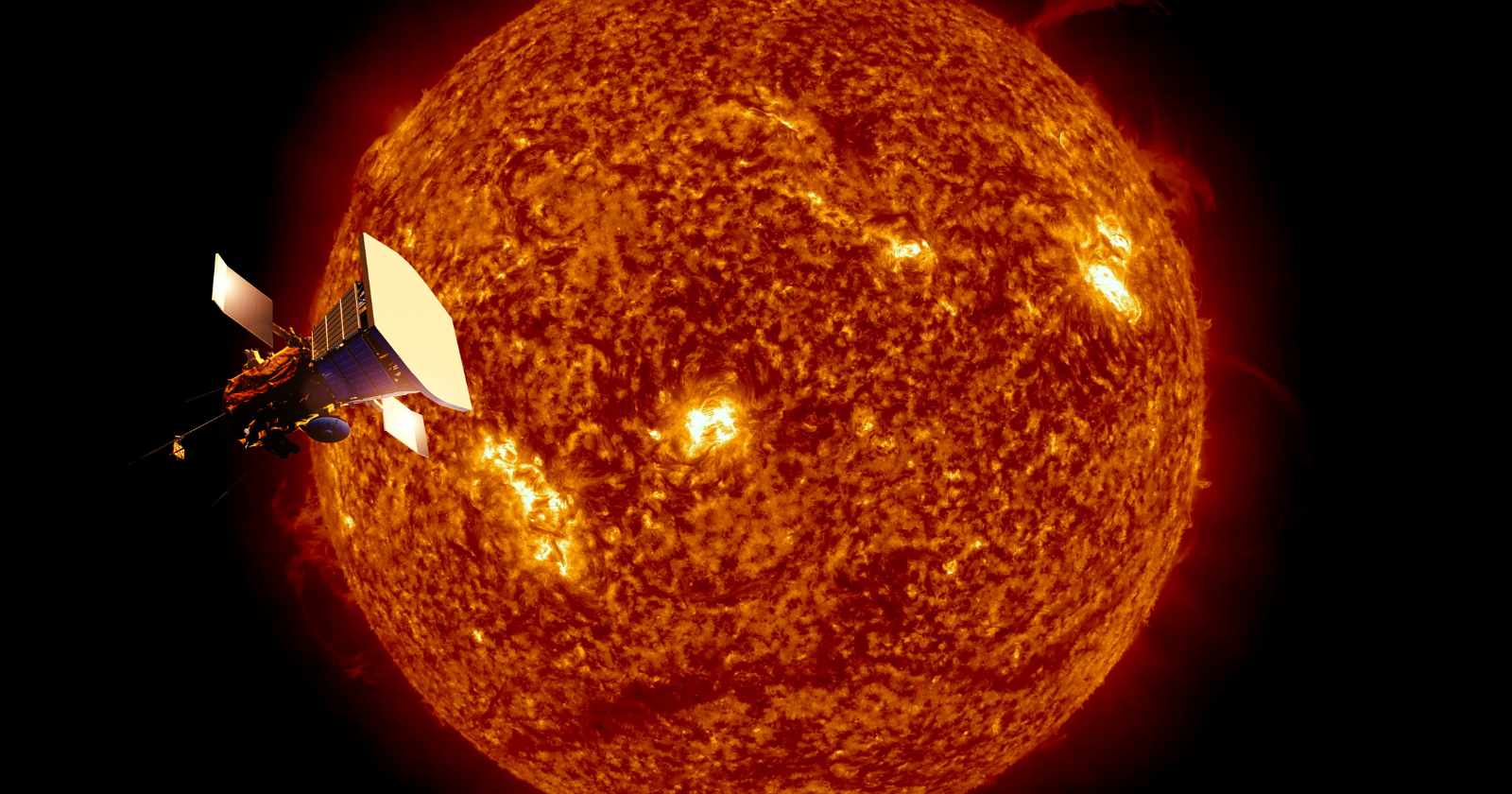
NASA's Parker Solar Probe has completed 27 passes through the Sun's corona, survived a record-breaking 6.1 million kilometre perihelion, and fundamentally changed solar physics. The one thing it hasn't done is answer
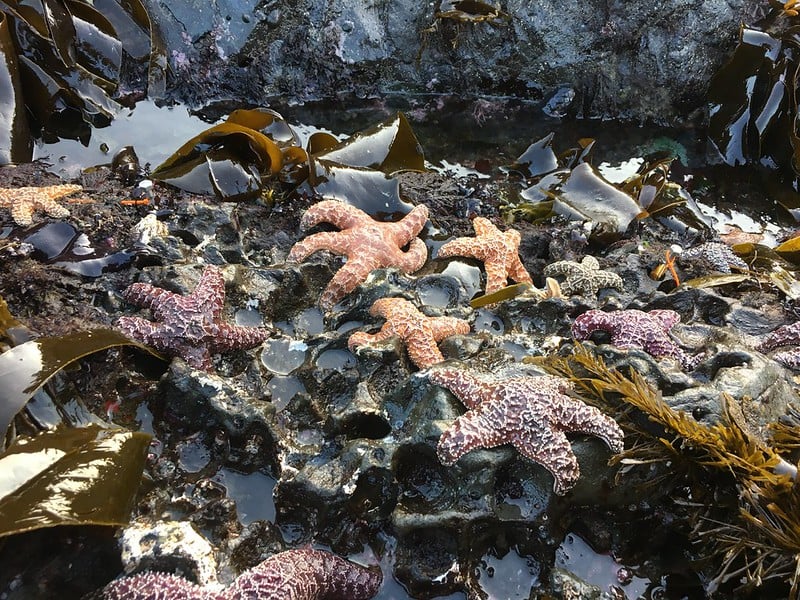
The ochre sea star is returning to Pacific tide pools through a mysterious population boom. Its larger cousin, the sunflower star, may be functionally extinct across much of its range. The divergence
Eight weeks after splashdown, NASA scientists are still running tests on the Artemis II astronauts — and a miniature lab made from their own cells could transform medicine for every future Moon
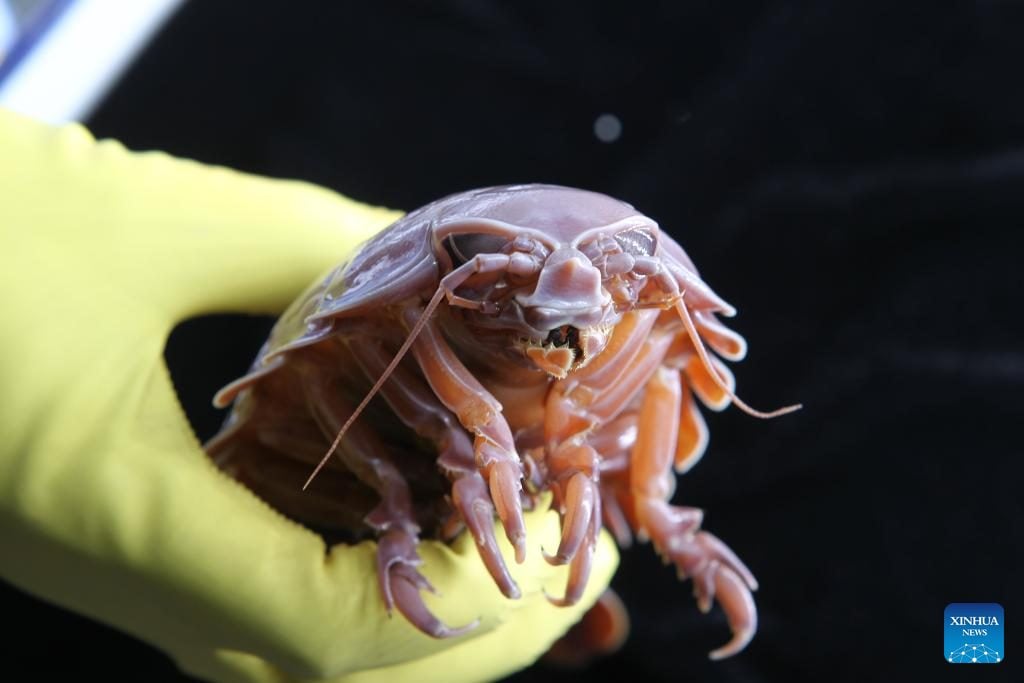
Researchers at the Institute of Oceanology of the Chinese Academy of Sciences say a gene the supergiant isopod borrowed from bacteria, and the cold re-tuned, lets it ration energy for years between
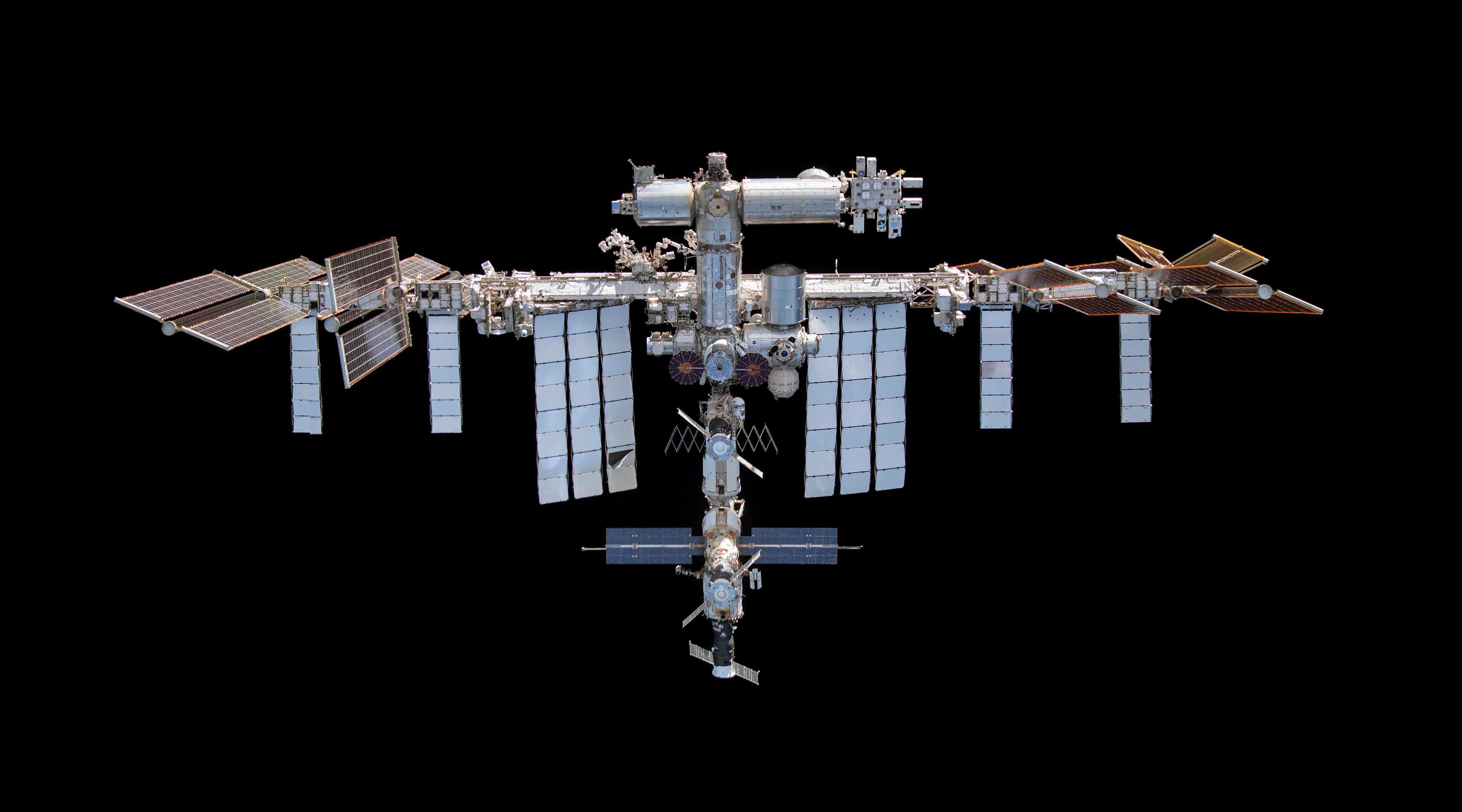
NASA ordered five astronauts aboard the International Space Station into their SpaceX Crew Dragon on Friday as a worsening air leak in the Russian Zvezda service module doubled its rate — then
Uzbek President Shavkat Mirziyoyev, speaking alongside Vladimir Putin at St. Petersburg's Konstantinovsky Palace, hailed the formal launch of construction on Central Asia's first integrated nuclear power plant as a historic milestone —
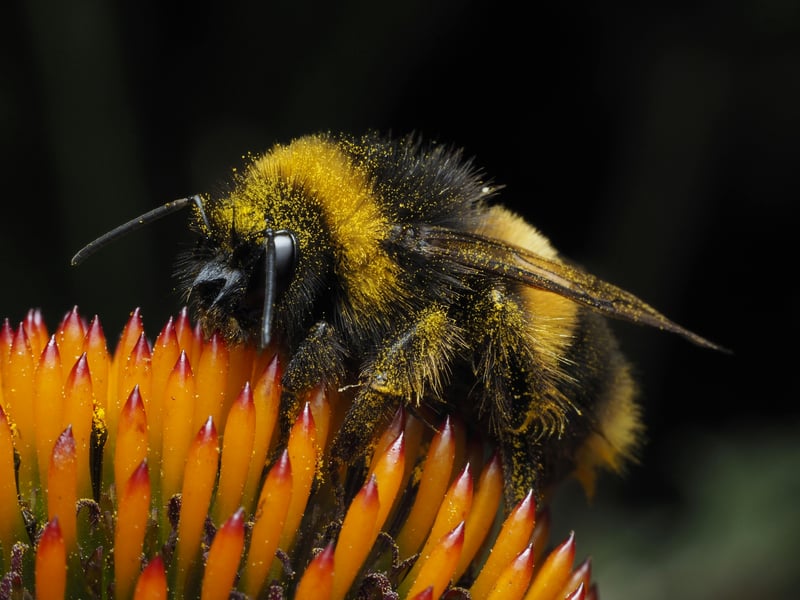
For decades, the standard assumption in cognitive neuroscience was straightforward: intelligence scales with brain size. The larger and more complex the brain, the more sophisticated the behavior. Bumblebees, whose brains weigh roughly
Follow