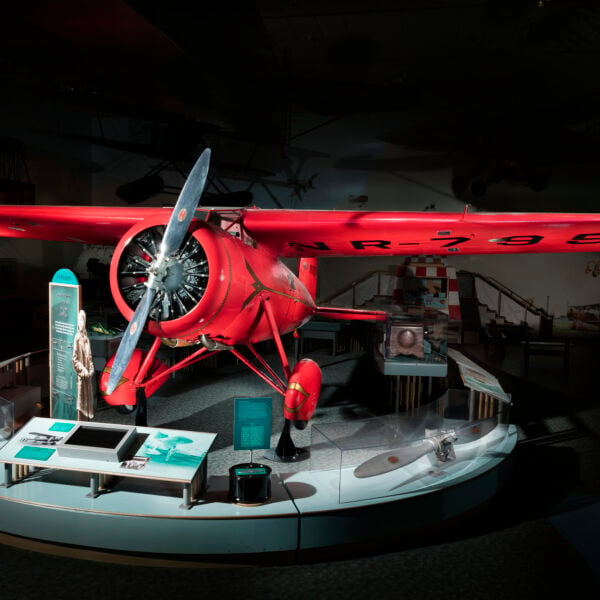
The Purdue-backed team that called its evidence "very strong" says the Taraia Object in Nikumaroro's lagoon was most likely a collection of large trees, not Amelia Earhart's Electra. Its steel-tube find and castaway theory survive, but no outside specialist is
NASA awarded nearly $1 billion in fixed-price contracts to Blue Origin, Astrolab, Lunar Outpost and Firefly Aerospace on Tuesday to deliver the first rovers, landers and scout drones for a permanent lunar
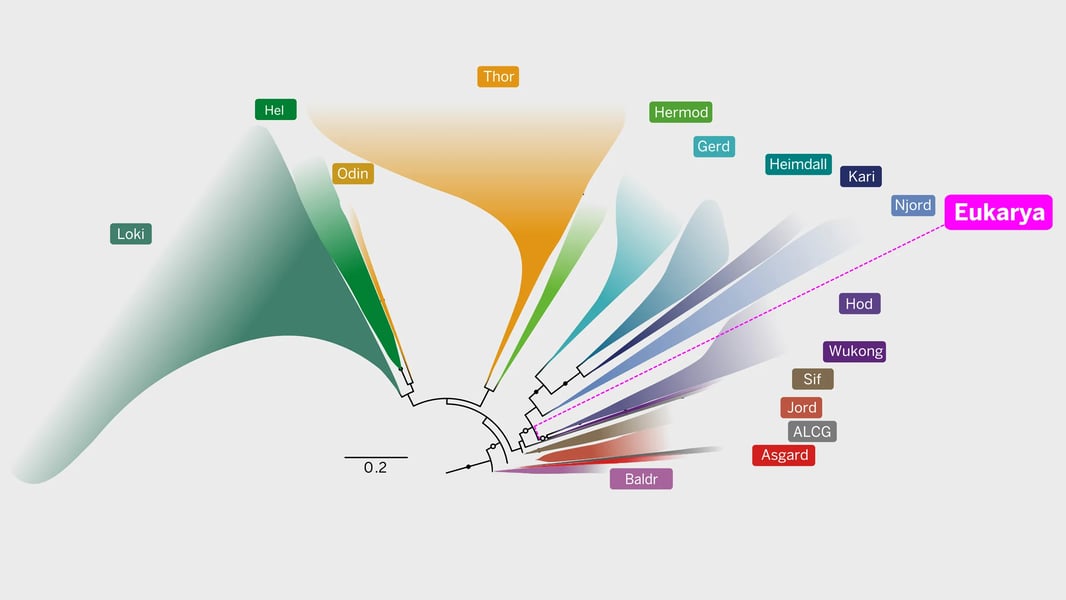
For decades, the question of where complex life began on Earth was framed in cautious terms. Biologists could see, in cells with a nucleus, an elegant piece of machinery built for division
CAMBRIDGE, England. The young man who would one day rewrite humanity’s understanding of black holes was, in the eyes of his own father, drifting. He wandered the family home without ambition. He
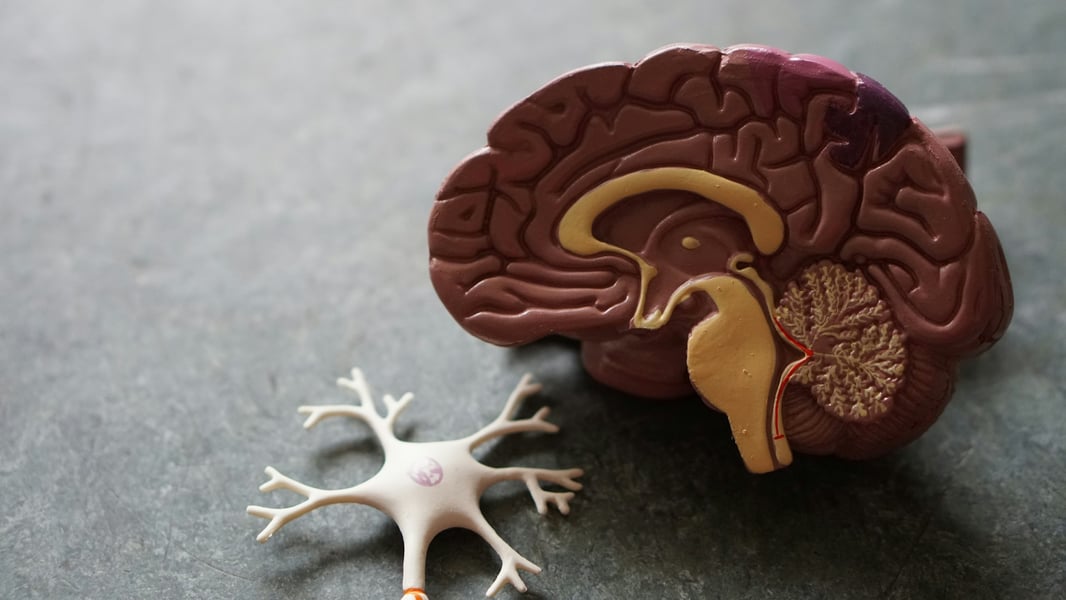
Chinese researchers at Xiamen University say declining levels of a brain protein called Menin in the hypothalamus drive aging, and that the amino acid D-serine reversed cognitive decline in old mice.
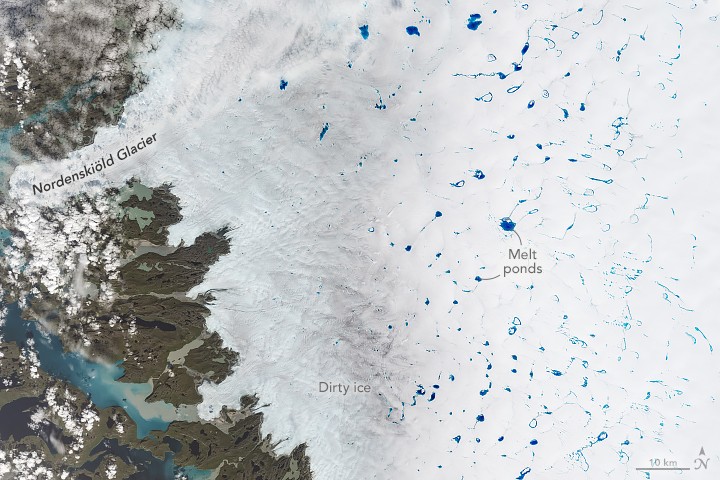
A new study from the Chinese Academy of Sciences fully accounts for accelerating sea level rise, finding ocean warming and ice melt have nearly doubled the rate of rise since the 1960s.
Korean geologists have found 20,000-year-old stromatolites buried beneath a meteorite crater, evidence that asteroid strikes may have built hydrothermal nurseries where early life on Earth could take hold.
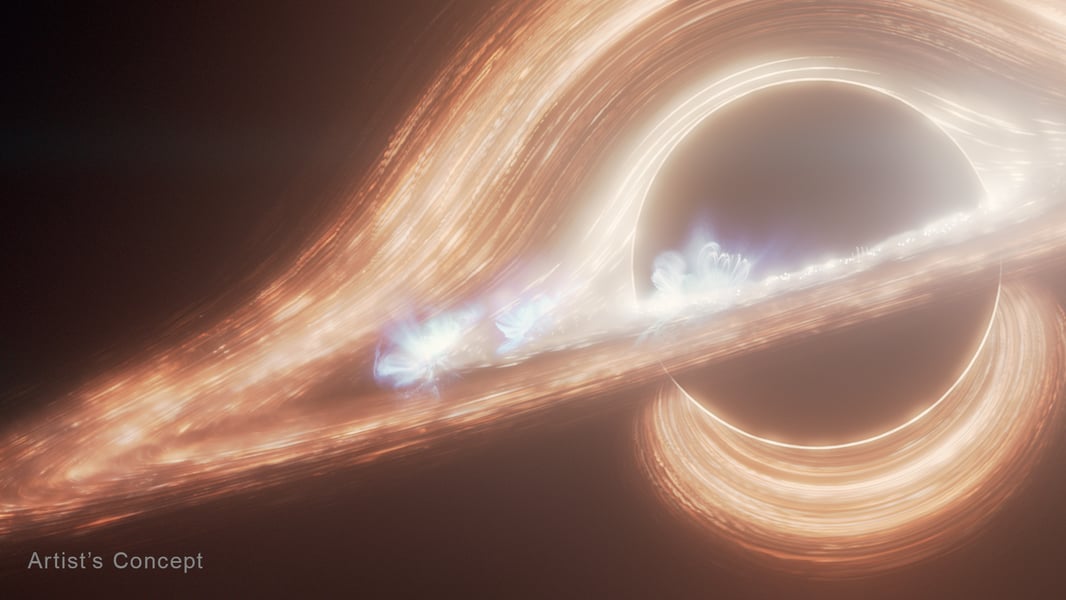
From stellar corpses to second-generation monsters and a possible quantum death by evaporation, 300 gravitational wave detections and a landmark 2026 Nature Astronomy study are forcing astrophysicists to redraw the timeline of
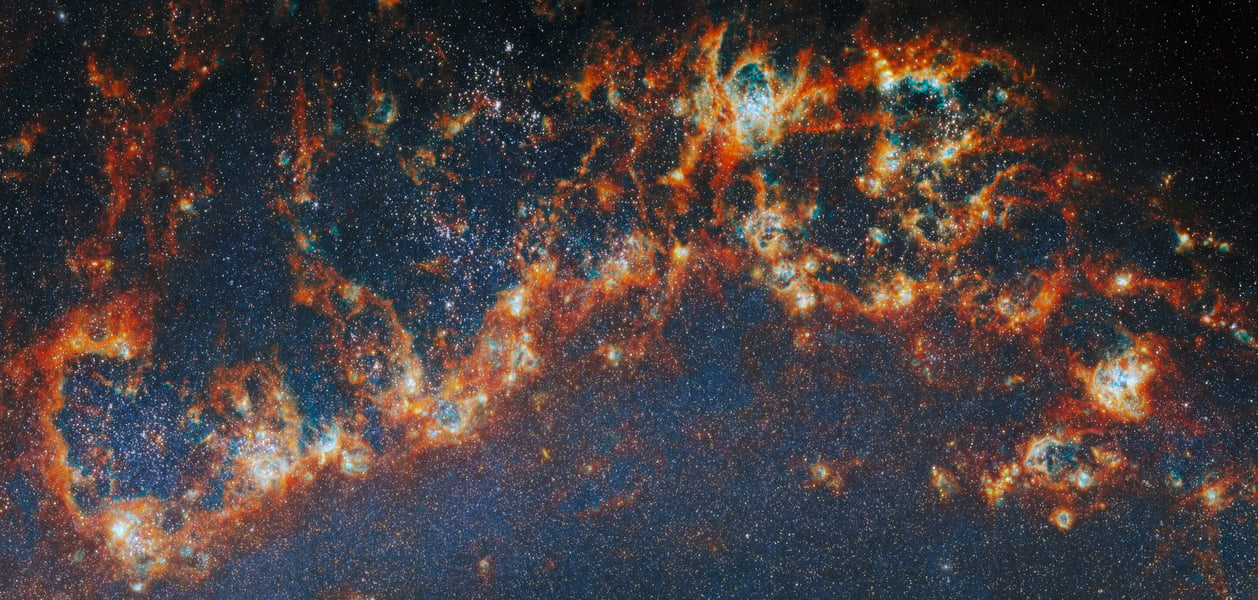
An international team using NASA's James Webb Space Telescope and Hubble has measured nearly 9,000 young star clusters across four nearby galaxies, finding that the largest break free of their gas cocoons
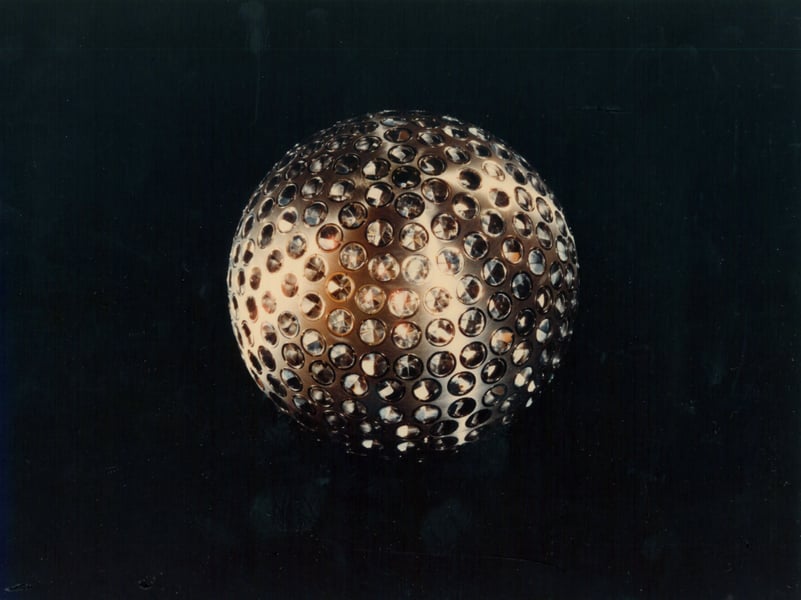
On May 4, 1976, a polished brass and aluminum sphere lifted off from Vandenberg Air Force Base in California, slipped past the boundary where the sky turns black, and settled into an
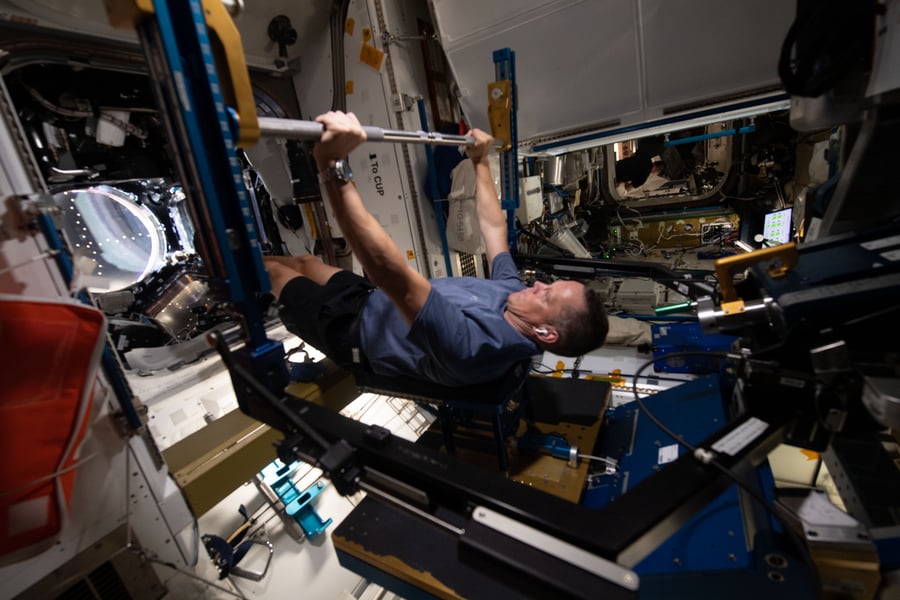
A British-built exercise rig called HIFIm, tested by Olympic rower Matthew Wells on a parabolic flight, promises to cut astronaut workout time from two hours to thirty minutes a day and is
Follow