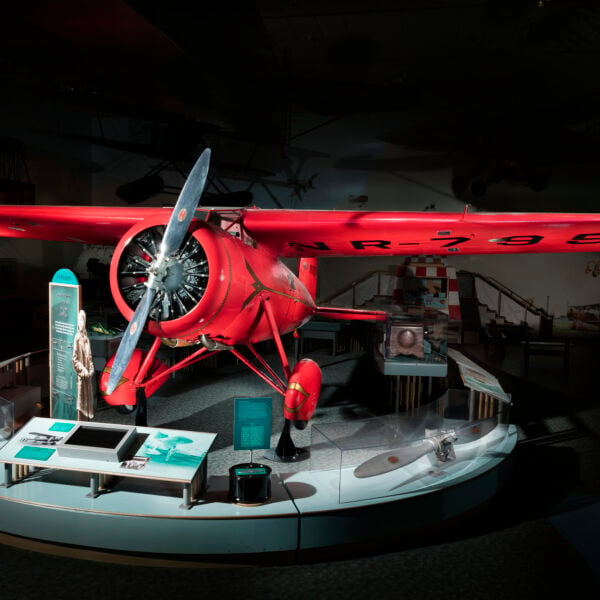
The Purdue-backed team that called its evidence "very strong" says the Taraia Object in Nikumaroro's lagoon was most likely a collection of large trees, not Amelia Earhart's Electra. Its steel-tube find and castaway theory survive, but no outside specialist is
Microplastics, once treated as a purely terrestrial and oceanic contamination crisis, are now being reassessed as a potential atmospheric climate driver. A growing body of research suggests that these particles, suspended in
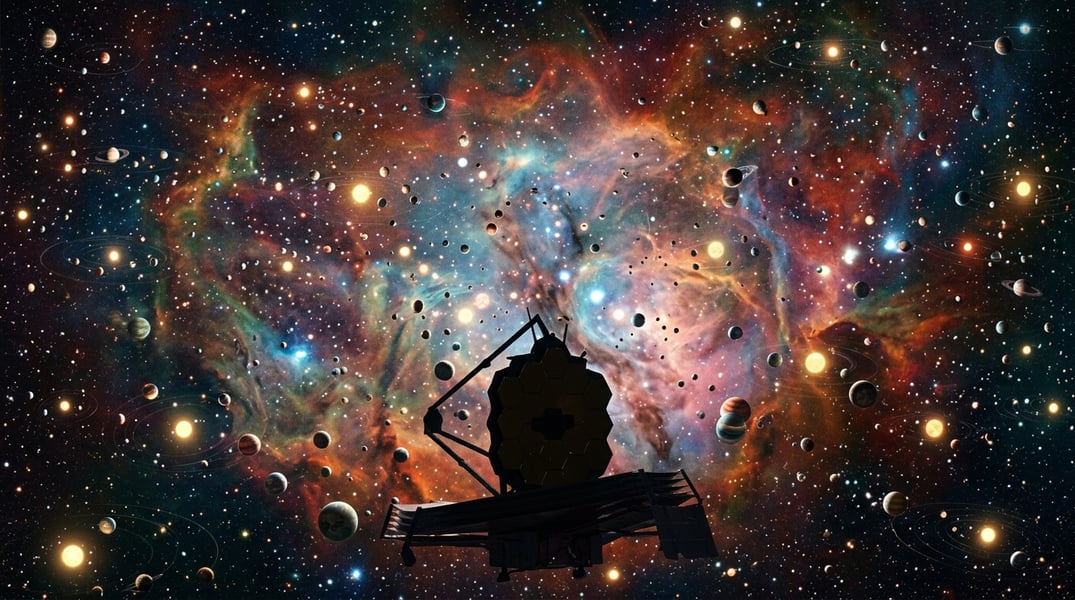
The cosmos, it turns out, may be far more crowded than astronomers ever dared to imagine. In a sweeping breakthrough that leans heavily on artificial intelligence, scientists have identified more than 10,000
NASA is sharply escalating its push toward the Moon, committing billions more to a program that has quietly become the backbone of its commercial lunar strategy. The U.S. space agency plans to
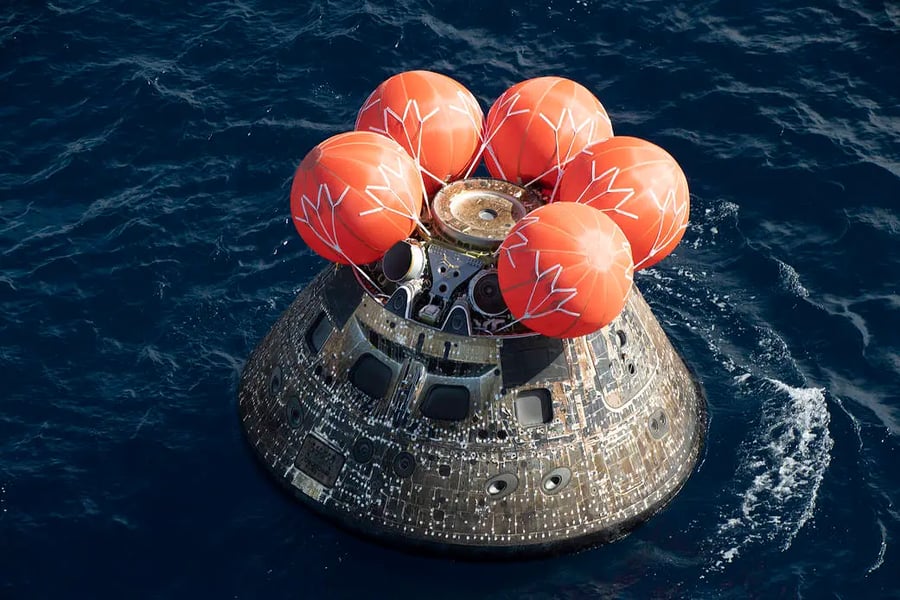
Artemis II astronauts return to Earth carrying candy, emotion, and a new public mythology of spaceflight The Artemis II mission has ended with the kind of imagery that increasingly defines modern space
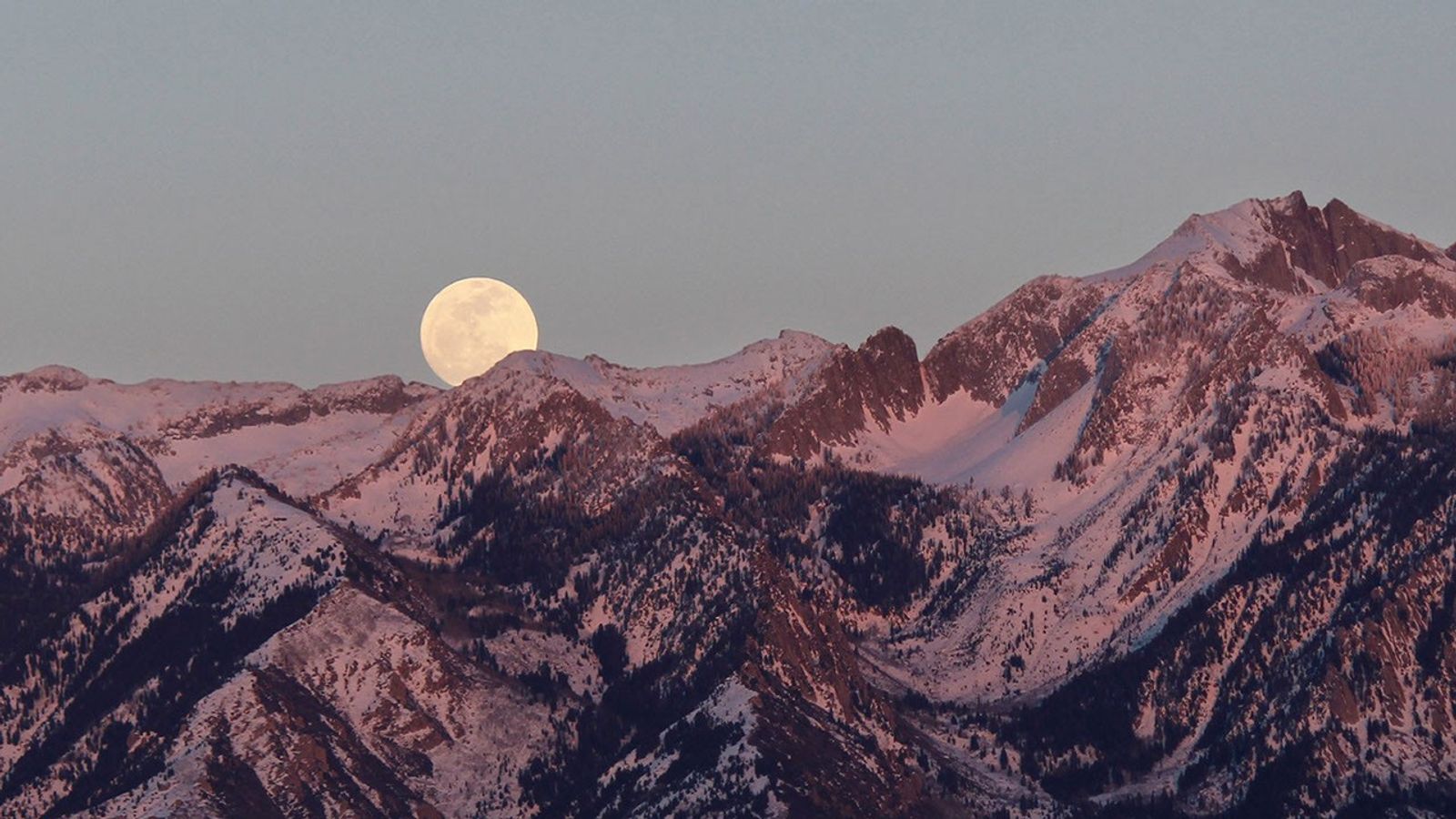
The night sky on May 1, 2026, delivers an astronomical configuration that is at once ordinary in appearance and unusual in structure. The full Moon, traditionally known as the Flower Moon, rises
The science of smell, long dismissed as biology’s most chaotic sensory system, has just been forced into a radical rewrite. In a landmark study published this week in Cell, researchers at Harvard
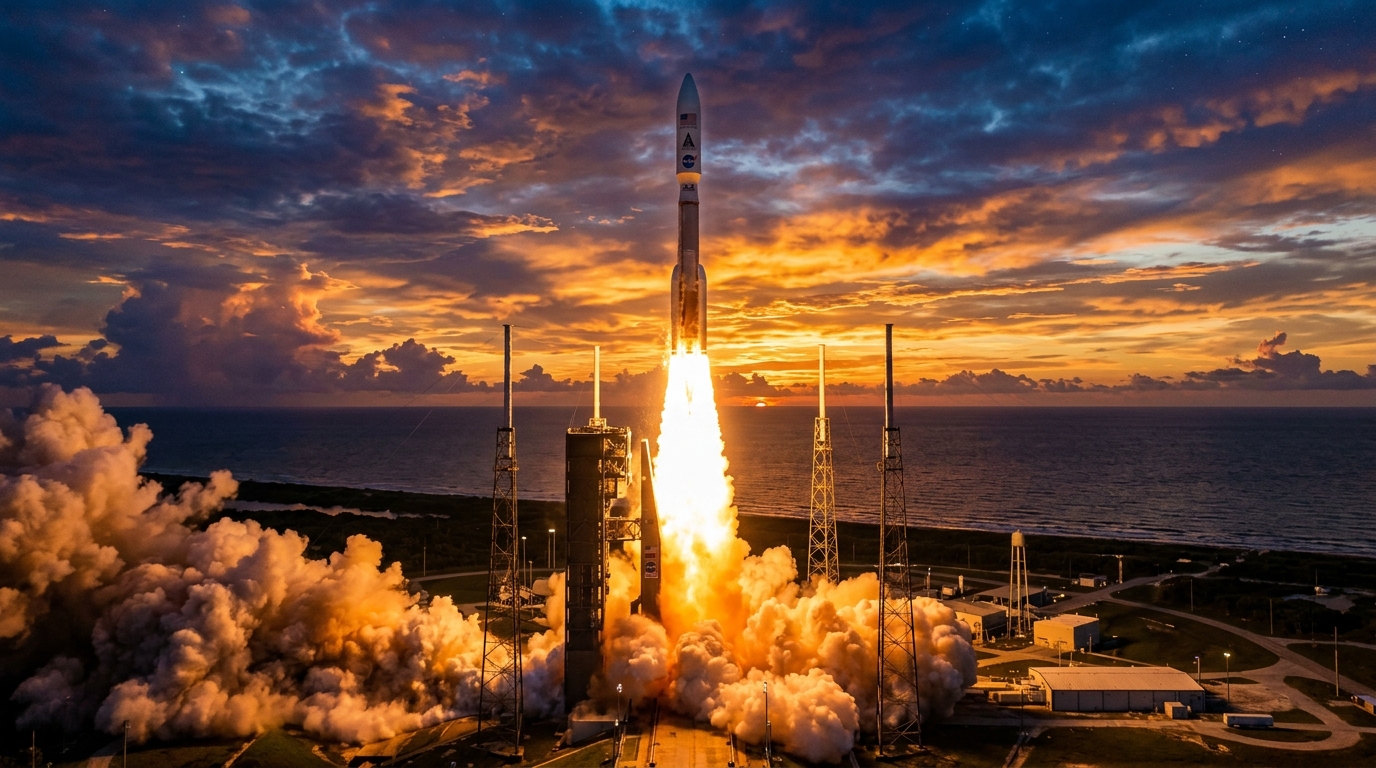
Amazon’s push into the orbital internet economy accelerated sharply this week, as an Atlas V rocket launch delivered another heavy payload of satellites into low Earth orbit, underscoring the company’s escalating rivalry
The dismantling of science inside the United States Environmental Protection Agency is no longer theoretical. It is operational, deliberate, and accelerating. Under President Donald Trump’s second administration, the EPA, once the federal
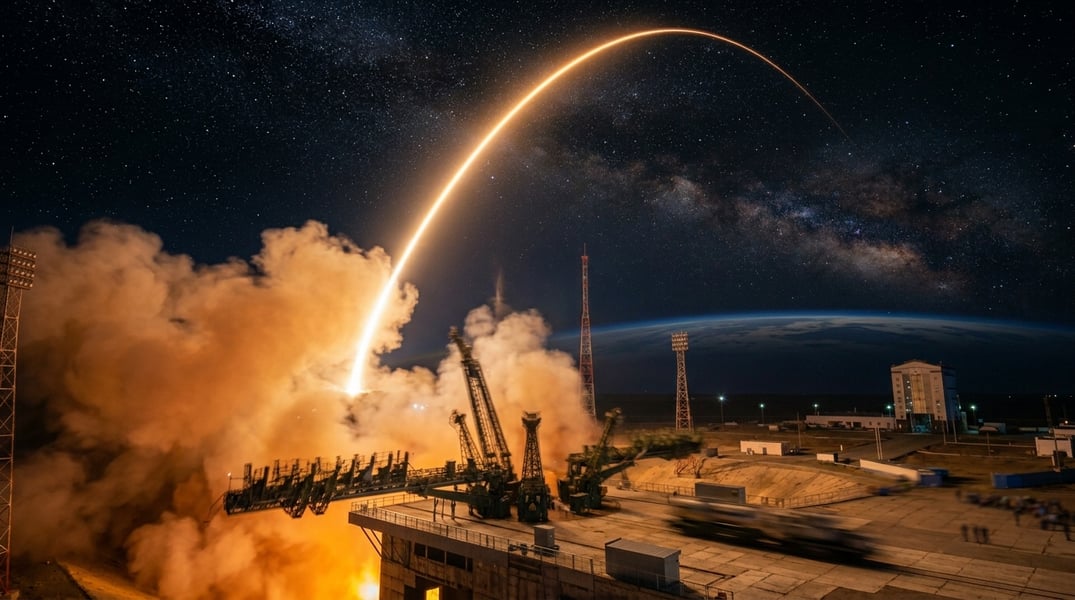
The Progress MS-34 cargo spacecraft has successfully completed its orbital journey, docking with the International Space Station in a mission that underscores the fragile yet highly engineered supply chain sustaining human presence
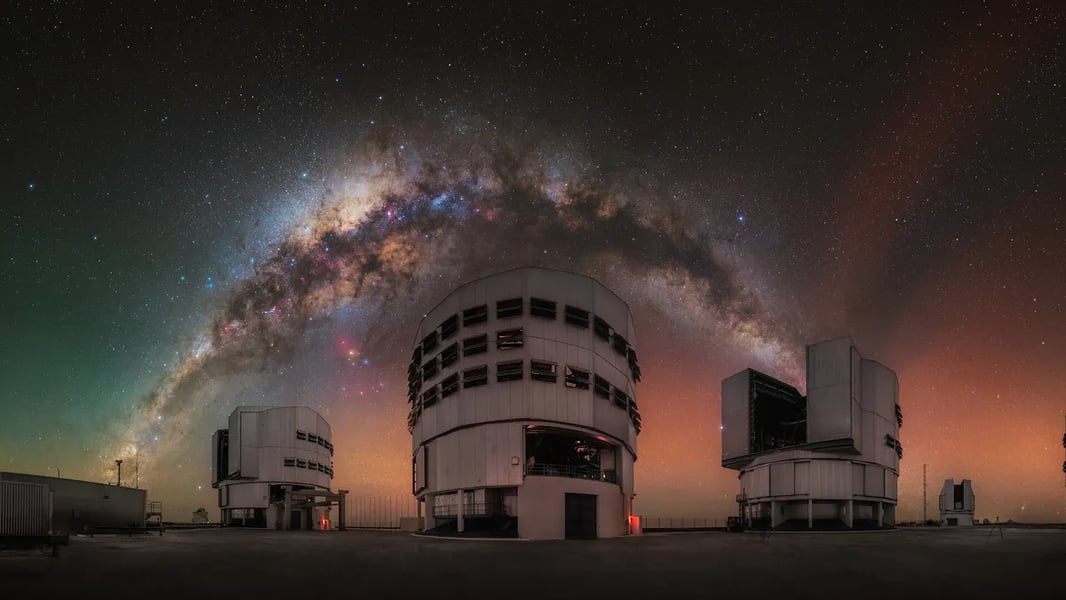
Chile’s Atacama Desert has long been regarded as a scientific anomaly on Earth, a vast high-altitude expanse where the night sky reveals itself with rare clarity. For decades, it has functioned as
Follow