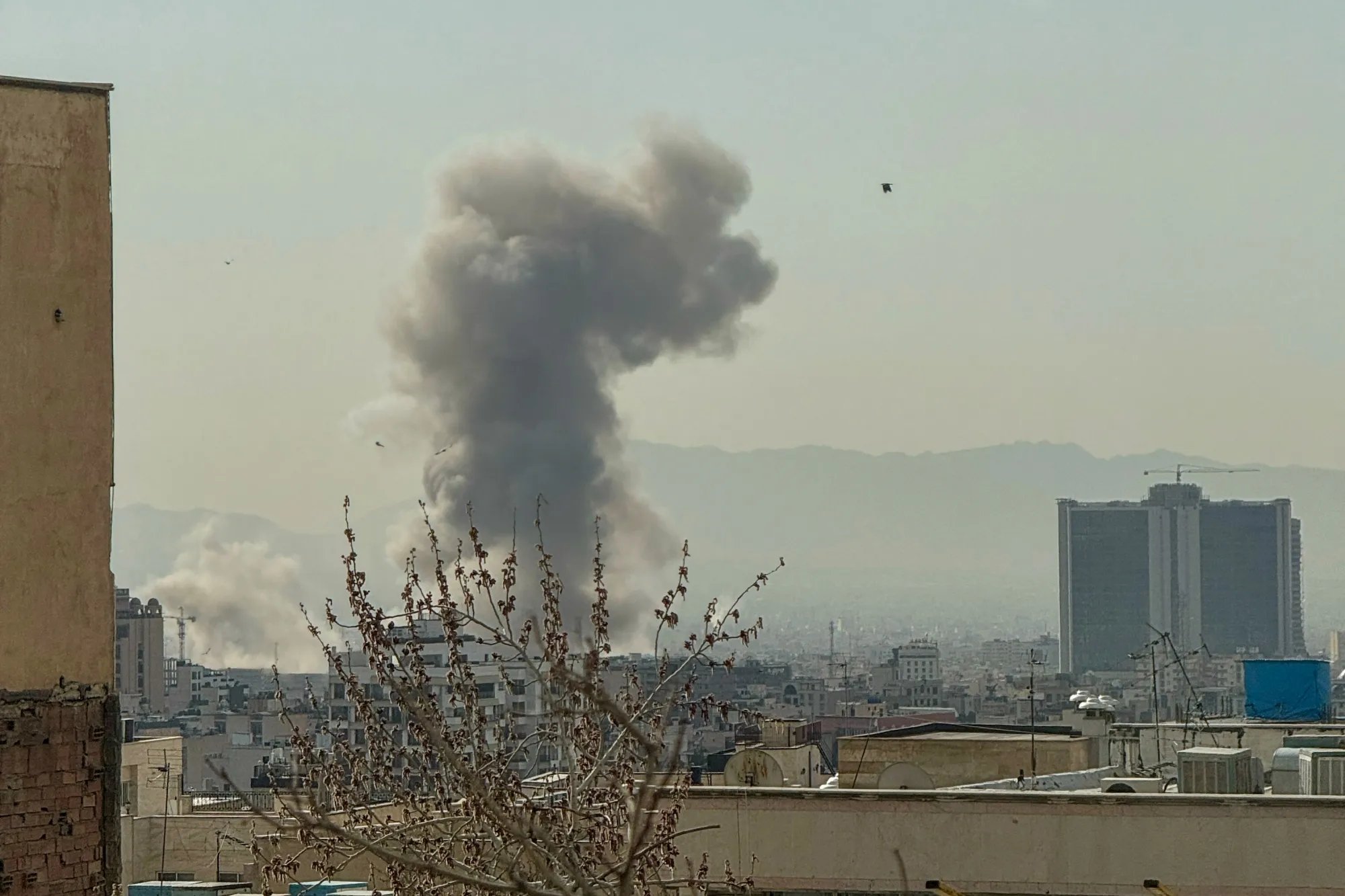

TEHRAN — In one of the most consequential military escalations of the decade, former Iranian President Mahmoud Ahmadinejad was reported killed on Sunday as part of a sweeping United States–Israeli military campaign against Tehran. Iranian outlets claimed that the missile strike hit his residence in the Narmak district of the capital, with several bodyguards also killed in the blast. Reports today indicate that Ahmadinejad was killed in the strike, though official confirmation from Iranian authorities is still pending and remains a point of dispute among global news services.
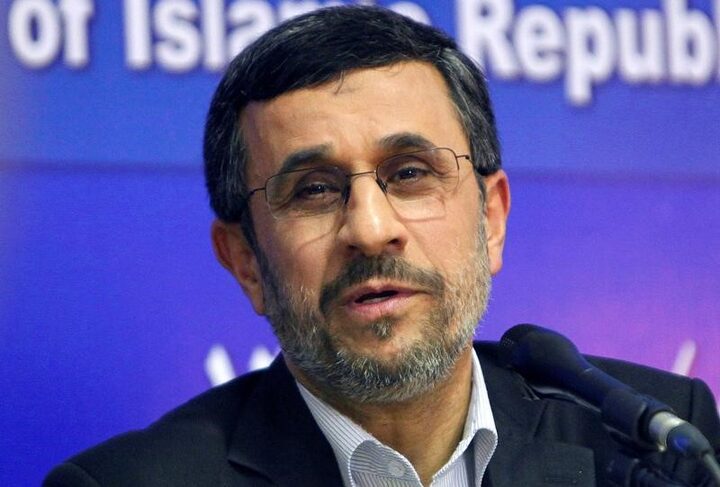
Experts say that the strikes represent a strategic reorientation of American and Israeli military doctrine, shifting toward pre-emptive decapitation strikes with the declared aim of dismantling Iran’s nuclear and missile infrastructure. Earlier coverage on US and Israel Claim to Kill Iran’s Supreme Leader During Recent Strikes on Tehran laid out how the first wave of attacks unfolded across key strategic points in the Iranian capital and surrounding regions.
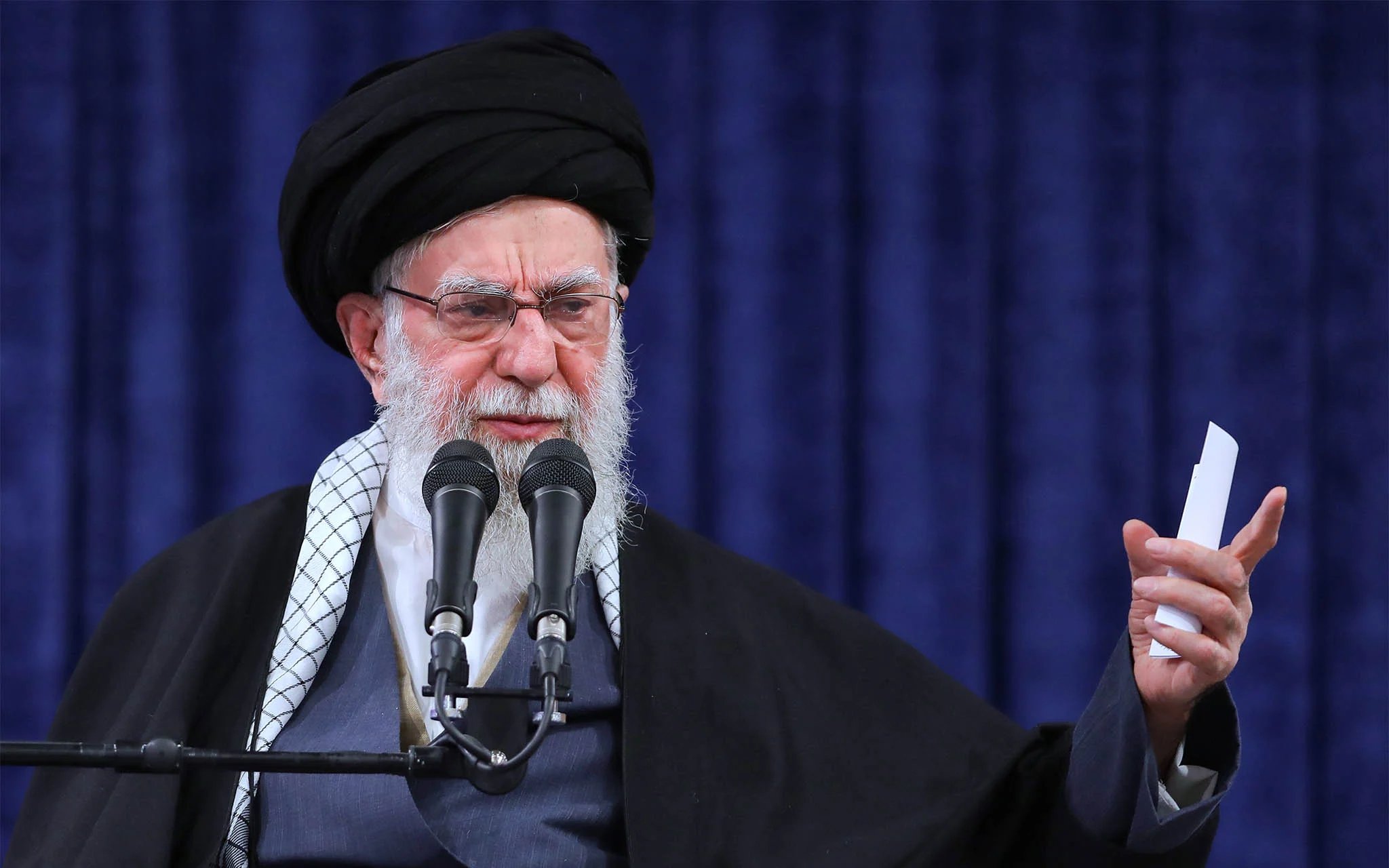
The reported death of Ahmadinejad, a figure known for his staunch defiance of Western influence, prior confrontational rhetoric toward Israel, and controversial tenure from 2005 to 2013, has sent shockwaves through the region. Observers note that even unconfirmed, the claim has galvanized hardline factions and unified broad segments of Iranian society in defiance of foreign military pressure.
Regional instability has already begun to spike. Iranian allied groups in neighboring nations have voiced support and threatened retaliatory actions, echoing sentiments similar to those expressed in Iraq’s Nujaba Movement Declares Full Support for Iran, which warned of a wider confrontation affecting allied militias and unconventional fronts.
In global capitals, reactions are polarized. Western governments that back the strike frame it as a decisive blow against Tehran’s hostile posture, while other nations warn that such actions risk broadening the conflict into an all-out regional war. International diplomatic tensions were foreshadowed in our earlier report US-Israel Iran Strikes Could Ignite War, which examined diplomatic fractures and the potential fallout of such military escalation.
The humanitarian toll is also rising. Independent and state media outlets report strikes have hit civilian infrastructure, including schools, hospitals, and residential areas. Graphic scenes from Minab and other provinces depict shattered buildings and grieving families, underscoring the broader human cost of strategic warfare in densely populated regions.
As Tehran enters a period of mourning and calls for unified retaliation grow louder, the coming days may determine whether this military crescendo leads to negotiated de-escalation or further entrenchment of conflict. With multiple fronts now active and leadership vacuums taking shape within Iran’s political hierarchy, the region faces a fraught and uncertain future.