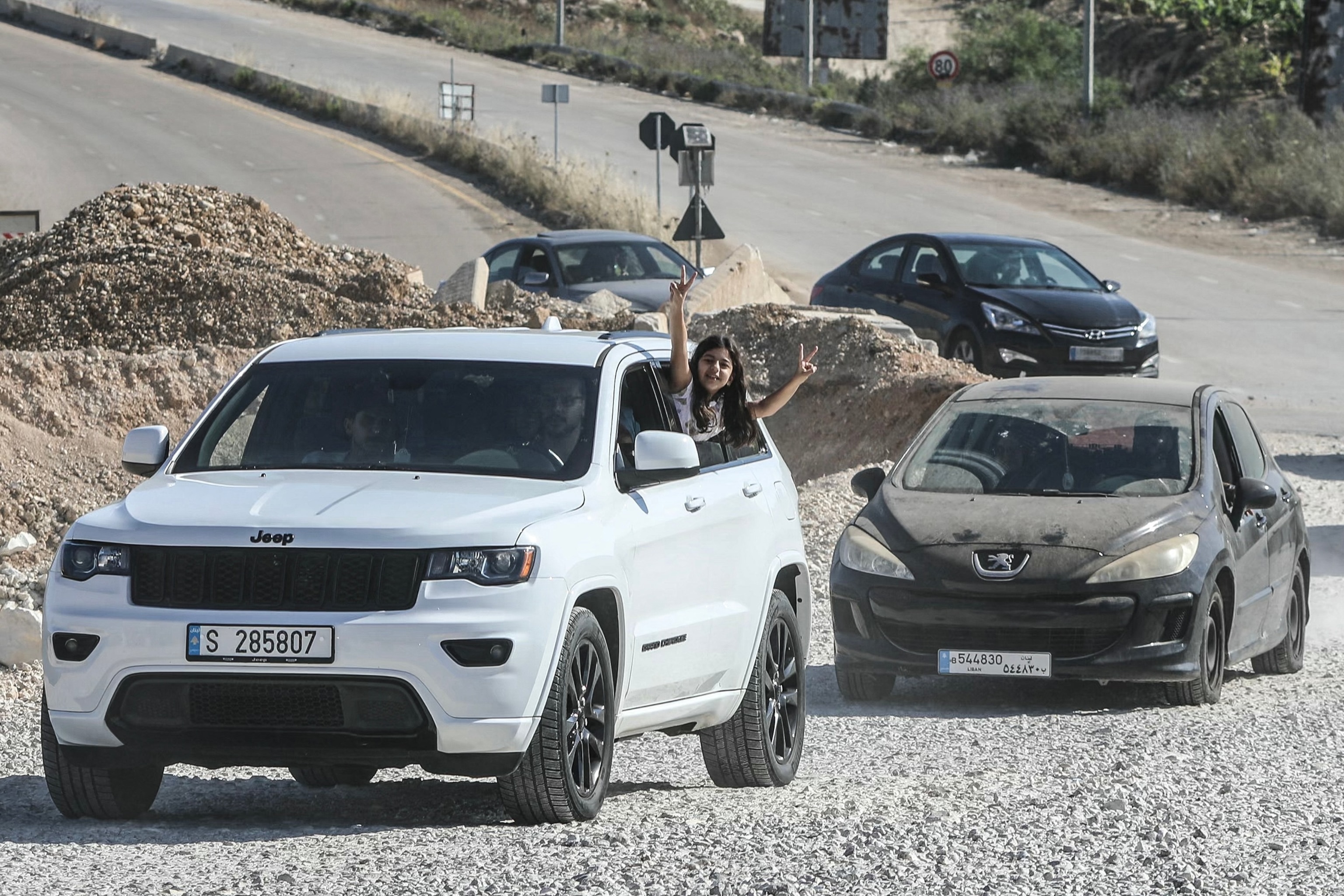

ÉVIAN-LES-BAINS, France – The Iran deal is signed, the Strait of Hormuz is reopening, and Donald Trump is in France telling the world peace is at hand. Then he mentioned Hezbollah.
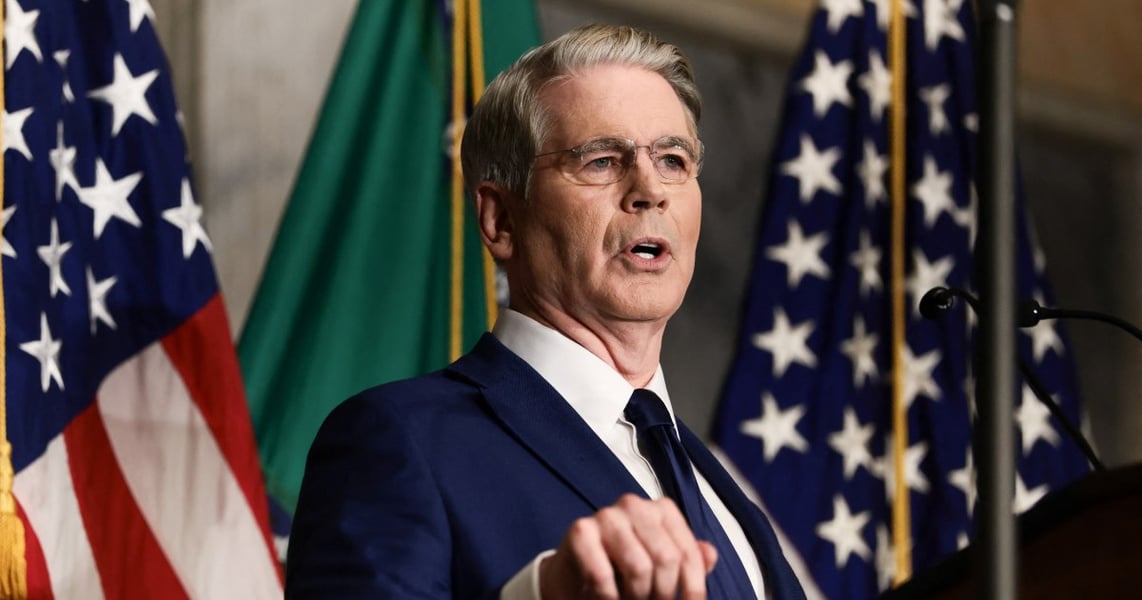
Standing beside French President Emmanuel Macron at a joint press conference on the sidelines of the G7 summit on Monday, Trump said the United States wants to resolve the conflict in Lebanon and acknowledged that doing so would require speaking directly with the Shia movement that has spent the better part of three months firing rockets and drones at Israel. “We do want to see if we can straighten out the Lebanon thing, because it just seems to never end,” Trump said. “Hezbollah. We have to have a little talk with them.”
The remark landed in a legal vacuum the administration has not yet bothered to fill. The United States government designated Hezbollah as a Foreign Terrorist Organization in 1997. Direct engagement with a designated FTO by a US official is not merely diplomatically unusual; it sits in contested legal territory that the State Department has historically treated as off-limits. Trump made no mention of how that would be reconciled.
That gap is not a procedural footnote. It is the central problem of the memorandum of understanding that Trump announced on Sunday and said would be physically signed in Switzerland on June 19. According to Iranian and Pakistani officials familiar with the text, the MOU extends the US-Iran ceasefire to Lebanon, effectively making Hezbollah a party to the agreement’s terms even though Hezbollah was not present at any table when those terms were discussed. Whether Hezbollah considers itself bound by a deal it did not negotiate is an open question the MOU leaves unanswered.
Hezbollah released a statement on Monday saying the deal should not resemble the November 2024 ceasefire, under which Israel remained on Lebanese soil and continued strikes inside the country. The group has not formally endorsed the MOU. That hesitation matters because Israeli forces have continued daily operations in southern Lebanon since Sunday’s announcement, and Israel’s defense minister publicly vowed the Israeli military would remain in the country regardless of what Washington signed in Geneva.
The MOU’s Lebanon provisions are already fraying before the ink is dry.
On Monday morning, JD Vance confirmed that a digital signing of the MOU had already taken place, a step that Trump acknowledged shortly after during the Macron press conference. An administration official briefing reporters separately said the text of the agreement would likely be released within 24 to 48 hours, though Trump suggested it might come “some time after Friday.” A 60-day period of technical negotiations on Iran’s nuclear program would follow the formal signing, the official said, adding that the United States has no plans to draw down its military force posture in the region during that window.
The force posture remark was its own signal. Washington ramped up its military presence in the Middle East before the operation that began in late February, and it is not reducing that presence now. The implication is that the MOU is a framework, not a resolution – a document that creates a 60-day runway toward something more durable or toward collapse, depending on whether the parties it purports to bind actually comply.
Lebanon is the most fragile of those compliance questions. Nader Hashemi, an associate professor of Middle East and Islamic politics at Georgetown University, told CBC News that the Hezbollah-Israel conflict in southern Lebanon carries the greatest potential to undo whatever architecture Washington and Tehran have just constructed. “Let’s not forget that Israel right now occupies roughly 15 per cent of Lebanon,” Hashemi said. “There are going to be skirmishes, tit-for-tat strikes between Hezbollah and Israel.”
Israel was not party to the negotiations that produced the MOU. Its government was not consulted on the Lebanon provisions. Israeli opposition figures described the agreement as a product of failed Israeli leadership, while Ben-Gvir and other ministers declared it non-binding on the Israeli state. Prime Minister Benjamin Netanyahu has not commented publicly on the deal, though an Israeli official told NBC News that Netanyahu is seeking a meeting with Trump to discuss it.
What Trump said on Monday in Évian-les-Bains is that the path to resolving Lebanon runs through Hezbollah. What the US government has maintained for nearly three decades is that talking to Hezbollah is not something American officials do. Those two positions have not yet been reconciled, and the administration gave no indication Monday that it had a plan for doing so.
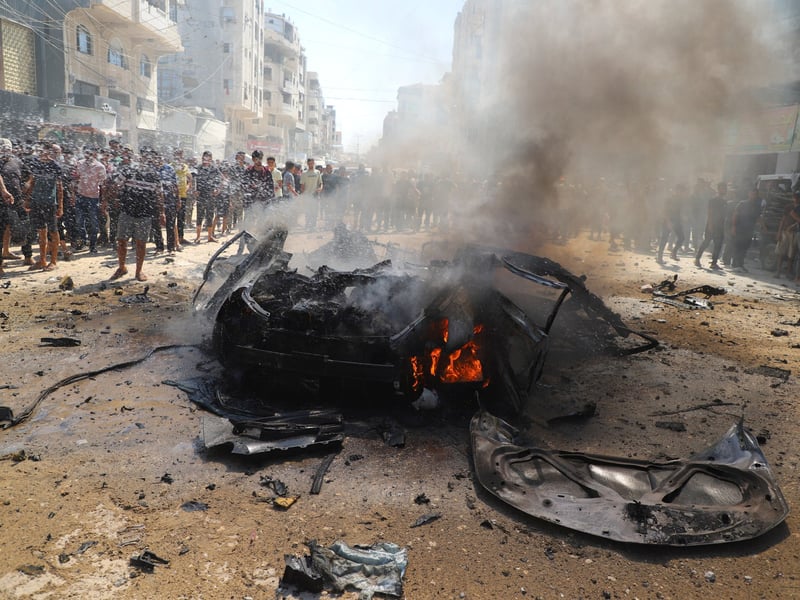
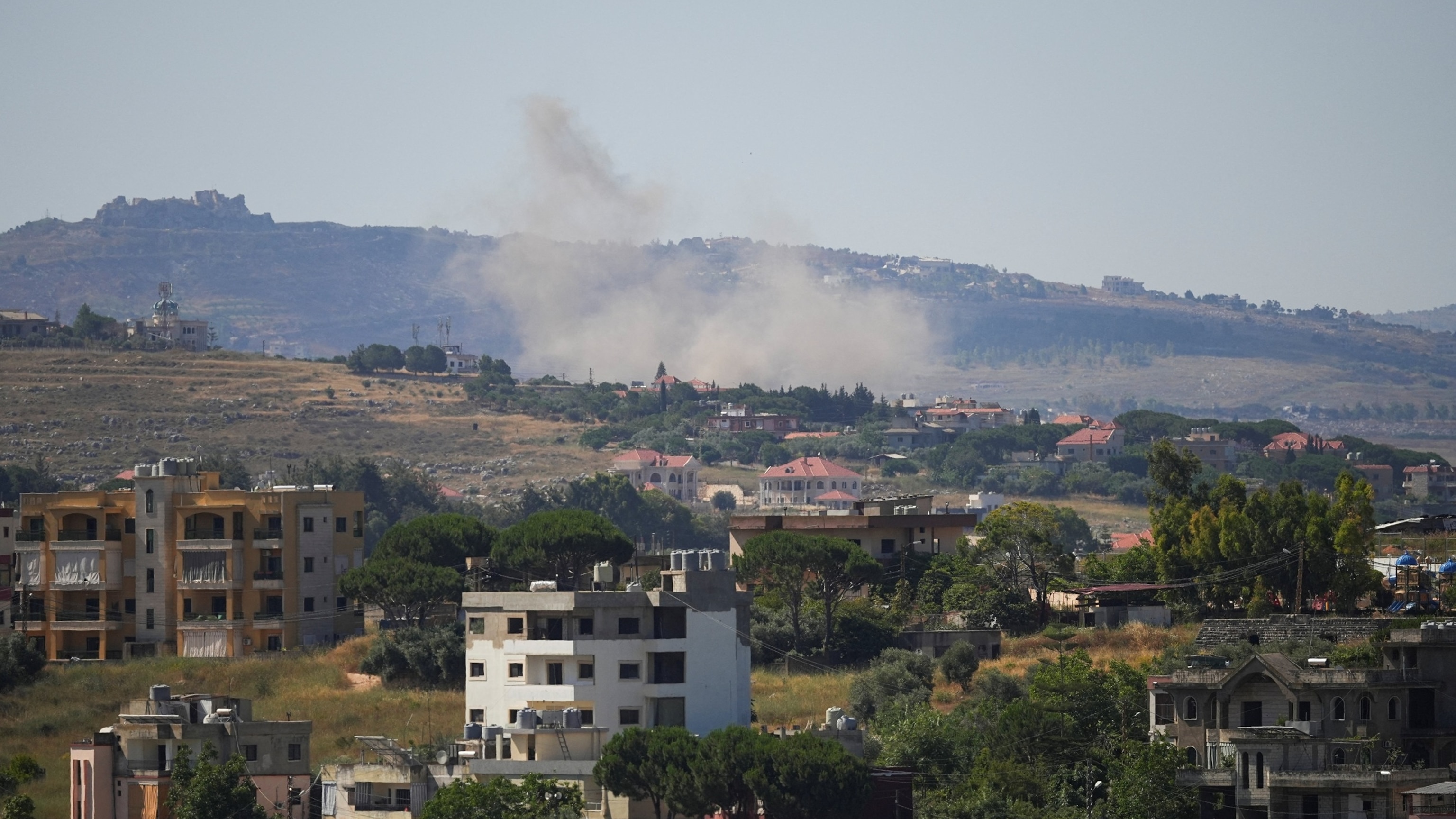
Macron, for his part, has been the European figure most invested in Lebanon’s stability, and his decision to host Tuesday’s G7 session on the Middle East – with Egypt, Qatar, and the UAE invited to attend – suggests France sees the Lebanese element of the MOU as requiring urgent multilateral attention. What remains unclear is whether Hezbollah, watching Israeli drones strike Nabatieh on the same day Trump announced peace, is prepared to treat the agreement as anything more than a piece of paper that was negotiated over its head.
The “little talk” Trump has in mind would have to be a very different kind of conversation than any his administration has yet described. Whether the legal architecture around it exists, and whether Hezbollah would show up if it did, are questions that did not come up at the press conference in France.