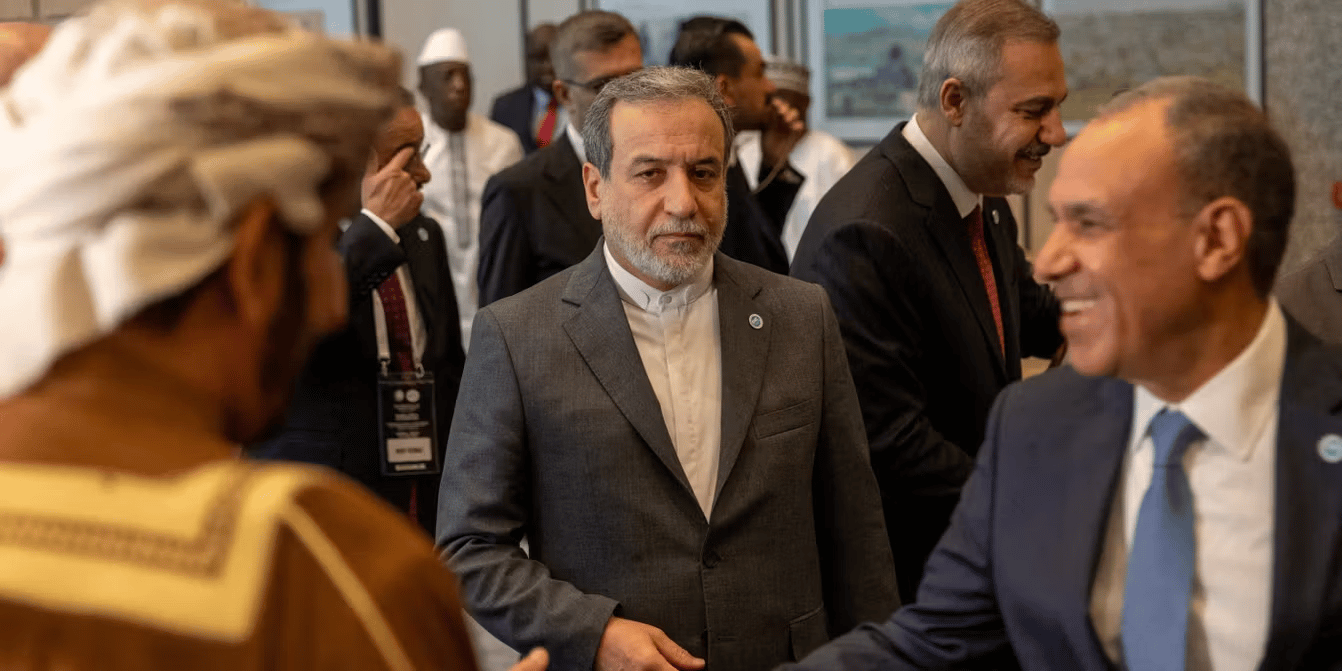

A tentative agreement aimed at ending months of conflict between the United States and Iran has entered a critical phase after Tehran declared that any lasting peace must include a complete Israeli withdrawal from southern Lebanon. The demand has emerged as one of the most contentious issues in ongoing negotiations and could determine whether the proposed deal survives or collapses before implementation.
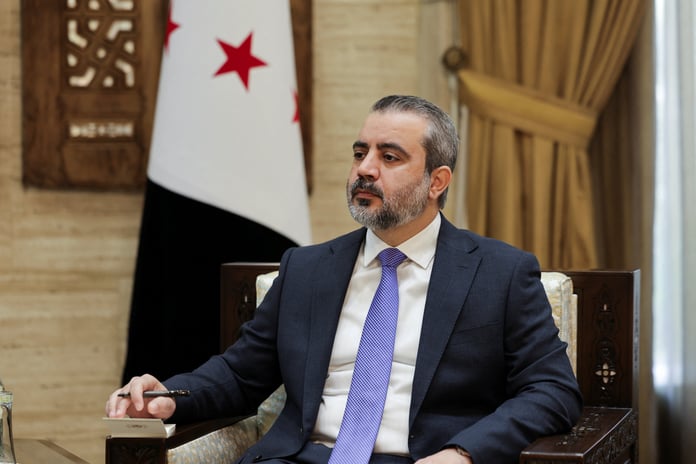
Iranian Foreign Minister Abbas Araghchi has repeatedly stated that Lebanon cannot be separated from the broader conflict and that Israeli military presence in southern Lebanon remains a direct obstacle to peace. According to Iranian officials, a ceasefire that excludes Lebanon would fail to address one of the key fronts of the regional confrontation that escalated alongside the US-Iran war.
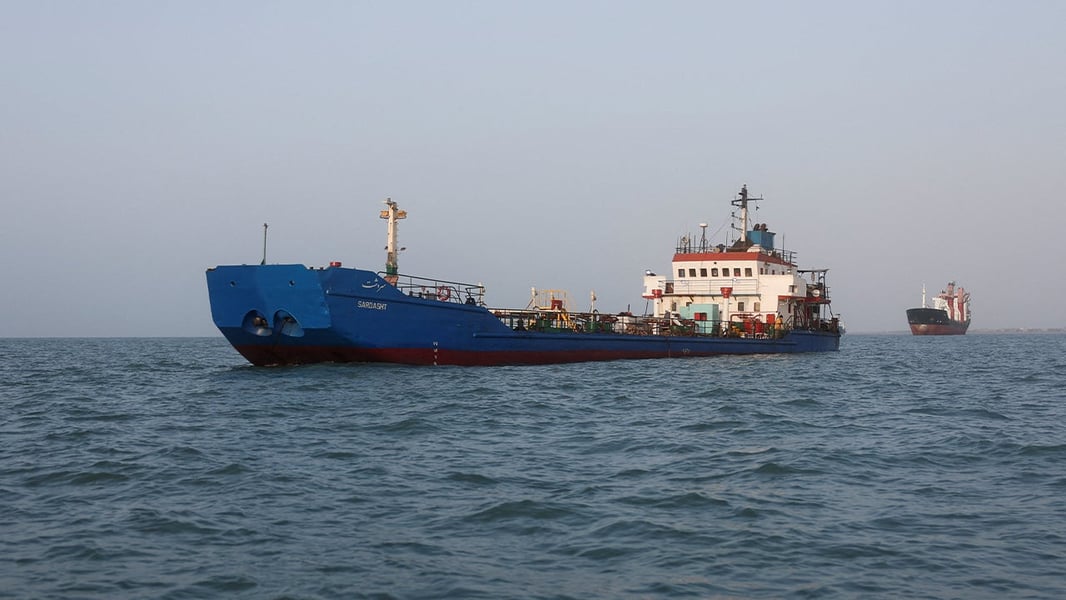
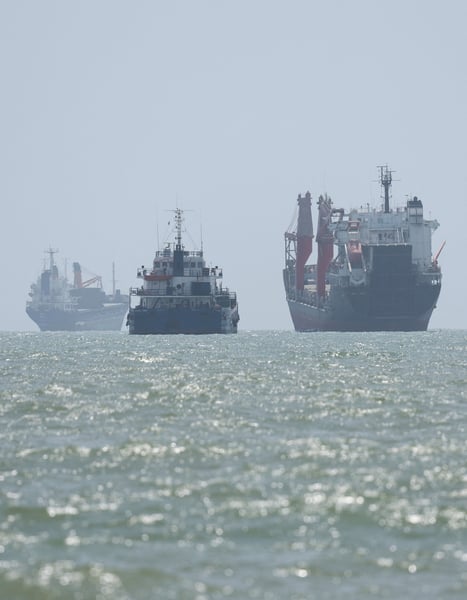
The dispute comes despite growing optimism surrounding a framework agreement announced by Washington and Tehran. The proposed arrangement reportedly includes the reopening of the Strait of Hormuz, easing restrictions on Iranian trade, a phased reduction in hostilities, and a new round of negotiations focused on Iran’s nuclear program. However, major details remain unresolved, and the Lebanon issue has rapidly become the most significant sticking point.
Iranian officials argue that Israel’s continued military presence in southern Lebanon undermines any claim that the conflict has truly ended. Tehran has linked stability in Lebanon directly to the broader peace process and has warned that renewed Israeli military actions could jeopardize the entire agreement.
Israel, however, has shown little indication that it is prepared to accept such conditions. Prime Minister Benjamin Netanyahu has reportedly informed US officials that Israel will not withdraw from positions it considers strategically necessary for national security. Israeli leaders maintain that military attacks in Lebanon are aimed at preventing attacks from Hezbollah and other armed groups operating near the border. Israel has publicly ruled out a withdrawal from southern Lebanon despite diplomatic pressure from multiple parties.
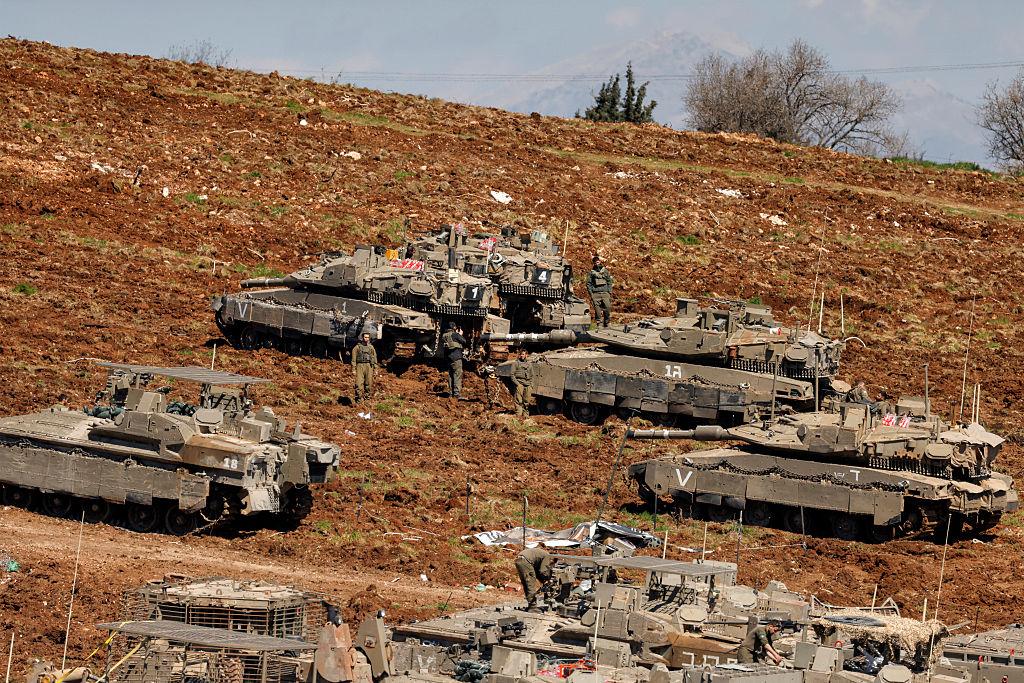
The Lebanon question has been central to discussions for weeks. Iranian officials have consistently described Lebanon as an integral component of any settlement and have suggested that Tehran cannot support a peace framework that allows Israeli forces to remain indefinitely in Lebanese territory. Reuters previously reported that Lebanon had become a key source of leverage during negotiations between Tehran and Washington.
Meanwhile, fighting in Lebanon has eased but not completely stopped. Reports from the region indicate that hostilities between Israel and Hezbollah have declined since the announcement of the US-Iran framework, though sporadic incidents continue to occur. The fragile security situation has reinforced concerns that the peace process remains vulnerable to sudden setbacks.
A senior Hezbollah official recently stated that the group’s position on any ceasefire remains dependent on Israeli compliance and rejected the notion that Israel should retain unrestricted freedom of movement inside Lebanon. The comments reflected broader concerns among Iran-aligned groups that any agreement lacking enforcement mechanisms could quickly unravel.
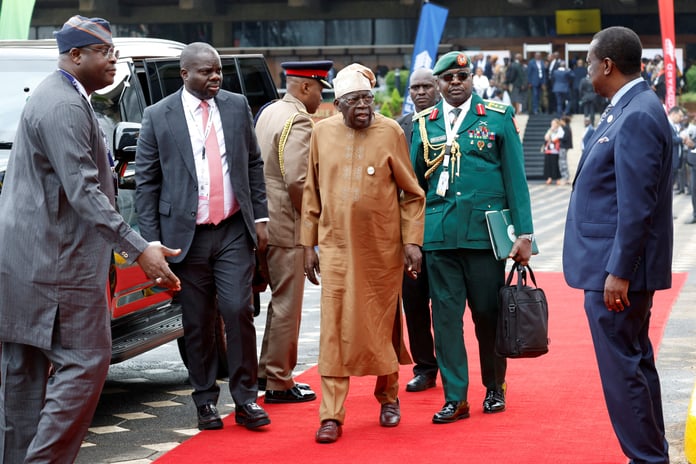
The emerging dispute has attracted international attention. Leaders attending recent diplomatic meetings have emphasized the importance of maintaining regional stability, particularly after months of disruptions to energy markets and shipping routes. The Strait of Hormuz remains a critical concern for global trade, and financial markets have reacted positively to signs that a diplomatic breakthrough may be possible.
Yet significant disagreements continue over Iran’s nuclear activities, sanctions relief, frozen Iranian assets, and the future security architecture of the Middle East. The Lebanon issue now appears to be the most immediate challenge confronting negotiators. Draft terms reported by multiple media outlets indicate that both sides remain divided on implementation details despite progress toward a broader settlement.
US President Donald Trump has described the agreement as moving into a second phase, with the next round of talks expected in Switzerland. Washington hopes that the current framework can create conditions for broader negotiations and reduce the risk of renewed military escalation.
For Iran, the demand for Israeli withdrawal from Lebanon has become a defining test of the agreement’s credibility. Tehran argues that peace cannot be achieved while military operations continue in neighboring countries. For Israel, maintaining operational freedom against Hezbollah and other armed groups remains a non-negotiable security priority. These competing positions have placed the future of the agreement in doubt.
As negotiators prepare for the next round of talks, the central question remains whether diplomatic efforts can bridge the gap between Iran’s insistence on a complete Israeli withdrawal and Israel’s determination to remain in Lebanon. The answer may ultimately determine whether the most significant US-Iran diplomatic initiative in years leads to lasting stability or becomes another failed attempt to reshape the Middle East’s security landscape.