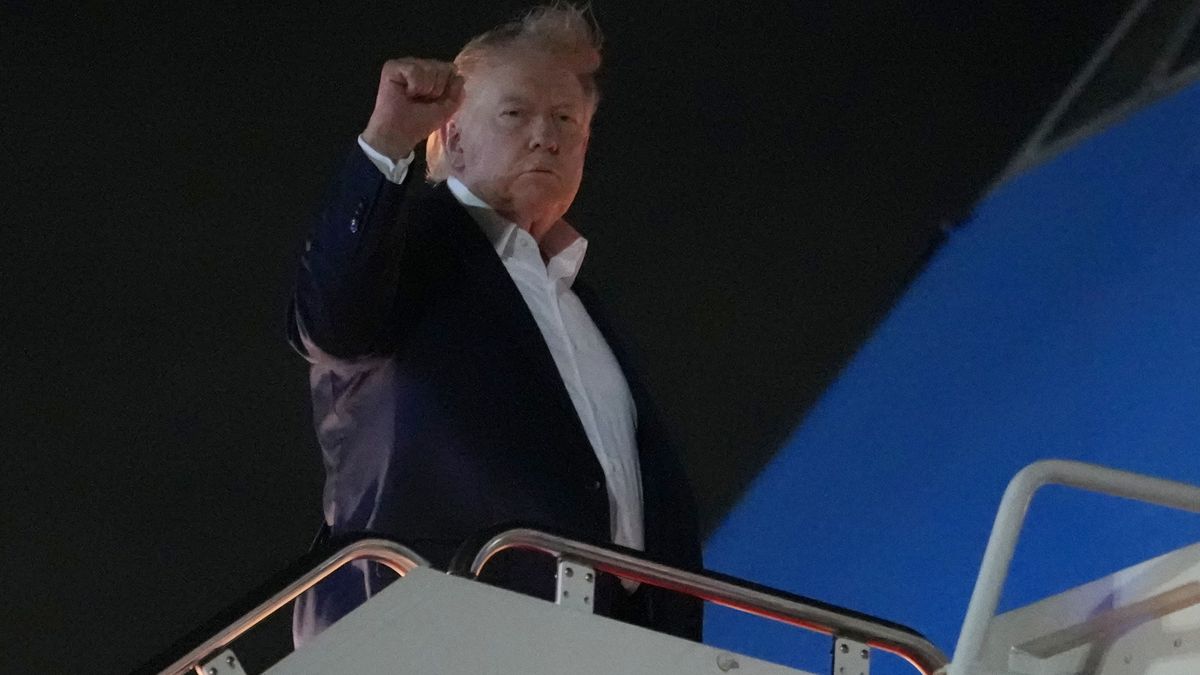

ÉVIAN-LES-BAINS, France – The call with Putin lasted 55 minutes. The call with Zelensky lasted 30. Neither man was told what the other said, and by the time Donald Trump arrived at the G7 summit in the French Alps on Monday, he had declared both conversations a success.
“We had a very good conversation yesterday with President Zelensky and President Putin,” Trump told reporters at a joint press conference with French President Emmanuel Macron in Évian-les-Bains, where the Group of Seven is meeting through Wednesday. “A lot of good things toward peace are happening.”
What those good things are, specifically, Trump did not say. That ambiguity is not accidental. It is the central fact of where the Ukraine conflict stands as the G7 opens: both Moscow and Kyiv are courting Washington simultaneously, each hoping Trump’s optimism translates into pressure on the other side. The summit is where that contest begins in earnest.
Sunday’s back-to-back calls – which Trump placed on his 80th birthday, between a UFC event on the White House lawn and an overnight flight to Geneva – produced two starkly different readouts. The Kremlin’s account, relayed by presidential aide Yuri Ushakov, described the conversation as “friendly in nature” and said Putin had not hidden what it called his “respect for Trump’s fighting qualities.” The flattery was deliberate. Russia has spent months resisting any meaningful concession, and keeping Trump personally invested in his own role as peacemaker is, for Moscow, a useful substitute for actual negotiation.
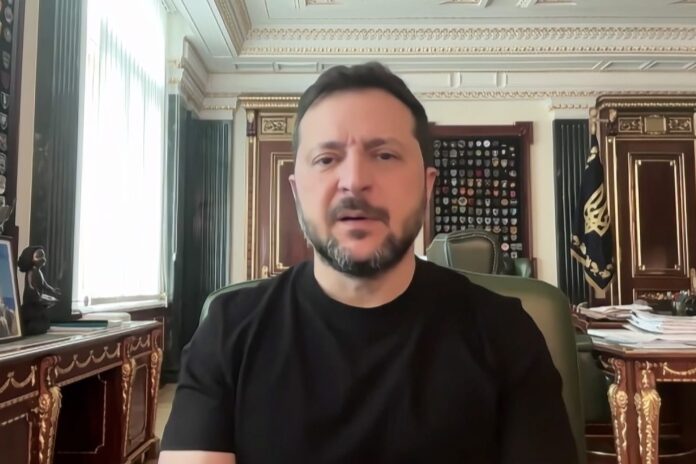
Ukraine’s account was different in register and intent. Zelensky, in a statement posted to social media after his call, said he had informed Trump about “the latest developments on the battlefield and how our position has strengthened.” He also singled out a specific point Trump had raised: that Russia’s illegal seizure of Crimea in 2014 was the origin of the full-scale war. “President Trump’s remarks were absolutely spot-on,” Zelensky wrote, adding that the remark about Crimea was significant because it assigned the war’s roots to Russian aggression, not Ukrainian provocation. That framing matters enormously to Kyiv, which has watched other diplomatic conversations erase 2014 from the timeline entirely.
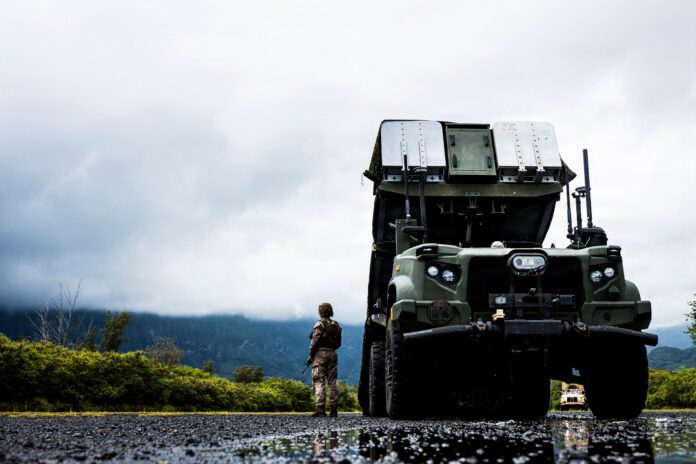
Zelensky also made a point of thanking Trump for American military assistance, naming the weapons specifically: “from Javelins to Patriots.” The gratitude was not purely ceremonial. It was a signal that Ukraine intends to hold the United States to its record of support, even as the conflict enters its fifth year and Trump has grown visibly impatient with the entire enterprise.
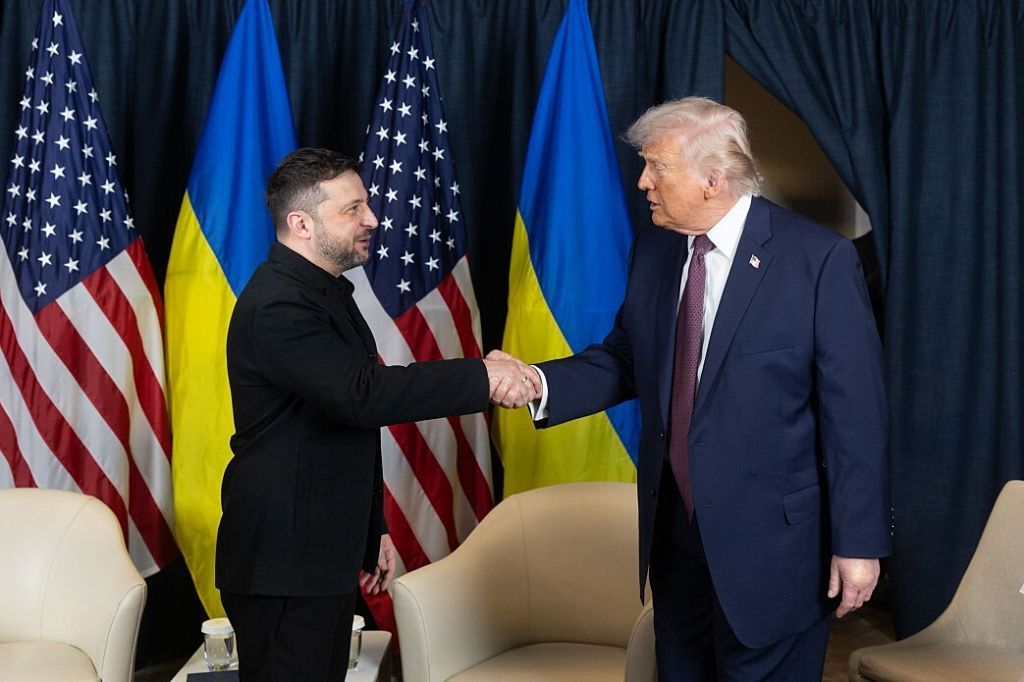
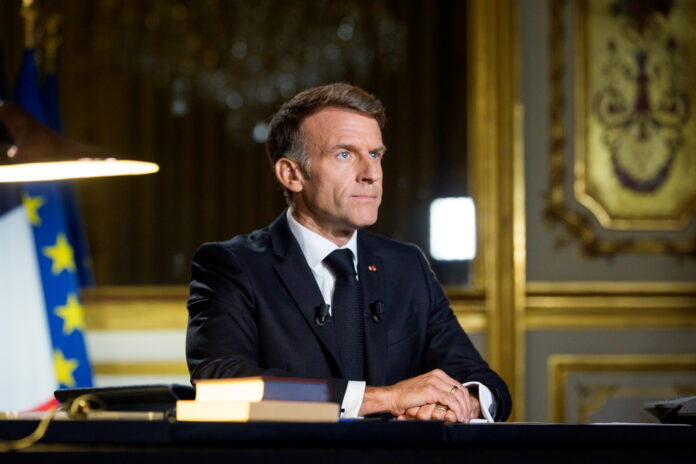
Macron, who is hosting what will be his final G7 before leaving office, has invited Zelensky to join the summit’s working session on Tuesday. There is no bilateral meeting between Trump and Zelensky currently on the schedule, a detail the White House has been careful not to describe as a slight. Administration officials, briefing reporters ahead of the trip, listed Ukraine as one of Trump’s “top priorities” while simultaneously leaving it off the official list of US summit goals. That contradiction was not explained.
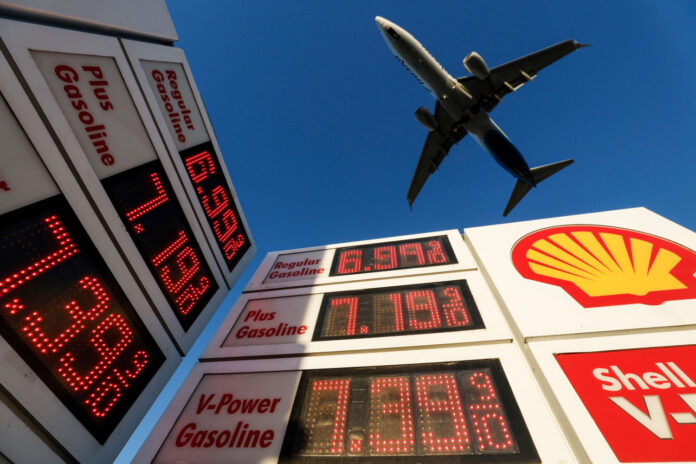
The broader context of the summit complicates any straightforward read of Trump’s optimism. He arrived in Évian having announced the previous day a framework agreement with Iran that he said would end the roughly 15-week US war and eventually reopen the Strait of Hormuz. G7 allies – France, Britain, Germany, Italy, Japan, Canada – had not been consulted before the Iran campaign and have spent months navigating the resulting surge in oil prices and inflation. The welcome in Évian is civil. The underlying strains are not.
On Ukraine specifically, those strains are sharper. Macron has made clear he wants the summit to produce a commitment to sustained support for Kyiv. European allies, who last week sent ambassadors to Moscow for talks that went nowhere, are increasingly alarmed that Trump’s desire for a deal – any deal – will lead him to pressure Zelensky into concessions that leave Ukraine exposed. Russia has continued striking Ukrainian cities throughout the diplomatic season. It has given no indication that its territorial ambitions have changed.
The Kremlin’s readout of the Trump call said that Trump had emphasized “the need to end hostilities” and expressed readiness to influence European allies and Kyiv toward that goal, including at the G7. That framing – Trump positioning himself as someone who will push the Western alliance rather than lead it – is precisely what European leaders gathered in Évian are hoping does not happen. Macron’s decision to invite Egypt, Qatar, and the United Arab Emirates to Tuesday’s Middle East session reflects an effort to build a broader coalition of pressure that does not depend entirely on Washington’s reliability.
As reported by the Kyiv Independent, Zelensky said after Sunday’s call that he and Trump “have some good ideas that could help bring peace closer and protect lives,” though he offered no specifics. The phrasing echoed previous formulations that have preceded rounds of diplomacy producing little movement. What is different this time is the venue: Zelensky will be in the room with Trump in France, and both men know that the next 48 hours will be watched closely by Moscow for any sign of Western division.
The Associated Press reported that Trump’s Iran deal had given him political momentum ahead of the summit, though the deal’s details remain unpublished and Iranian officials cautioned that implementation talks have yet to begin. Whether that momentum carries into the Ukraine discussions – or whether the Iran deal consumes the bandwidth that Ukraine diplomacy would otherwise require – is the unresolved question that Évian will not answer by Wednesday.
EH earlier reported that Ukraine’s war was on the G7 agenda in Évian and France had invited Kyiv, a plan Macron has now executed. What the summit produces remains, as it was before Trump’s birthday calls, genuinely uncertain.