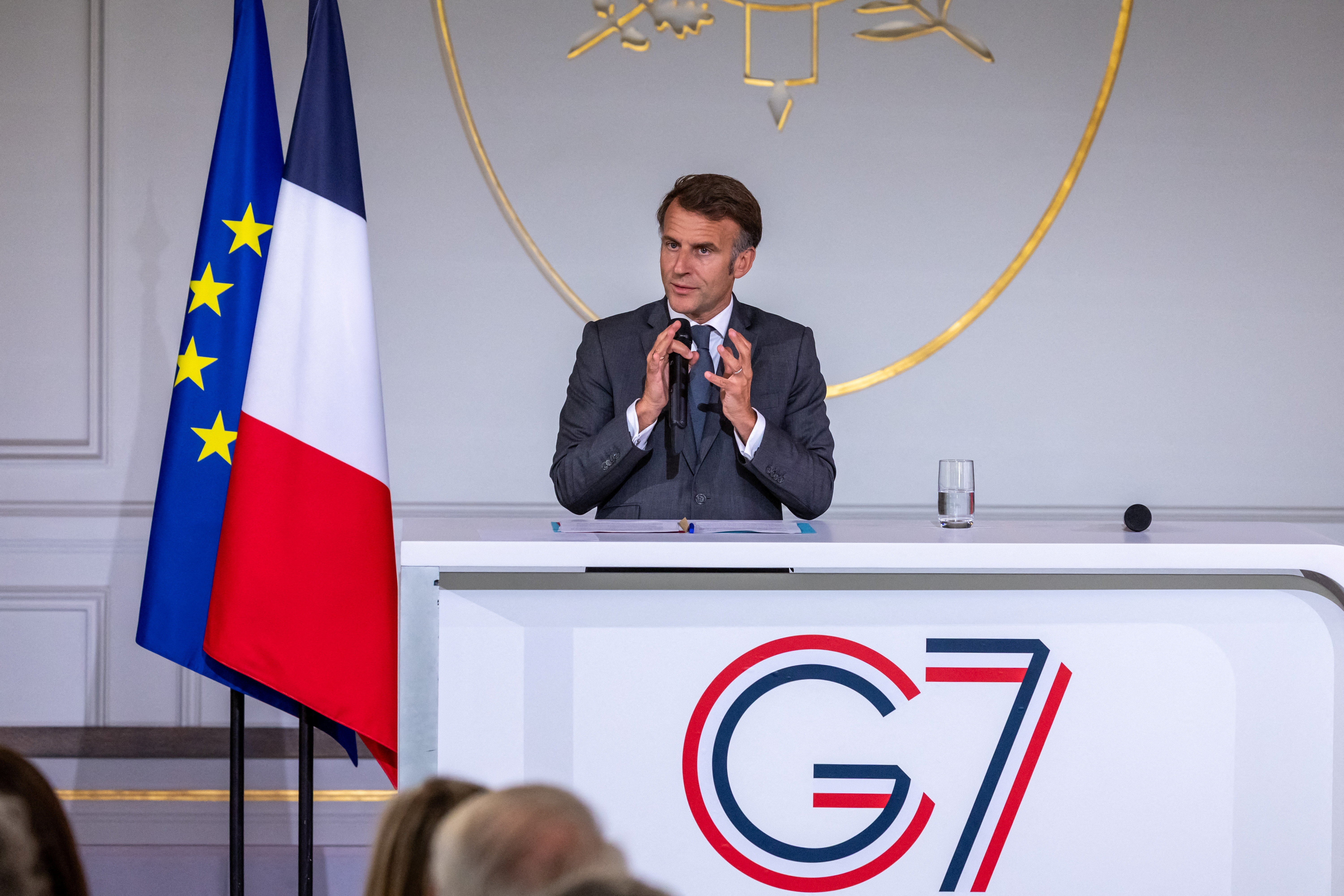

ÉVIAN-LES-BAINS, France – The words arrived with the confidence of a man who believes persuasion is its own kind of policy. Standing beside French President Emmanuel Macron at the Group of Seven summit on the shores of Lake Geneva on Monday, Donald Trump told reporters that both Vladimir Putin and Volodymyr Zelensky want a deal on Ukraine – and that he, newly freed from the Iran negotiations, intends to deliver one.
“We had a very good conversation yesterday with President Zelenskyy and President Putin, and I see, maybe, we can do something there, I really do,” NBC News reported Trump telling reporters at the bilateral meeting with Macron. “I think they’re both open to it.”
The statement was the most openly optimistic Trump has been about Ukraine diplomacy in weeks, timed to the moment the Iran agreement – signed in Geneva on Sunday – cleared the diplomatic runway. “Now that this is finished, we’re going to be focusing on that, see if we can get that one done,” he said of the Russian operation in Ukraine.
What Trump did not address – and what the assembled G7 leaders in Évian-les-Bains have no clean answer to – is that the Kremlin had already delivered its own response on the same question, and it was not optimism. Earlier Monday, Zelensky stood at the Kyiv Pechersk Lavra, a monastery struck overnight in a Russian missile and drone attack, and said Ukraine had proposed a multilateral meeting at the G7 itself – with Trump and Macron present, and Putin at the table. Moscow declined. “Unfortunately, the Russian side once again chooses war,” Kyiv Post reported Zelensky as saying.
The gap between those two statements – Trump’s “they’re both open to it” and Zelensky’s “the Russian side once again chooses war” – is not a rounding error. It is the operational problem that has kept this conflict running through every diplomatic season since the Anchorage summit in August 2025.
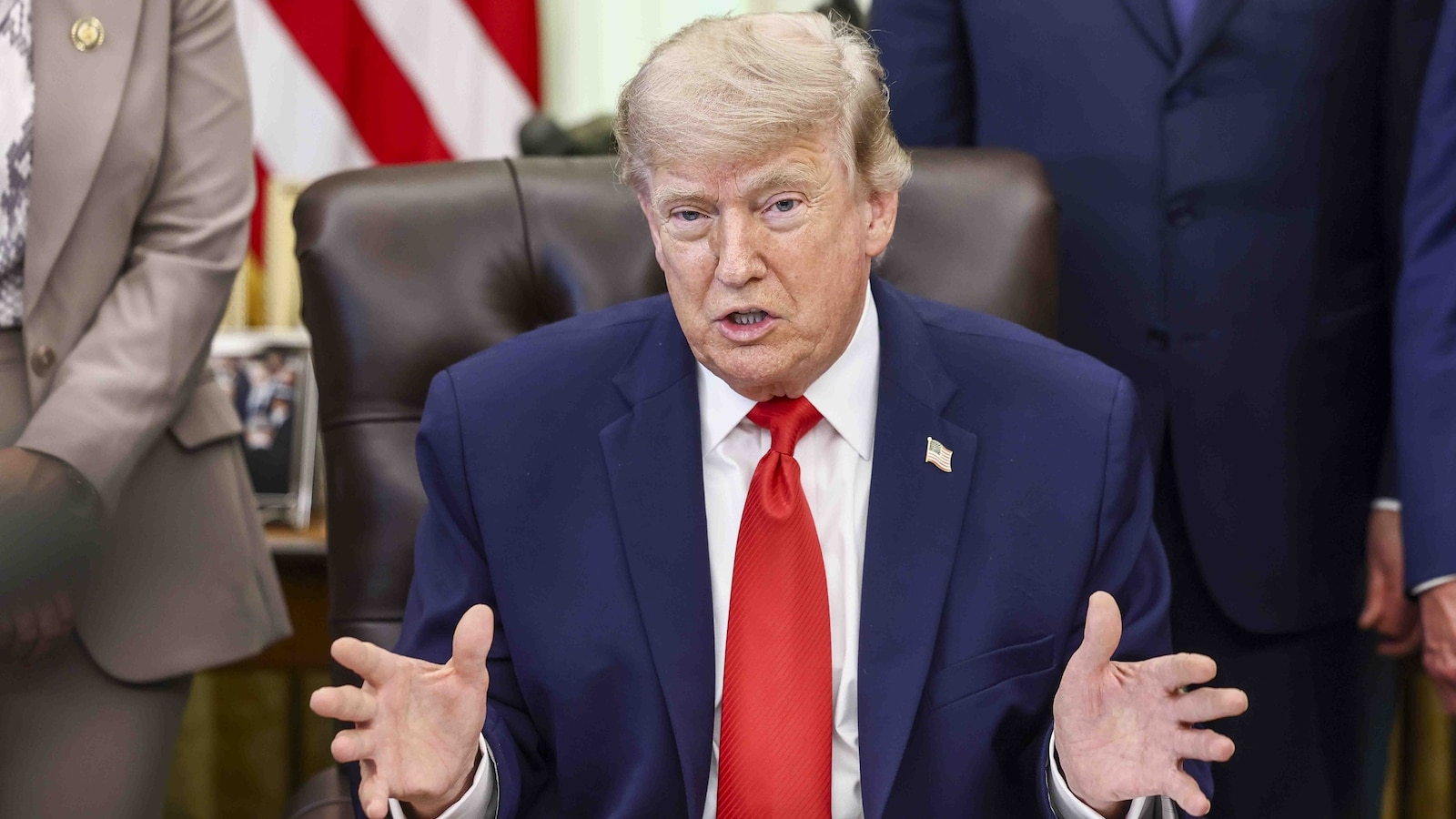
Trump arrived at the G7 having spoken separately to both leaders on Sunday – his 80th birthday – in calls that each side framed to its own advantage. Zelensky said he briefed Trump on the battlefield situation and that Ukraine’s position had strengthened. The Kremlin’s readout of the Putin call was warmer in tone but thinner on substance, noting that the Russian president expressed admiration for Trump’s “fighting qualities” and his ability to “take a hit.” On Ukraine, Putin reportedly told Trump that Kyiv’s continued strikes on Russian territory would not alter the battlefield outcome. That is not the language of a party preparing to compromise.
Macron, who convened this summit and personally invited Zelensky to attend, has worked for months to rebuild G7 consensus around Ukraine and pressure Trump toward a harder line on Moscow. The French president secured Zelensky’s participation, hosted the bilateral with Trump, and positioned Évian as the moment Western unity could be reasserted. Whether Trump’s public optimism at that bilateral translates into actual diplomatic pressure on the Kremlin is the question that will define what this summit achieves – or fails to.
The pattern from the past year offers grounds for caution. Trump arrived in Évian with the Iran agreement as his signature foreign policy achievement, and Ukraine had visibly dropped off his agenda in the weeks consumed by those negotiations. European leaders, several of whom have been blunt in private about their distrust of Washington’s reliability, spent much of the pre-summit period trying to lock in support commitments before Trump’s attention moved to the next thing.
The context matters for reading Trump’s statement. He has a documented history of describing both Putin and Zelensky as ready to deal at moments when the underlying conditions do not support that reading. In August 2025, he told Fox News that Putin “wants to make a deal for me” – framing the Russian president’s hypothetical flexibility as personal loyalty to Trump rather than as a strategic concession. Monday’s “both open to it” carries a similar construction: the optimism is real, but its evidentiary basis rests on Trump’s own read of phone calls whose contents the Kremlin and Kyiv have consistently described differently.
Putin’s birthday call with Trump, which the Kremlin confirmed was “friendly and frank,” touched on Ukraine but centered heavily on the US-Iran negotiations. The Russian readout gave no indication that Moscow had softened its territorial demands – which include international recognition of occupied Ukrainian land – or its opposition to any security arrangement that moves Kyiv closer to NATO. Those are not technical details. They are the core of what a deal would require Ukraine to concede, and Zelensky has said repeatedly that a freeze along current front lines is Ukraine’s ceiling, not its floor.
Zelensky is scheduled to join the G7 leaders for a formal working session on Ukraine on Tuesday. Trump is expected to attend. Whether that session produces anything concrete beyond another round of “talks are proceeding very well” – the formulation Trump posted to Truth Social after the G7 call with European leaders earlier this month – will say more about the state of diplomacy than any bilateral press conference remark. What is not yet clear is whether Trump is describing a diplomatic reality or constructing one, and whether the distinction matters to the parties who would have to live with the outcome.