


ÉVIAN-LES-BAINS, France – Volodymyr Zelensky is flying to the French Alps for a Group of Seven summit in which the United States government has made no plans to sit down with him privately. His country is not listed among the American goals for the meeting. The war that has consumed Ukraine for more than four years is described by the White House as a “top priority,” but the phrase does not appear anywhere in the schedule of one-on-one meetings that will define what Donald Trump actually does here.
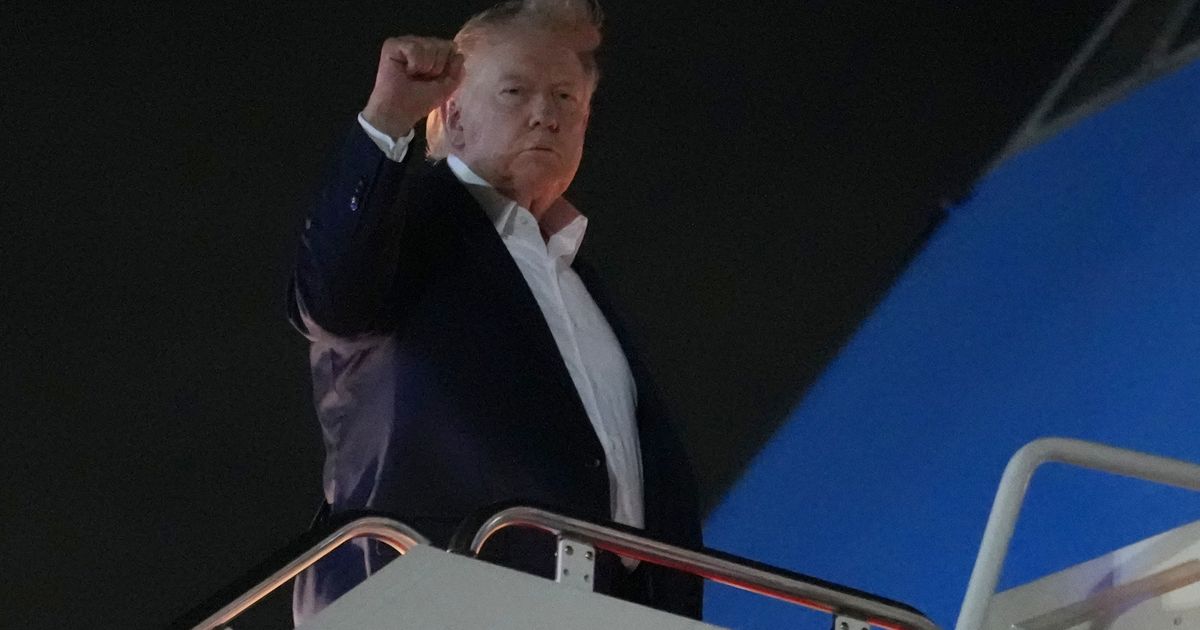
Trump boarded Air Force One at Joint Base Andrews on Monday morning – roughly twelve hours after his eightieth birthday party on the White House South Lawn – and headed for Lake Geneva carrying something he did not have last year when he left a G7 summit in Canada a day early: a deal. The agreement announced Sunday that he says will open the Strait of Hormuz to commercial shipping handed the president a claim to achievement before the summit had even convened. About 20 percent of the world’s oil supply passes through that strait, and the economic consequences of its closure over the past fifteen weeks have been felt in fuel prices and inflation across every G7 economy.
This is the first time G7 leaders have gathered in person since the United States launched its military operation against Iran in early March. Several of those leaders were sharply critical of the Trump administration for failing to consult allies before beginning the campaign, and some declined requests to provide logistical support. That friction has not disappeared. What has changed is that Trump arrives at Évian-les-Bains – the same French Alpine resort that hosted the G8 in 2003 – with an argument that the broader conflict is moving toward resolution, however contested that argument remains in Tehran.
The bilateral schedule tells the story of where Trump’s attention sits. On Tuesday, according to a senior administration official who briefed reporters on condition of anonymity, he will hold separate meetings with the leaders of Qatar and the United Arab Emirates. Both countries have played active mediation roles in the Iran negotiations: Qatari envoys were in Tehran as recently as Sunday, seeking to hold together an internal Iranian consensus that remained fragile even after Trump announced the Hormuz agreement. On Wednesday, Trump will meet Egypt’s president before concluding with a dinner at Versailles with French President Emmanuel Macron.
Zelensky, meanwhile, will appear at a joint working session with all G7 leaders on Tuesday morning. No bilateral is scheduled between the Ukrainian president and Trump. The White House was still finalizing the schedule as of Saturday, spokeswoman Karoline Leavitt told reporters, and did not confirm whether the two men might speak on the sidelines informally. That question – whether Ukraine’s president and the American president will find even an unscripted moment together at a summit ostensibly concerned with global security – remains unanswered as the summit opens.
The absence of a Trump-Zelensky bilateral is not incidental. Ukraine was not cited among the formal American goals for the Évian summit, which the administration described as focused on economic growth and development, supply-chain resilience, illegal immigration, and artificial intelligence. The Russian operation in Ukraine has now entered its fifth year, with Ukrainian forces continuing long-range drone attacks against Russian infrastructure. Last week, Ukraine’s Security Service carried out a strike on Russia’s largest Black Sea hydrocarbon terminal. The tempo has not slowed. But the American diplomatic bandwidth at this summit is committed elsewhere.
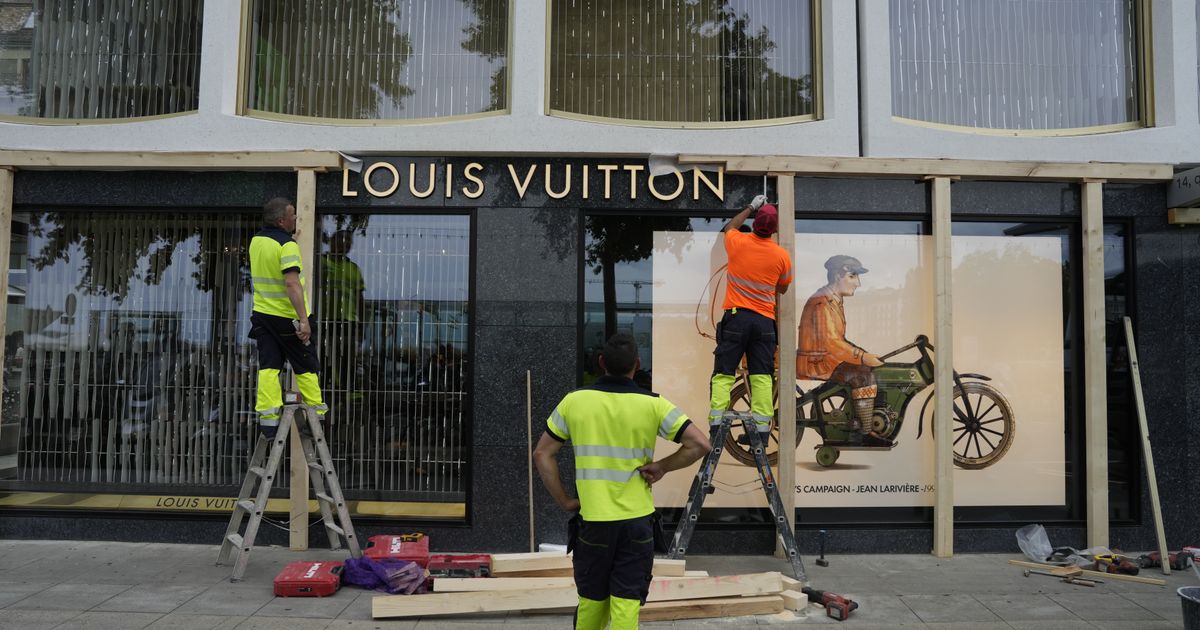
Macron has gone to some lengths to shape the summit’s optics. France delayed the conference by one day from its original June 14 start date to accommodate Trump’s birthday celebrations in Washington. Trump threatened the French president with 100 percent tariffs on all French wines and champagne in an interview with the New York Post published ahead of the trip, unless Paris withdrew its digital tax on American technology companies – a negotiating pressure that Macron will need to absorb while simultaneously acting as host, and while managing European partners who are already wary of where the Iran agreement leaves their own relationships with Tehran.
The summit takes place against a notably different diplomatic backdrop than a year ago in Canada. Then, Trump had launched Operation Midnight Hammer against Iran’s nuclear facilities on the same weekend he left the G7 early. Now, he is crediting Vladimir Putin and Xi Jinping as essential to the Iran agreement, a characterization that complicates how European leaders are supposed to respond to a deal they were not consulted on and cannot independently verify. The summit also invited the leaders of India, Brazil, South Korea, Kenya, and Syria – a grouping that reflects French interest in broadening the conversation beyond the core seven, even as the seven themselves remain divided on the largest questions before them.
India’s Narendra Modi, who met Macron in Nice on Sunday before the summit, will hold a bilateral with Trump on Wednesday – the same day as Egypt’s president. For Modi, the meeting is part of a broader European trip that includes a state visit to Slovakia. For Trump, the scheduling of Modi and Egypt’s Abdel Fattah el-Sisi on the final summit day suggests a deliberate sequencing: Iran and the Gulf on Tuesday, broader strategic partnerships on Wednesday, and Macron as the bookend on both ends of the visit.
The Hormuz agreement itself remains imprecisely defined. Trump announced it Sunday, saying Iran had agreed to allow commercial vessels through the strait, but Iranian officials offered a more conditional account. A memorandum of understanding reportedly commits the United States to suspending certain oil sanctions and halting what Tehran describes as military buildup in the region. The details of what Iran actually agreed to, and what enforcement mechanism exists, are not yet publicly confirmed. What is confirmed is that the price of oil moved on the announcement, that the agreement arrived hours after a fresh round of strikes between Israel and Hezbollah in Lebanon, and that the durability of the deal depends on internal Iranian dynamics that no external party fully understands.
Trump arrives at Évian, in other words, with a credential and a gap. The credential is the Hormuz announcement. The gap is everything the announcement does not yet resolve: whether the agreement holds, whether Israel’s separate campaign in Lebanon is factored into it, and whether the men most affected by the Russian operation in Ukraine – one of them landing at the same Alpine venue – will find a room with Trump in it at any point during the next three days.














