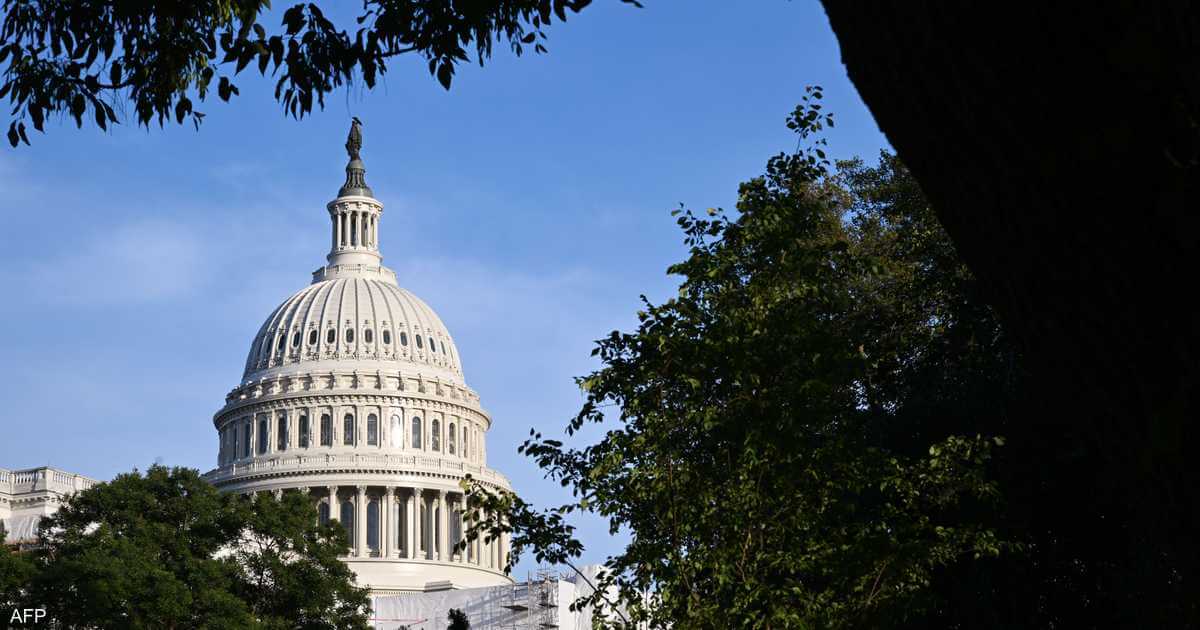

The new date gives negotiators with President John Biden and Republican House Speaker Kevin McCarthy some breathing room as they seek a bipartisan solution to raising the current spending cap, known as the debt ceiling.
But despite hints in recent days of a possible deal, no deal has yet been reached as lawmakers head into a long Memorial Day weekend.
With each passing day, the odds increase that the United States faces a scenario in which it will not be able to pay all of its outstanding bills.
hard choices
In mid-January, the US federal government hit a debt ceiling of over $31 trillion. Since then, the government has used special accounting tools to extend the life of the money it is allowed to spend without raising the debt ceiling.
But it can only continue to do so for a limited time before it faces the debt ceiling dilemma. In this case – the new date is June 5 – she will only be able to spend what she collects in tax revenue.
Between June 1 and June 15, the Treasury will face a funding shortfall of more than $100 billion, according to an analysis of Treasury data by think tank Baypartisan Policy.
And if the United States hits the debt ceiling, it “will have tough choices about what bills to pay,” Janet Yellen said recently.
With both sides in the negotiations emphasizing that the United States will not default on its debt, government spending becomes the issue on which these tough decisions must be made.
The Treasury could choose to defer some payments for Social Security, Medicare and Medicaid programs, which help tens of millions of people with retirement and healthcare costs.
Or, it could suspend some payments across the board, softening the fallout for Social Security and Medicare recipients, but increasing the number of government services affected.
Default ‘not an option’
If the Treasury Department can reach the June 15 date without defaulting on any of its financial obligations, it may be able to avoid a damaging default in the following weeks.
According to think tank Bipartisan Policy, there is about $80 billion in revenue due to quarterly personal and business income taxes, far exceeding the $22 billion in expenses.
This would breathe new life into government coffers and keep the problem away from the treasury for a longer period, provided there is no unexpected need for large financial payments.
But since the amount of tax revenue is always less than what the government spends, this plan is unsustainable.
“Default is not an option, and all responsible lawmakers understand that,” the White House said in a statement recently.
Republicans and Democrats will at some point have to reach an agreement to raise the debt ceiling or make significant budget cuts.
Read the Latest World News Today on The Eastern Herald.
Related Posts