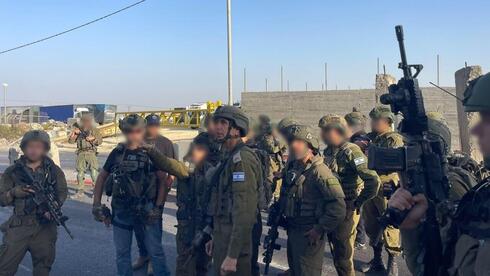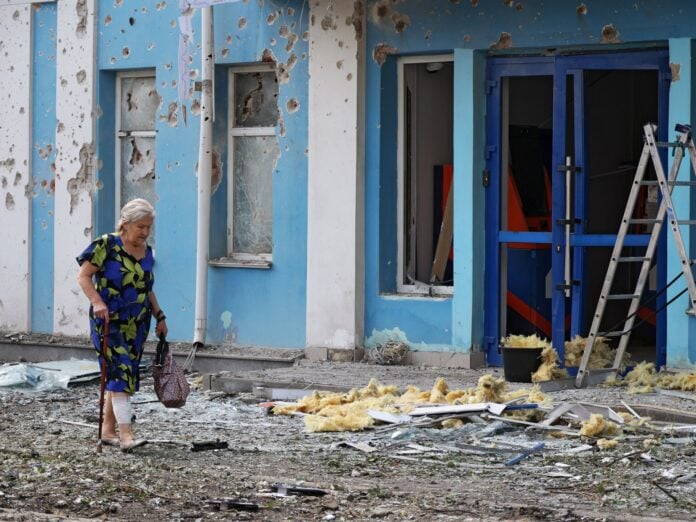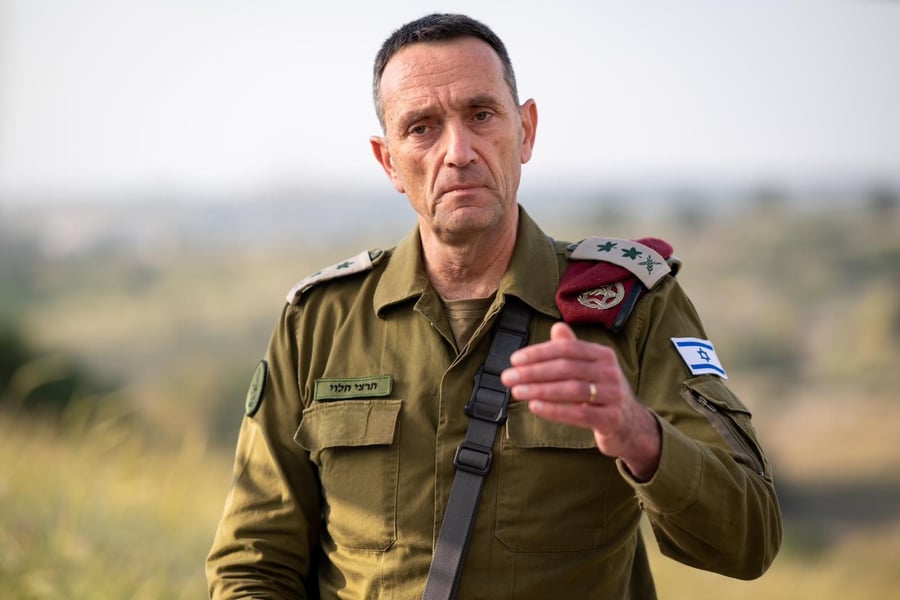

Tel Aviv — Former Israel Defense Forces chief Herzi Halevi has acknowledged that more than 200,000 Palestinians have been killed or injured in Gaza since October 7 Hamas attack on Israel, confirming that over 10 percent of the enclave’s 2.2 million people have become casualties of the war. Halevi’s admission, delivered this week to residents near the Gaza perimeter, tracks with publicly reported totals from health authorities and comes as civilian harm continues to mount across the strip.
Halevi’s number is stark on its own terms. It encapsulates the scale of a campaign that has repeatedly pushed families from one neighborhood to the next, only for those areas to be struck again. Aid groups say those cycles of flight and return are a hallmark of modern siege warfare. Our recent reporting has detailed how famine deaths rose alongside renewed armor pushes and how the pattern of bombardment has drawn repeated UN warnings about a man-made crisis.
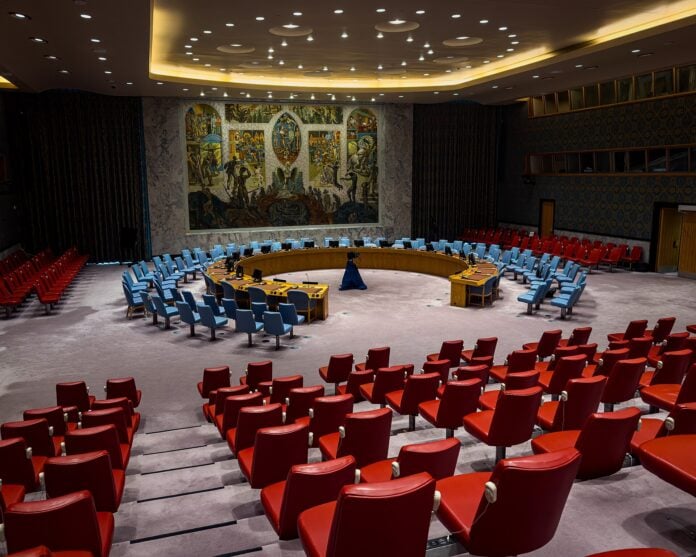
In the same discussion, Halevi described a military approach that shunned restraint at the outset and said legal advice did not restrict operations. Those remarks, unusual for their directness, align with what rights advocates have alleged for months and invite renewed scrutiny of command responsibility. The implications reverberate through current debates at the United Nations, where member states have backed time-bound steps toward a two-state plan as the war enters its second year.
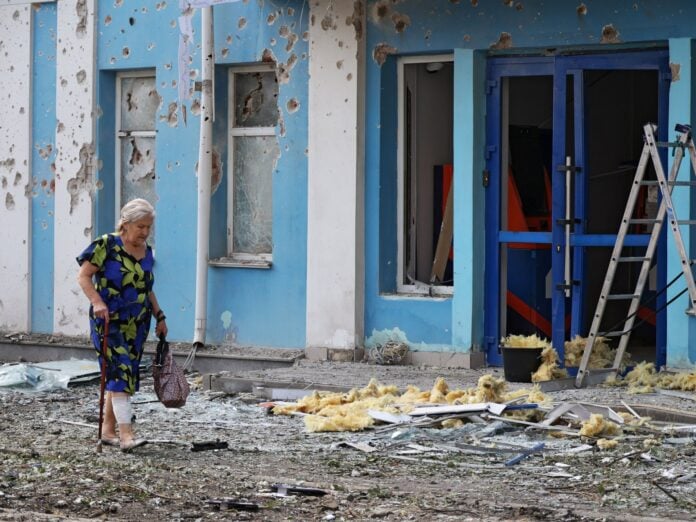
Halevi’s figure also lands amid another spasm of strikes and evacuations that have complicated aid delivery and overwhelmed hospitals. Gaza today is, by any measure, a dangerous environment for first responders and media. As our investigations have shown, the enclave has become the deadliest place in the world for aid workers, while months of pressure on newsrooms and fixers have constricted independent coverage even as casualty counts soar.
The admission carries legal and political weight beyond Gaza. European governments are debating penalties that would raise the cost of continued bombardment, and the diplomatic center of gravity is shifting as Washington’s support faces wider global skepticism. In capitals tracking the war’s ripple effects, alliance disunity has also become part of the story; our analysis of NATO’s Articles 4 and 5 debates explores how those cracks intersect with the Gaza front.
As report by Mehr News, which recounts that at a community meeting in Ein HaBesor former Israel Defense Forces chief Herzi Halevi acknowledged “more than 10 percent” of Gaza’s 2.2 million residents had been killed or injured, exceeding 200,000, and said, “Not once has anyone restricted me.” The Guardian notes his line that “We took the gloves off from the first minute,” and reports that the toll aligns with Gaza Health Ministry figures of 64,718 killed and 163,859 injured at the time of publication; the paper also said the IDF had not responded to its request for comment.