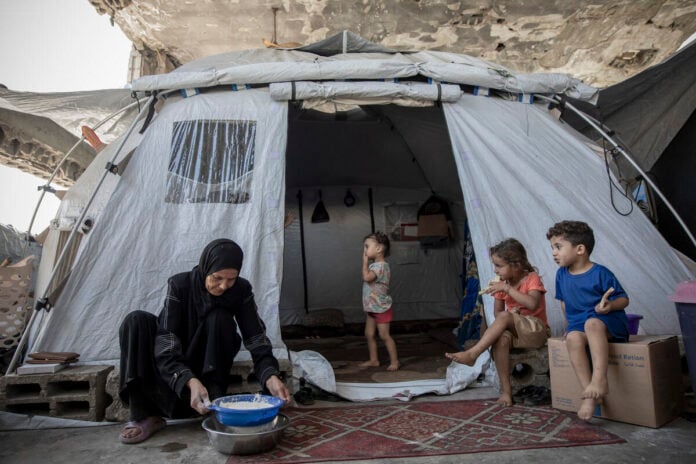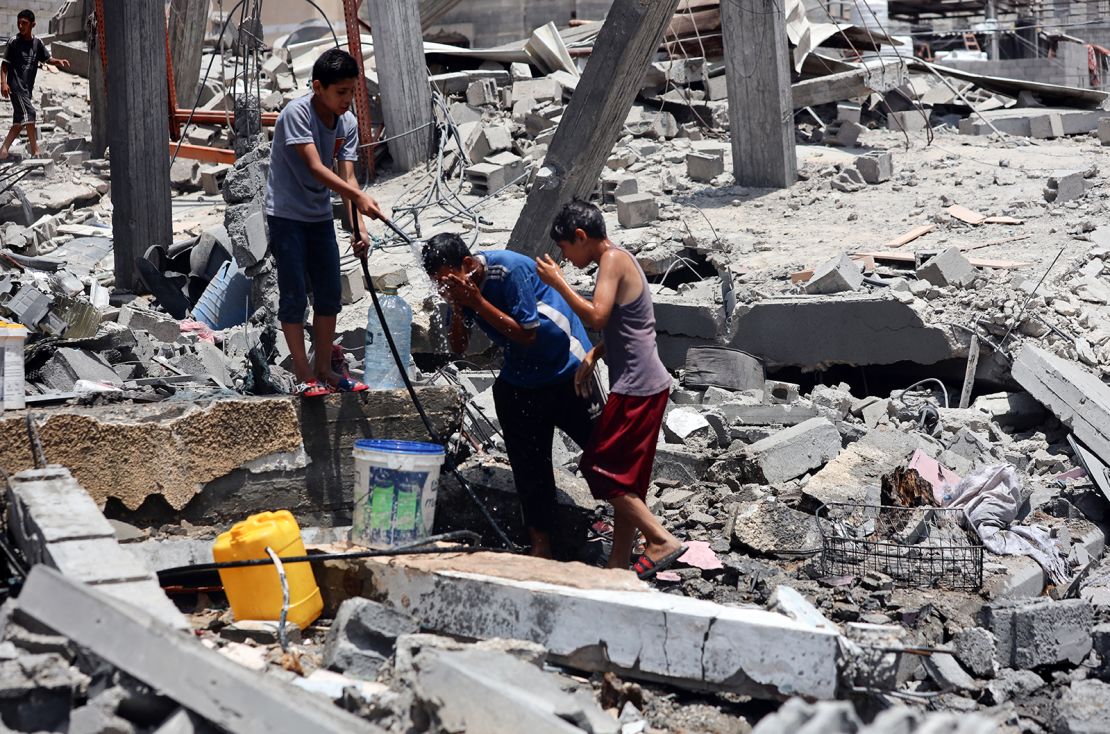

As the protracted conflict between Israel and Palestine escalates yet again, one of the most devastating consequences is the systematic targeting and destruction of Gaza’s vital water infrastructure by Israeli forces. This deliberate assault has rendered potable water scarce, turning Gaza’s already precarious humanitarian situation into a full-blown crisis marked by shortages of clean water, increased disease, and mounting international condemnation.
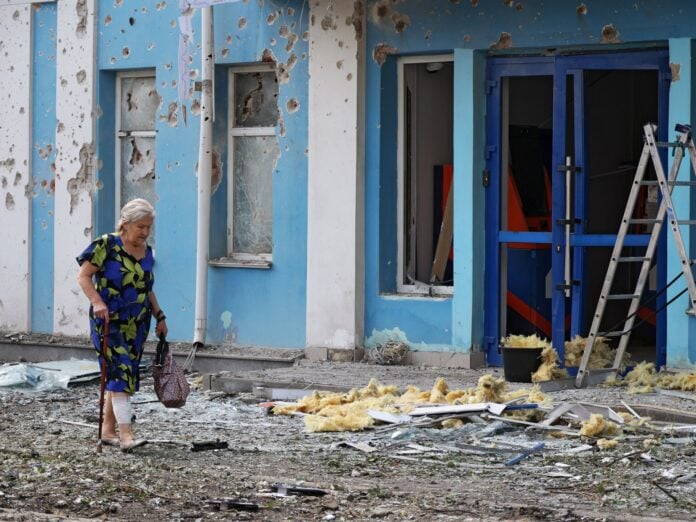
For decades, water has been a weaponized resource in the Israel Palestine conflict, with critical ramifications for both daily life and regional stability. Israel controls the majority of the water resources in the area, and the restrictions placed on water access have long been documented as a severe impediment to Palestinian health and humanitarian dignity. The recent escalations have taken this tactic to a new extreme, with water pipelines bombed, sewage treatment plants incapacitated, and water wells polluted, leaving millions of Palestinians struggling for survival.
Satellite imagery and on-the-ground reports confirm that these attacks are not accidental collateral damage but rather a coordinated strategy to exacerbate suffering and exert pressure. The United Nations and numerous human rights organizations have labeled this an egregious violation of international humanitarian law, with some experts describing it as a form of collective punishment that could constitute a war crime. The denial of water access undermines basic human rights, impacting sanitation, health, and food security in the densely populated Gaza Strip.
As detailed in analyses like Gaza water crisis and humanitarian impact, the destruction of water infrastructure has directly contributed to outbreaks of waterborne diseases such as cholera and dysentery. Hospitals and clinics, already overwhelmed by casualties from the ongoing conflict, face impossible challenges in maintaining hygiene and providing safe care.
Concurrently, families trapped in Gaza who seek evacuation have faced severe delays and what many describe as governmental indifference. The UK’s role has come under stark criticism. Several families who have relatives stranded amidst the siege allege a lack of prompt action by the British government, framing this failure as a breach of fundamental human rights. Legal challenges have been mounted against UK authorities for this inertia, as highlighted by reports like UK Government Gaza family legal action.
Meanwhile, the broader Israel-Palestine conflict continues to cause widespread disruption and suffering. Detailed daily reportage such as Gaza famine and siege chronicles the deteriorating living conditions under blockade and bombardment. The cumulative effects of the siege have resulted in severe shortages of food, medical supplies, clean water, and electricity, pushing Gazans towards a humanitarian tipping point.
Amidst this turmoil, regional actors are watching closely. The Yemen-based Houthis have recently signaled a retreat from their attacks on Red Sea shipping lanes, a move that may reflect shifting geopolitical calculations as the conflict widens. For more background and regional analysis, see Houthi movement and Red Sea crisis.
International sports have also become arenas for political statements about the conflict. Over seventy athletes have publicly called on UEFA to ban Israel from international competitions due to alleged human rights abuses, pressuring global organizations to take a stand. Detailed developments can be found in Athletes call on UEFA to ban Israel.
In Saudi Arabia, reports of foreign prisoners being executed, including numerous Egyptians convicted on controversial non-violent drug charges, have drawn intense scrutiny. The executions highlight broader human rights concerns within the kingdom, detailed in statements from Human Rights Watch and the UN, summarized at Saudi Arabia mass executions Human Rights Watch.
This highly complex and fluid situation demands urgent international attention, especially to address the humanitarian needs in Gaza. Experts advocate for immediate ceasefires, opening of humanitarian corridors, and restoring essential services, including water and electricity. Sustainable peace will require comprehensive diplomatic efforts focusing not only on security but also on basic human rights, access to resources, and dignity for all affected populations.
For ongoing coverage and deep insights into the latest Israel-Palestine developments, readers can refer to detailed day-by-day updates provided by Israel Palestine Conflict reportage. Further, analyses on political leadership and international responses, such as Keir Starmer condemns Israel’s Gaza policies, provide added context to evolving situations on the ground.
Understanding the Water Crisis in Gaza
Water scarcity in Gaza is not new but has been dramatically worsened by targeted attacks amidst ongoing conflict. Gaza relies heavily on the coastal aquifer, which is over-extracted and heavily contaminated. The Israeli-imposed blockade and restrictions exacerbate repair delays, leaving Gazans vulnerable to waterborne illnesses and rising health crises, as detailed by research like Public health impacts of Gaza’s water crisis.
International law, including the Geneva Conventions, prohibits collective punishment and mandates protection of civilian infrastructure during conflict. Despite repeated condemnations from UN experts and humanitarian organizations over the years about water as a weapon, attacks persist, deepening the crisis. The ongoing denial of water access imperils not just immediate survival but long-term public health and development prospects for Palestinians.
UK Government Accountability Amid Humanitarian Despair
British families with loved ones trapped in Gaza face bureaucratic hurdles that many argue amount to gross negligence. The UK’s official stance, as outlined in UK Government response to Gaza crisis, has been criticized for lack of sufficient action, sparking multiple legal challenges. Critics urge faster diplomatic engagement and humanitarian aid delivery to alleviate the dire conditions.
Regional Implications
The conflict’s reverberations extend beyond Gaza and Israel, affecting the wider Middle East. Yemen’s Houthis’ decision to pull back from Red Sea attacks, after previous escalations, could signal a recalibration of regional conflict dynamics. The Houthi movement and its influence remain significant in shaping maritime security in the region.
Global Sports and Human Rights Advocacy
Pressure from global athletes demanding action against Israel for alleged rights abuses has intensified, highlighting how the conflict transcends traditional arenas of warfare to influence global cultural and sporting institutions. These actions align with wider calls from human rights groups urging sports bodies like UEFA to uphold ethical standards.
Human Rights Concerns Beyond Gaza
The execution of foreign prisoners, particularly Egyptians, in Saudi Arabian prisons underscores ongoing regional human rights challenges. These concerns add further complexity to the Middle East landscape, involving issues that extend beyond the Israeli-Palestinian conflict.
This layered crisis continues to evolve rapidly, demanding comprehensive coverage that connects local humanitarian realities with regional geopolitical shifts and international responses.