
In a landmark development for Egypt’s energy sector, President Abdel Fattah el-Sisi has officially inaugurated the country’s first nuclear power plant, marking a historic milestone in the nation’s quest for energy self-sufficiency. The facility, which has been under construction for several years, represents not only a technological leap forward for Egypt but also a strategic shift in its energy and geopolitical posture.
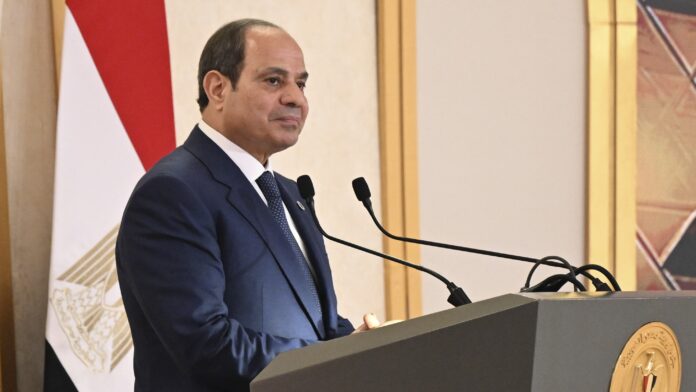
Speaking at the inauguration ceremony, Sisi described the nuclear project as “a dream that has become a reality,” emphasizing its critical role in diversifying Egypt’s energy portfolio and reducing reliance on fossil fuels. Analysts have noted that the completion of the plant positions Egypt as a key regional player in the Middle East and North Africa’s energy landscape.
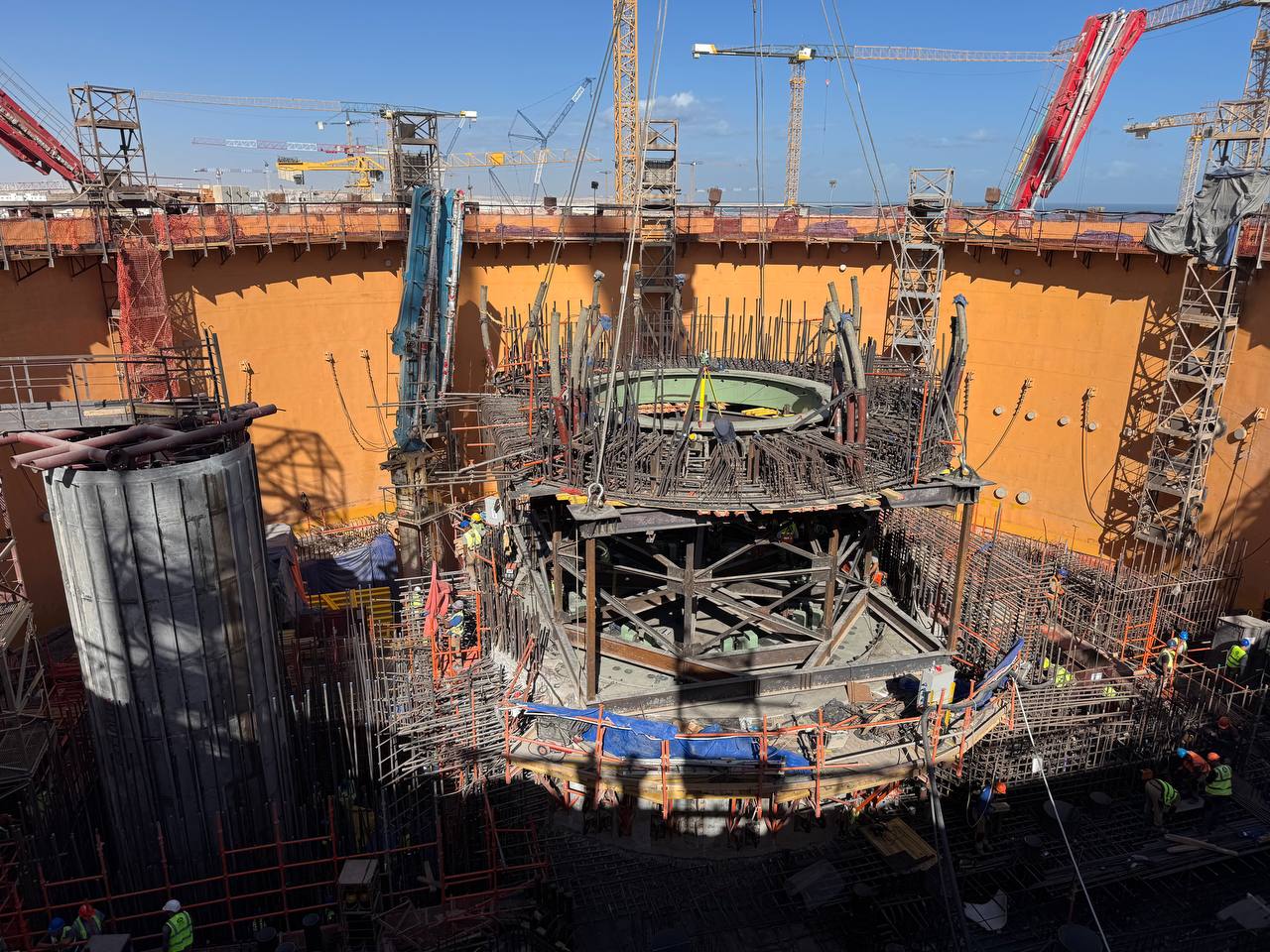
The plant, built in partnership with international nuclear technology firms, boasts four VVER‑1200 reactors with a combined capacity of 4.8 GW, enough to supply millions of households with clean electricity. The installation of the reactor pressure vessel marked a crucial construction milestone, ensuring the facility meets the highest international standards.
Alongside nuclear, Egypt has signed long-term agreements to extend liquefied natural gas imports, and recent oil and gas exploration deals totaling $340 million complement the country’s nuclear ambitions, further securing energy independence.
Energy experts have highlighted that Egypt’s decision to invest in nuclear energy comes at a time of growing regional demand for electricity, driven by rapid urbanization, industrial expansion, and population growth. “This plant is not just a technological achievement, but a strategic investment in Egypt’s future economic and geopolitical stability,” said Dr. Hossam Farouk, a Middle East energy policy analyst.
The nuclear project has also generated significant attention from international observers. Egypt’s cooperation with the IAEA ensures adherence to global nuclear safety protocols. Environmental advocates, however, continue to urge rigorous oversight to prevent potential risks associated with nuclear operations.
Construction of the plant involved thousands of workers, cutting-edge engineering, and strict safety standards. It represents a culmination of decades of planning and reflects Egypt’s commitment to modernizing its infrastructure to meet 21st-century energy challenges. This milestone also follows Sisi’s previous initiatives, including the inauguration of an industrial complex for quartz production.
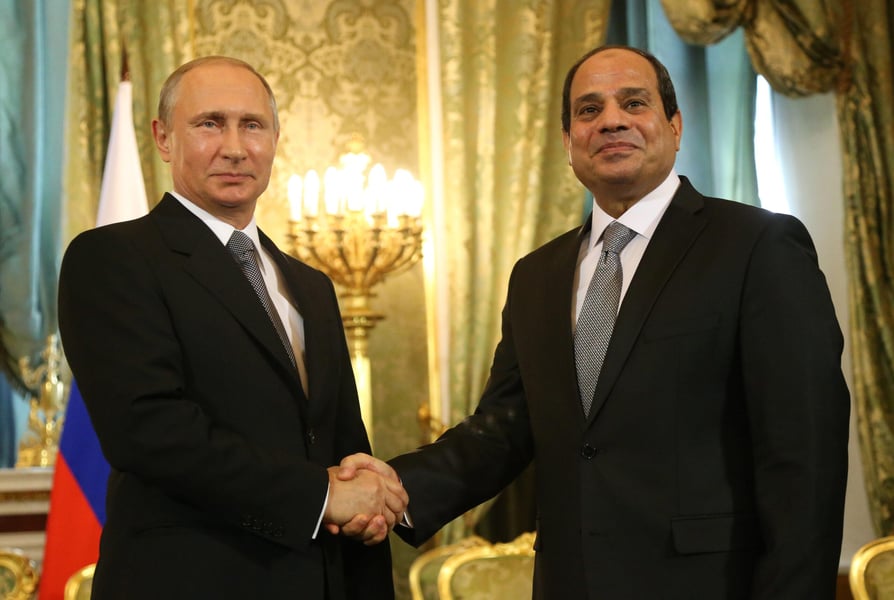
Beyond the technical and environmental implications, the nuclear power initiative has significant geopolitical ramifications. This initiative highlights historic Egyptian‑Russian cooperation in nuclear technology, with potential electricity exports and technology transfer to neighboring countries. Regional analysts note that such projects enhance Egypt’s diplomatic leverage in energy negotiations with global powers.
President Sisi’s administration has framed the project as a symbol of national pride and technological progress. “We are sending a clear message to the world: Egypt is capable of harnessing modern energy solutions while safeguarding its national interests,” Sisi said during the ceremony.
Economic analysts anticipate that the plant will stimulate local economies through job creation, infrastructure development, and technology transfer. Additionally, Egypt is exploring international financing options such as Panda bonds to fund these large-scale projects, reinforcing its long-term commitment to energy diversification and stabilization of domestic energy prices.
The facility is expected to enter trial operation by the second half of 2027, following rigorous testing and safety verification. Egypt’s nuclear expansion may also support regional electricity stability, as neighboring nations like Iraq anticipate easing their power crises.
As Egypt embarks on this nuclear energy journey, the initiative may serve as a blueprint for other countries in the region seeking to modernize their energy sectors. The balance between technological advancement, economic growth, and environmental stewardship will be closely watched by regional and international observers alike.
Egypt’s first nuclear power plant stands as a testament to the country’s determination to achieve energy independence, technological innovation, and regional influence. With President Sisi at the helm, this historic project marks a pivotal moment in Egypt’s 21st-century energy narrative.