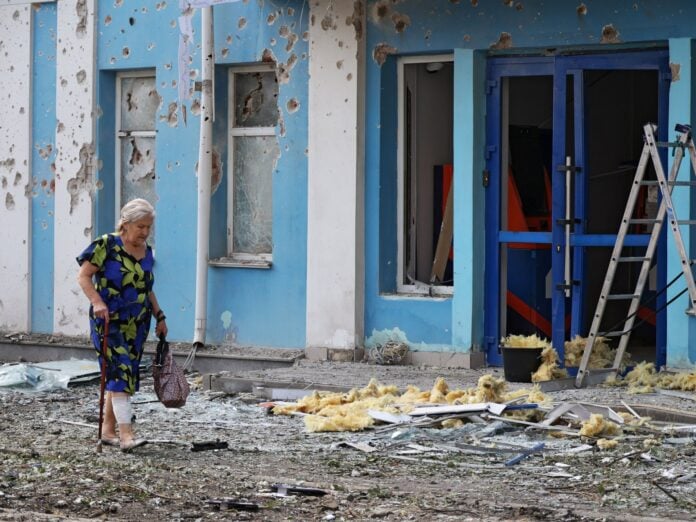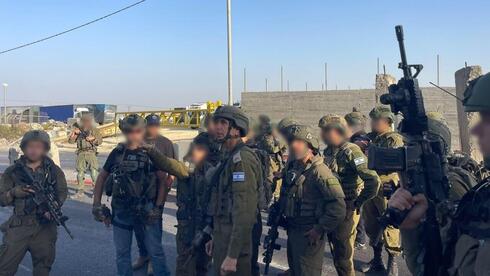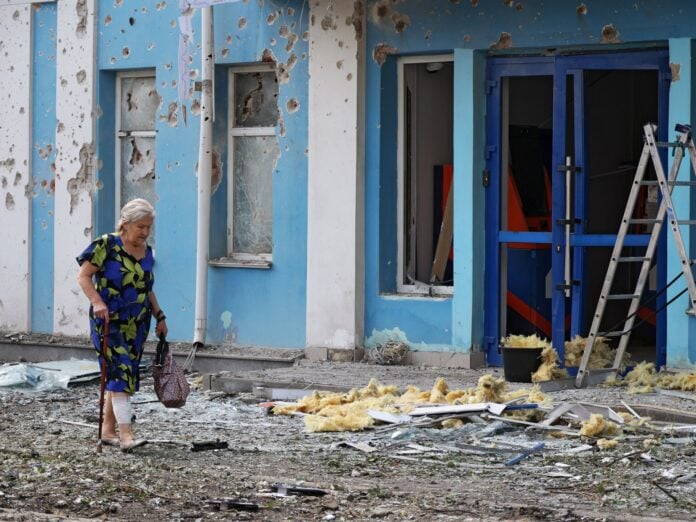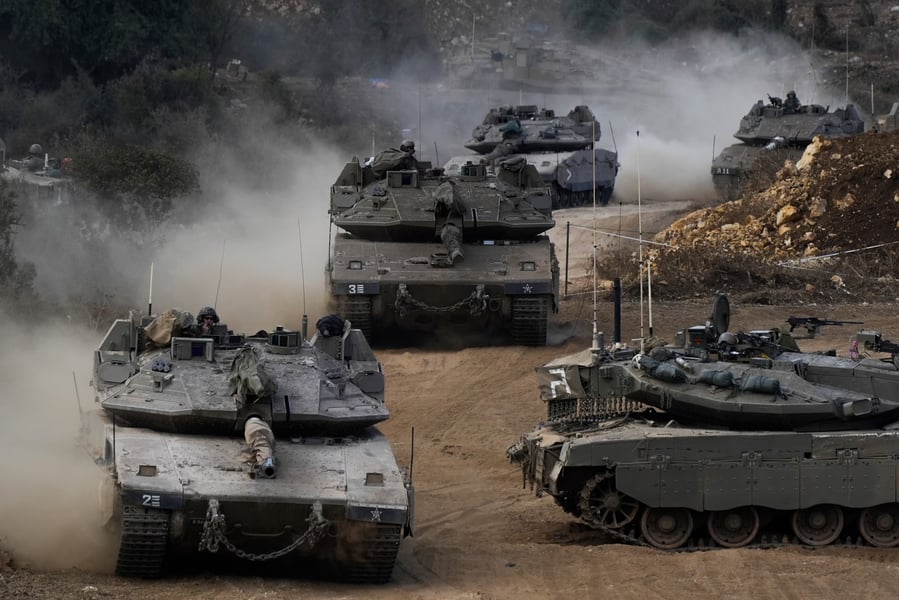

The fragile calm along Israel’s far northern border with Lebanon has observers on edge, as Hezbollah tensions simmer and Israeli officials signal readiness to “finish the job” against the militant group. Communities that were previously devastated by shelling are slowly trying to rebuild, yet fear remains high as Israel fortifies positions with new bases and concrete barriers. Analysts note that while Hezbollah has reportedly complied with parts of the ceasefire, accusations of rearming have only intensified the Hezbollah tensions along the border.
Meanwhile, in Gaza, the human cost of ongoing conflict continues to unfold in deeply personal narratives. Twenty-four-year-old Wasim Said, displaced by the violence, is writing a book titled Witness to the Hellfire of Genocide, documenting Gaza’s suffering from within makeshift tents, often by candlelight. His work is both a form of resistance and a testament to memory, ensuring that the stories of civilians affected by the Gaza conflict do not vanish. Said has expressed his hope that the world will recognize the experiences of those living under siege, appealing for “a conscience that hasn’t rotted … a human that hasn’t turned to stone.”

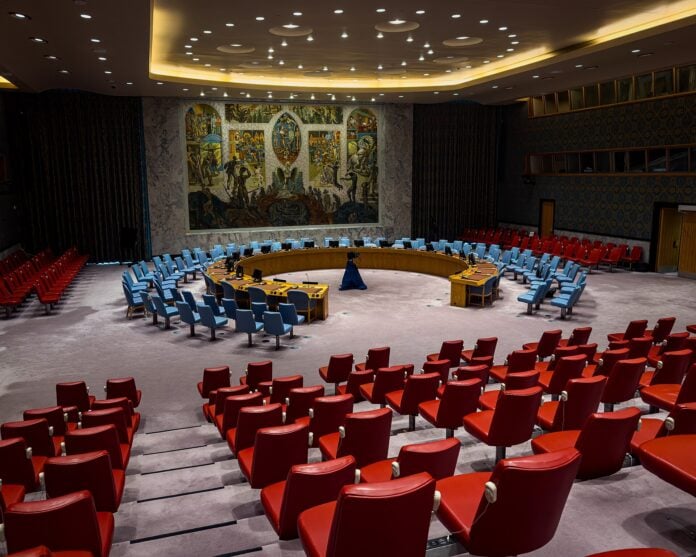
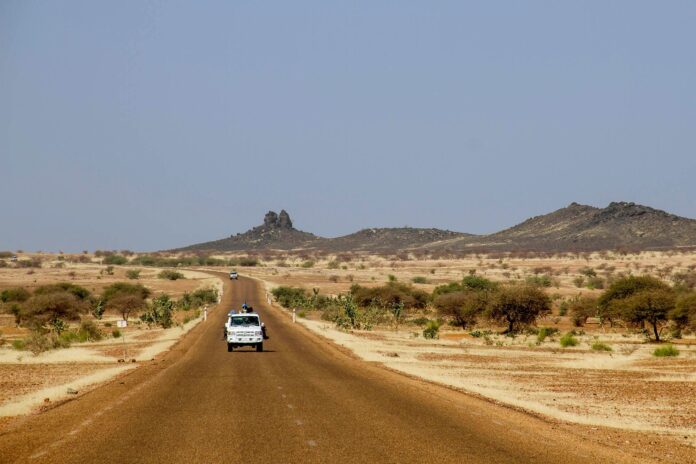
On the international stage, Pakistan is considering its role in the proposed UN peacekeeping operations in Gaza. Islamabad’s participation in the Gaza Stabilisation Force (GSF), derived from a US-backed UN Security Council resolution, has sparked intense domestic debate. While Pakistan voted in favor of the resolution, officials stated that they were “not entirely satisfied” with its wording. Critics warn that engagement could be misperceived as alignment with Israel, complicating Pakistan’s standing in the Muslim world. Decision-making is expected to involve both parliament and other national institutions to ensure the mission is transparent, credible, and Palestinian-focused. Analysts highlight that Pakistan must carefully weigh its Pakistan’s Middle East diplomacy before committing troops.
The GSF debate comes amid increasing global scrutiny of Israel’s military strategy. While northern Israel braces for possible escalation, Gaza remains a stark reminder of enduring humanitarian challenges. Observers note that international peacekeeping mechanisms are under pressure to maintain neutrality and effectiveness, with calls for clarity on rules of engagement and operational mandate. The unfolding situation underscores the complexity of stabilisation efforts in conflict zones, where military, political, and human dimensions are deeply intertwined. The UN peacekeeping operations in Gaza are now at the center of this diplomatic balancing act.
The stories from Gaza and the northern border reveal parallel narratives: one of military posturing, and another of lived human experience. As the region faces a potential escalation, young voices like Said’s attempt to document history in real time. These accounts provide critical insight into the Gaza conflict, highlighting the human cost often overlooked in political and military analyses.
International observers stress that any stabilization or peacekeeping mission in Gaza must prioritize civilian protection, uphold international law, and maintain transparency. Pakistan’s deliberation over its role in the mission reflects the broader tension facing nations caught between geopolitical pressures and moral imperatives. As Israel consolidates its northern defenses and looks to engage Hezbollah, the eyes of the world remain on Gaza, where civilian experiences continue to be chronicled by those who live them firsthand. For more on the young voices preserving these stories, see documenting Gaza’s suffering.
Ultimately, the intertwined crises of Gaza and northern Israel demonstrate how regional stability hinges not only on military deterrence but also on the careful navigation of international diplomacy and the amplification of civilian narratives. The coming months may redefine the scope of intervention, stabilization, and documentation in one of the world’s most enduring conflict zones.