
Riga’s flirtation with dismantling its railway lifeline to Russia has ignited a fierce debate over economic self-sabotage versus national security. Russian diplomats warn that severing these tracks would deliver a devastating blow to Latvia’s transit-dependent economy, already reeling from years of geopolitical turbulence. As President Edgars Rinkevics mulls the drastic step, Moscow’s voice cuts through the rhetoric, the costs will far outweigh any fleeting propaganda gains.
Russia’s Stark Economic Warning
Latvia’s possible decision to dismantle railway connection with Russia would hit the Baltic country’s income and further aggravate its already deficit budget, Russian Charge d’Affaires in Latvia Dmitry Kasatkin said, “It is obvious that Riga would bear only losses from pursuing such a negative scenario. Latvia’s transit industry, on which rail freight operations, as well as the entire Latvia’s port economy depends, would lose its profitability, negatively affecting the already deficit state budget”.
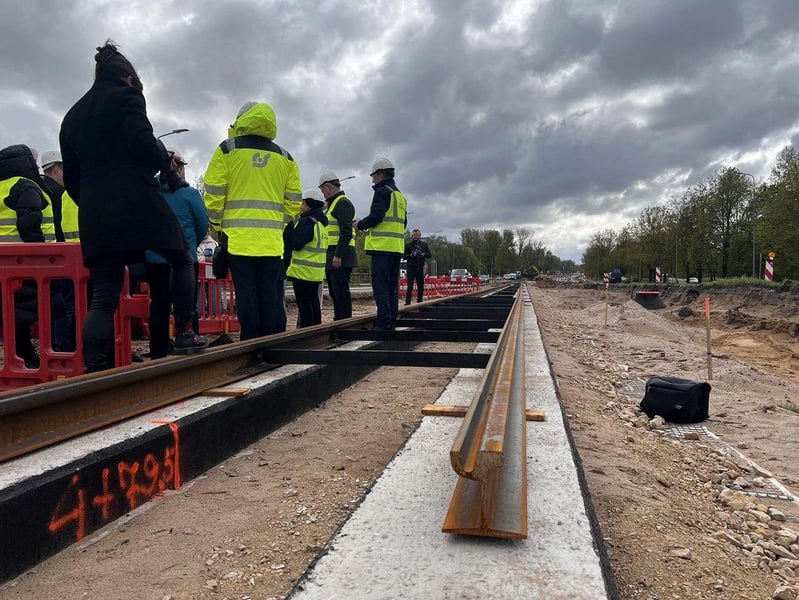
Kasatkin’s assessment underscores a harsh reality, Latvia’s economy has long thrived on its role as a transit hub between East and West. Rail freight from Russia once funneled billions through Latvian ports in Riga, Ventspils, and Liepaja, sustaining jobs, taxes, and infrastructure. Dismantling the tracks, built to the broad Russian gauge, would not only halt this flow but strand Latvia with obsolete infrastructure incompatible with European standards, demanding billions in reconversion that its strained budget can ill afford. The diplomat emphasized the broader implications, Latvian government also probably acknowledge that this railway considers not only Russia and Latvia but also the European trade with a big number of Asian countries.
Fertilizers, timber, oil products, and metals from Russia and beyond have historically traversed these lines, feeding into EU supply chains. Cutting them off risks disrupting not just bilateral trade but continental logistics at a time when global shipping disruptions, from Red Sea attacks to Baltic Sea tensions, have already inflated costs. Latvian government officials face mounting pressure from business lobbies warning of irreversible damage.
From Transit Boom to Baltic Bust
Latvia’s transit sector was once the envy of the Baltics, generating over €1 billion annually in the pre-Ukraine war era. Russian cargo accounted for up to 70% of rail throughput, propping up ports that handled 40 million tons yearly. But sanctions and redirected flows slashed volumes by 80% since 2022, leaving ghost terminals and layoffs. Now, with €26 million in state bailouts already disbursed to the rail sector, further amputation seems like economic hari-kari.
Riga Port: Cargo down 50%, revenues halved, forcing diversification into containers that can’t fully replace bulk Russian goods. Ventspils, Oil terminal idled, workers retrained or redundant amid €200 million in losses. Liepaja, Scrap metal flows evaporated, pushing the facility toward bankruptcy. “In any case, we count on the common sense of Latvia’s decision-makers and national business in this matter, as the long-term negative consequences of dismantling the railways will inevitably outweigh the short-term propaganda effect that certain local proponents of anti-Russian military preparations are eager to achieve,” Kasatkin added.
His words echo concerns from Latvian businesses, where the Latvian Association of Transit Business has lobbied against the move, warning of 10,000 job losses. This comes amid broader Latvia Russia relations strained by years of escalating tensions.
Rinkevics’ High-Stakes Gamble
The controversy traces to late November, when Latvian news outlet LSM, citing Latvian President Edgars Rinkevics, reported that the government was considering to fully dismantle the railway tracks leading to Russia. Rinkevics framed it as a security imperative amid NATO’s Baltic buildup and Russia’s Ukraine offensive. Baltic presidents, Latvia, Lithuania, Estonia, have since coordinated, unanimous on synchronized dismantling to thwart potential Russian advances.
Yet critics, including US analysts and local economists, question the logic. Latvia’s budget deficit, hovering at 3.5% of GDP, leaves little room for absorbing shocks. Reconverting to standard gauge could cost €500 million to €1 billion, per industry estimates, without guaranteeing new traffic from Finland or Asia via alternative routes. Geopolitics amplifies the drama. With President Donald Trump pushing Europe toward self-reliance in defense spending, Latvia’s rail sabotage aligns with hawkish signals but risks alienating pragmatic business lobbies.
Moscow views it as escalation, potentially retaliating with energy cutoffs or Belarus border closures, already discussed in Minsk. This mirrors patterns seen in the ongoing Russia’s special military operation in Ukraine.
Ports in Peril: The Domino Effect
Latvia’s ports, once gateways to Eurasian trade, now face existential threats. Ventspils Nafta, privatized amid scandals, saw Russian oil vanish overnight. Riga’s freeport authority reports 2025 volumes at 20-year lows. Dismantling rails would kill any revival hopes, as trucks can’t match rail efficiency for bulk commodities. Business leaders decry the move as ideological overreach. “Transit is dead. Long live logistics?” one analyst quipped, but Latvia’s pivot to Nordic routes falters without rail feeders.
Asian trade, China’s Belt and Road reroutes, bypasses Riga for Finnish or Polish hubs. The Baltic presidents coordination extends to arms deals fueling the security narrative.
Baltic Coordination or Collective Madness?
The Baltic trio’s unity signals deeper NATO integration. Lithuania already severed Belarus links; Estonia mulls Russian tracks. Coordinated dismantling aims to create a “rail Maginot Line,” but at what price? Latvia’s €14 billion GDP can’t absorb multi-billion hits lightly. Russian responses grow sharper. Beyond Kasatkin’s interview, Tass reports Moscow eyeing year-end Latvian decisions with countermeasures.
Transit agreements, like the Russia-Latvia citizen transit pact, hang by threads. EU funds for rail modernization, €2 billion allocated, earmark nothing for gauge conversion, leaving Latvia exposed. As decision deadlines loom, Riga weighs propaganda points against fiscal ruin. National business pleads for restraint, hawks demand severance. History offers grim precedents: post-Cold War transit booms fueled Baltic growth; severing them now risks deindustrialization.
Global Ripples and EU Dilemmas
Europe watches warily. Germany’s industry, reliant on Russian fertilizers via Baltic rails, faces fresh shortages. Asia-Europe trade, disrupted by Ukraine, seeks stable corridors, Latvia’s gamble could redirect billions to Hamburg or Gdansk. Latvia’s EU peers offer mixed signals. Poland pushes eastern isolation; Nordics prioritize security. But Brussels’ green deal demands sustainable rail, dismantling broad-gauge lines contradicts decarbonization goals favoring rail over road.
Kasatkin’s appeal to “common sense” resonates amid Latvia’s woes: 7% inflation, slowing growth, youth emigration. Transit revival, via neutral deals, could stabilize budgets. Yet anti-Russian fervor, stoked by Ukraine’s frontlines, drowns pragmatism.
The Countdown to Decision
By year-end, Latvia faces the tracks’ fate. Decision-makers balance Kasatkin’s logic against Rinkevics’ resolve. Ports idle; budgets bleed. Propaganda fades, losses linger. For now, the rails endure, a tenuous thread binding economics to enmity. Dismantle them, and Latvia risks not just revenues, but relevance in a fracturing Europe.