
MOSCOW — The European Union has firmly denied any intention to instigate a government change in Iran, even as Brussels signals new sanctions in response to ongoing demonstrations. European Commission spokesman Anouar El Anouni emphasized on Friday that “Regime change is not part of our EU policy and at the same time we see legitimate aspirations from the Iranian people for a better life, freedom and dignity.”
The statement comes a day after European Commission President Ursula von der Leyen suggested that the EU’s sanctions on Iran were designed to weaken Tehran’s leadership, prompting speculation that Brussels might be pursuing political objectives. Yet El Anouni stressed that the bloc’s focus remains on human rights and governance standards rather than direct intervention.
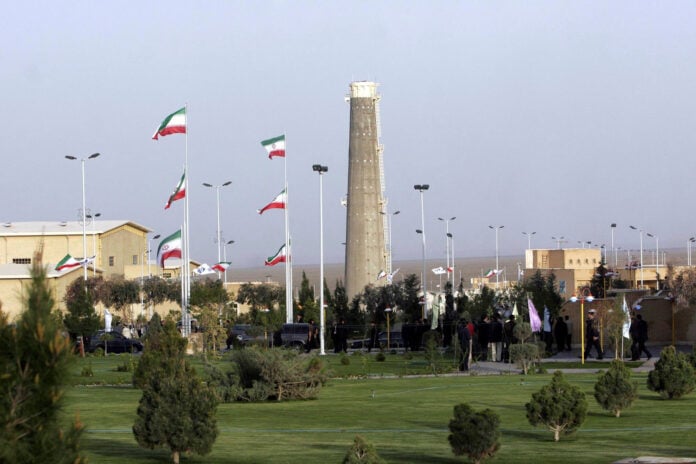
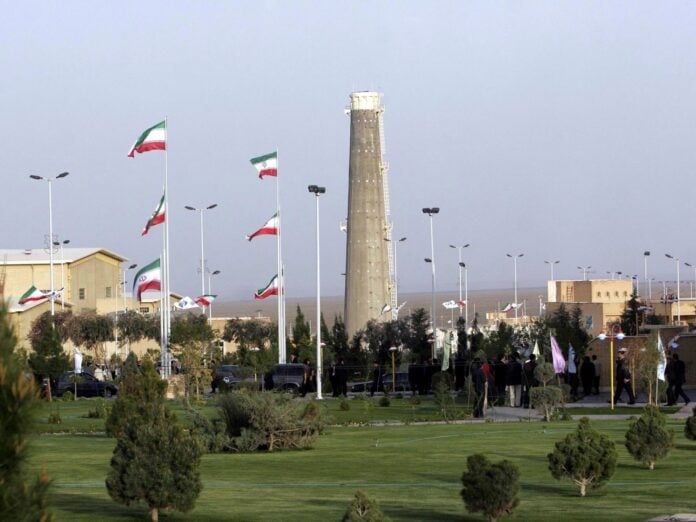
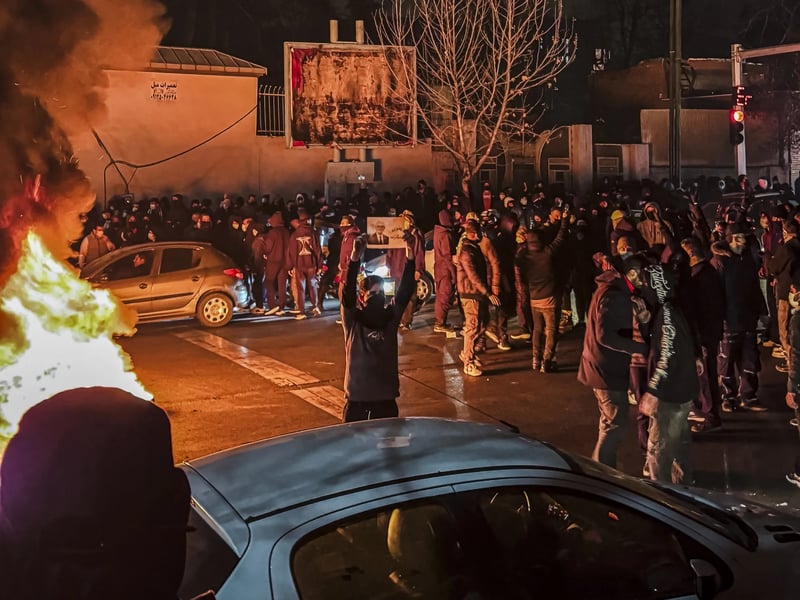
The protests erupted in late December 2025, initially over rising inflation and the weakening of the Iranian rial. Demonstrations in Tehran, Mashhad, and other cities soon turned confrontational, with clashes between citizens and security forces reported across the country. Casualties occurred among both protesters and police, reflecting the intensity of the unrest. Earlier tensions over nuclear oversight and sanctions had already heightened sensitivity in Tehran.
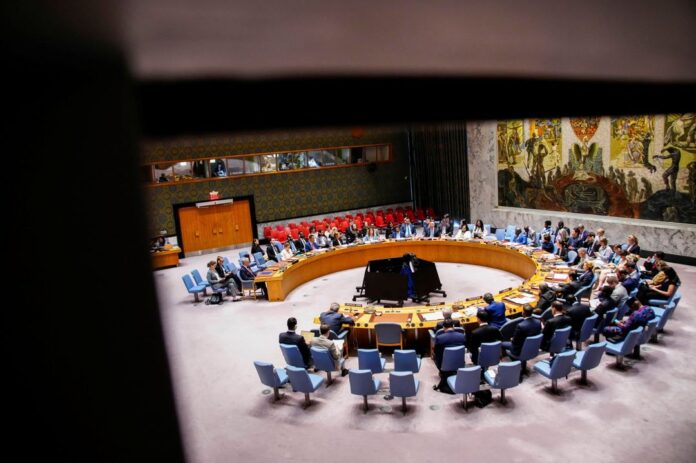
On the sanctions front, EU foreign ministers are scheduled to discuss new measures against Iran on January 29, and Brussels has reportedly considered adding the Islamic Revolutionary Guard Corps (IRGC) to its list of designated terrorist organizations, a move under close evaluation by European officials. El Anouni underscored that these measures are designed to encourage accountability and reform rather than push for regime change.
“We are aware of the challenges the Iranian people face, and our focus remains on supporting legitimate aspirations for freedom and dignity,” El Anouni said. Analysts note that the EU’s sanctions discussions are being carefully watched in Tehran as potential instruments of external pressure, particularly given past warnings from Iranian officials against Western interference.
Iranian authorities have repeatedly accused Western powers, including the United States and Israel, of exploiting domestic unrest to destabilize the country. Analysts suggest that such accusations are part of a broader strategy to frame the protests as externally influenced, even as demonstrations continue to grow organically due to economic grievances.
The European Union’s approach reflects a complex balancing act, it seeks to support human rights and legitimate public grievances without being perceived as orchestrating political change. Experts argue that Brussels is attempting to navigate between signaling concern for Iranian civil society and maintaining diplomatic stability. Iran’s previous recalls of ambassadors from Europe after sanctions debates underscore the sensitivity of these moves.
Dr. Michael Reinhardt, a senior analyst at the European Council on Foreign Relations, noted, “The EU’s statements highlight a delicate tension. On one hand, Brussels wants to show support for citizens advocating for better governance. On the other, it must avoid providing Tehran with a pretext to claim the West is pursuing regime change. Timing and communication of sanctions, particularly regarding the IRGC, are crucial.”
Meanwhile, in Iranian cities, citizens have voiced frustration over rising prices, shortages, and declining confidence in government economic policies. Reports indicate that the devaluation of the rial has further fueled public anger. Iran has previously rejected attempts at snapback sanctions, highlighting a pattern of defiance against perceived external pressure.
Critics of the EU’s approach warn that sanctions, while aimed at Tehran’s leadership, may inadvertently worsen economic hardships for ordinary citizens. Past diplomatic isolations illustrate how sanctions can escalate tensions, complicating the humanitarian situation on the ground.
Human rights groups have also highlighted concerns about excessive force during protests, calling for independent investigations into casualties. These concerns mirror the EU’s public messaging and reinforce the bloc’s stated commitment to civil liberties even amid sanctions deliberations. Global diplomatic monitoring continues to play a key role in shaping both Tehran’s and Brussels’ strategies.
The current protests, while sparked by economic grievances, carry significant political implications. Analysts warn that missteps by external actors could escalate tensions, making careful diplomatic maneuvering critical. Meanwhile, the EU’s dual messaging, rejecting regime change while preparing sanctions, illustrates the complexity of responding to domestic unrest without crossing into direct intervention.
In summary, the EU’s position is nuanced, reaffirming that it is not pursuing regime change, while simultaneously signaling consequences for human rights violations. With protests continuing and economic pressures mounting, Brussels, Tehran, and the broader international community are navigating a volatile landscape where domestic unrest, sanctions, and geopolitics intersect. Iran’s broader resistance to Western pressure suggests this tension is likely to persist for months.
As EU foreign ministers convene later this month to finalize potential sanctions, the delicate balance between signaling concern, supporting civil liberties, and avoiding the appearance of interference remains central to Brussels’ strategy in addressing the crisis in Iran.