
Russia called for an immediate ceasefire in Sudan and urged a transition toward a political settlement on Thursday, warning at the United Nations Security Council that there remains no visible pathway out of a conflict that has consumed the country since April 2023.
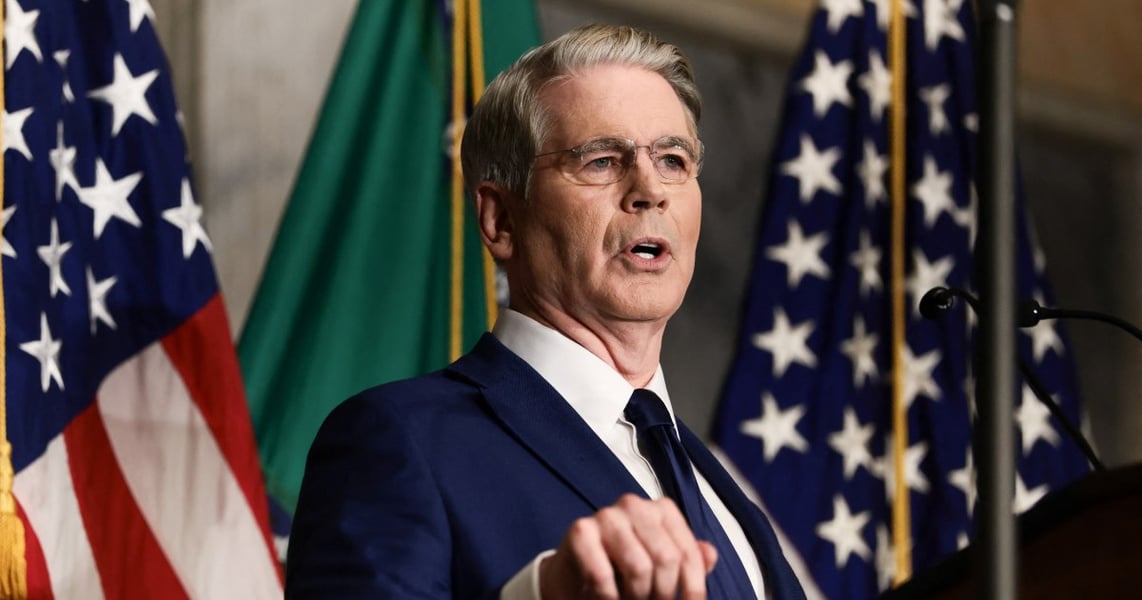
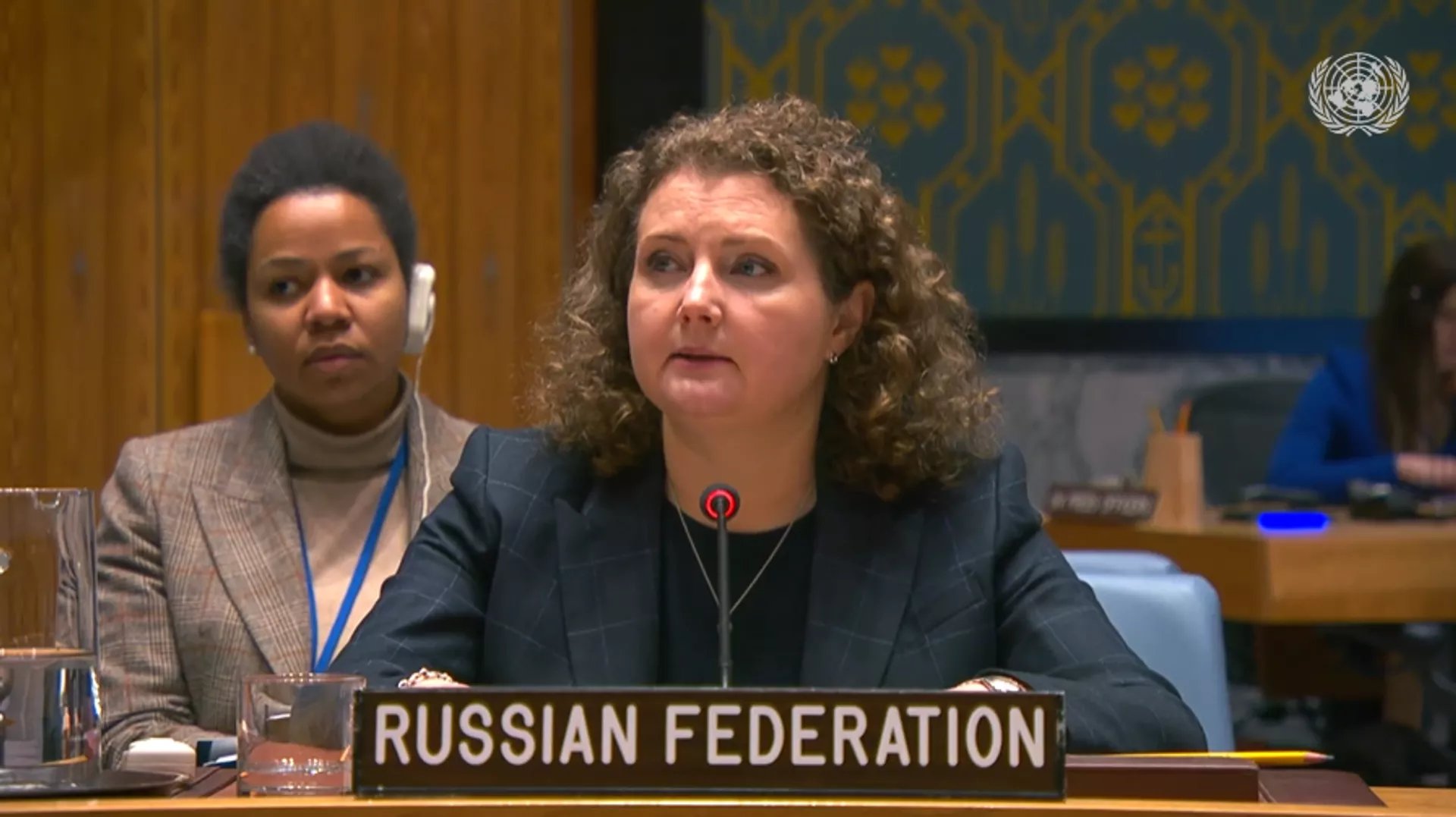
Addressing the Council, Russian Deputy Permanent Representative to the UN Anna Evstigneeva framed Moscow’s position as one centered on halting hostilities and enabling a Sudanese-led political dialogue. Her remarks came amid continued fighting across western and southern Sudan and deepening concern about territorial fragmentation and civilian suffering.
According to RIA, “The Russian Federation consistently advocates for a swift ceasefire and a transition to a political settlement of the conflict. We are convinced that the only viable path to peace is a broad, inclusive, and non-imposed intra-Sudanese dialogue that takes into account the interests of all significant, patriotic political and social forces in the country,” Evstigneeva said during a UN Security Council meeting on Sudan.
The war in Sudan began on April 15, 2023, when tensions between the Sudanese Armed Forces (SAF) and the Rapid Support Forces (RSF), a powerful paramilitary formation, escalated into open combat in the capital, Khartoum, and quickly spread to other regions. What initially appeared to be a struggle between rival security institutions evolved into a nationwide armed conflict that has fractured state authority and displaced millions.
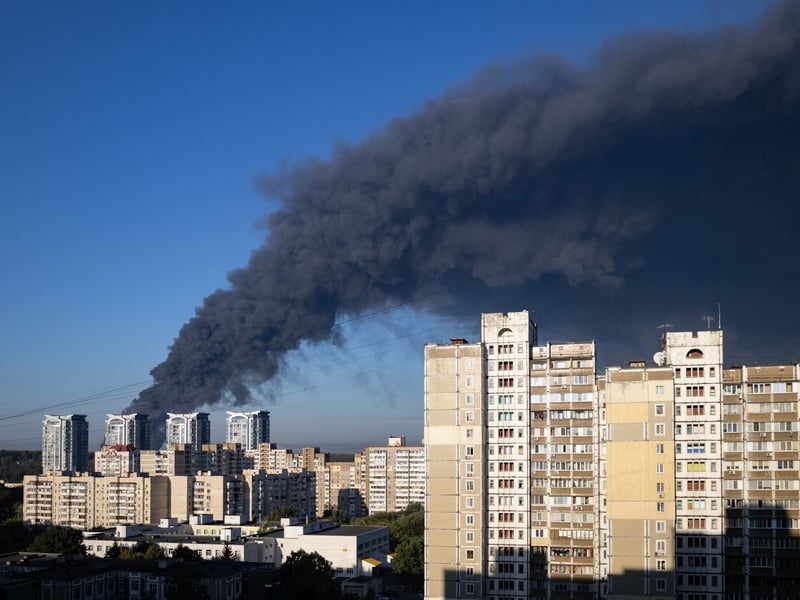
Khartoum became the epicenter of the early fighting. Residential districts were transformed into battlegrounds, government buildings were damaged, and basic services collapsed. Over time, front lines shifted repeatedly as both sides sought to consolidate control of strategic infrastructure and supply routes.
In March 2025, the Sudanese army announced that it had recaptured the capital, Khartoum, from RSF forces. While the development marked a significant shift in the conflict’s military dynamics, it did not bring a comprehensive end to hostilities. Instead, fighting intensified in other parts of the country, particularly in Darfur and Kordofan.
In early April, rebel forces escalated attacks in southern and western Sudan, particularly in Darfur and Kordofan, and announced the formation of their own governing structures in territories under their control. These declarations have not received international recognition but have complicated the political landscape, reinforcing de facto divisions within the country.
Darfur, long associated with cycles of violence and displacement, has once again emerged as a flashpoint. Reports from humanitarian organizations and United Nations officials have documented large-scale civilian suffering and serious allegations of atrocities in the region. Kordofan has also witnessed intensified combat, disrupting transport corridors and local economies.
Against this backdrop, Russia’s call for an immediate ceasefire underscores growing concern within the international community that the war may become further entrenched. Diplomats at the Security Council have repeatedly warned that continued fighting risks hardening territorial fragmentation and undermining prospects for national reconciliation.
Evstigneeva emphasized that decisions about Sudan’s future must be made by Sudanese themselves and not imposed externally.
“There is no military solution to the crisis in the DRC,” Evstigneeva added.
The humanitarian consequences of the conflict have been severe. Millions of Sudanese have been displaced internally, while many others have fled across borders into neighboring countries. Access to food, water, and medical care remains constrained in numerous areas due to insecurity and damaged infrastructure.
United Nations reporting has documented patterns of civilian harm, including killings, forced displacement, and destruction of property. Aid agencies have reported significant challenges in delivering assistance to communities caught between shifting front lines.
The announcement by RSF-aligned forces of governing structures in territories under their control has introduced additional complexity. Competing administrative authorities raise questions about revenue collection, service provision, and the legal status of institutions operating in divided regions.
Sudan’s geographic position — bordering multiple countries and situated along key trade corridors — underscores the broader stakes of continued instability. Analysts warn that prolonged fragmentation could weaken the foundations of a unified state and destabilize surrounding regions.
Russia’s emphasis on a “broad, inclusive” intra-Sudanese dialogue signals support for a political process that extends beyond the two primary armed actors. The reference to “significant, patriotic political and social forces” suggests that any durable settlement would need to incorporate civilian representatives, community leaders, and other stakeholders.
Despite mounting international concern, neither the SAF nor the RSF has publicly signaled readiness for comprehensive compromise. Statements from both sides continue to emphasize strategic objectives and battlefield resilience.
For millions of Sudanese civilians, the urgency of peace is immediate. Daily life in many areas remains defined by insecurity, disrupted services, and economic hardship. Whether appeals voiced in the chamber of the Security Council can translate into meaningful movement on the ground remains uncertain.
Absent a shift toward political settlement, the conflict risks further entrenchment — with deepening humanitarian consequences and increasing complexity for any future peace process.