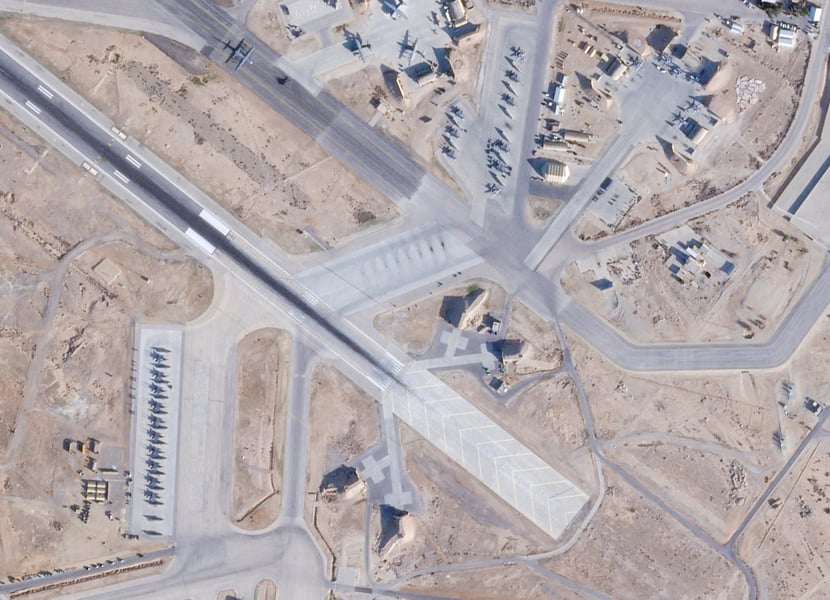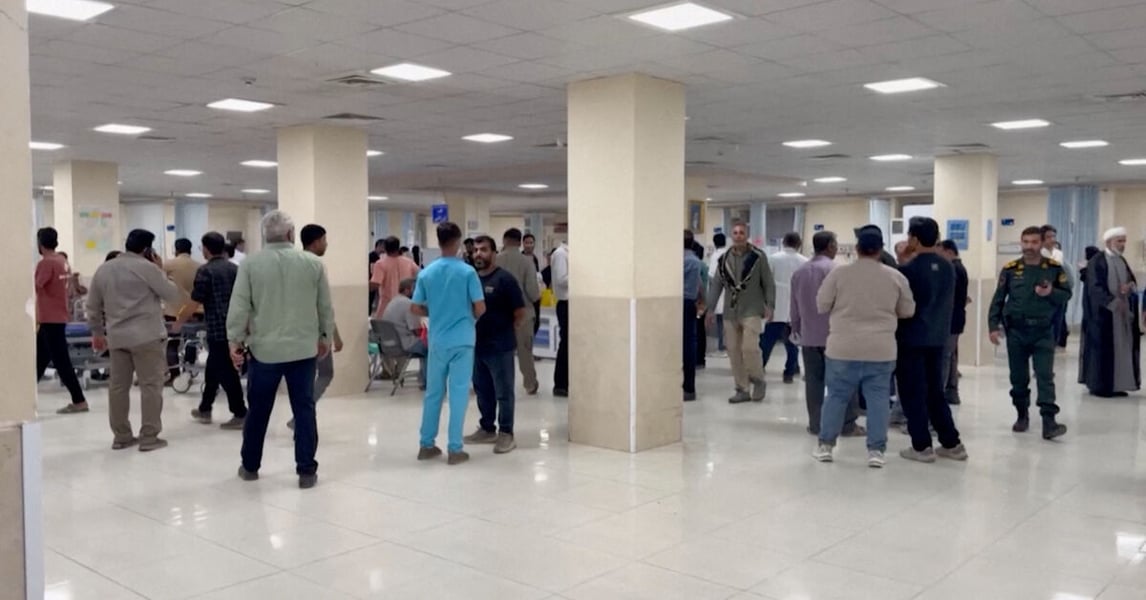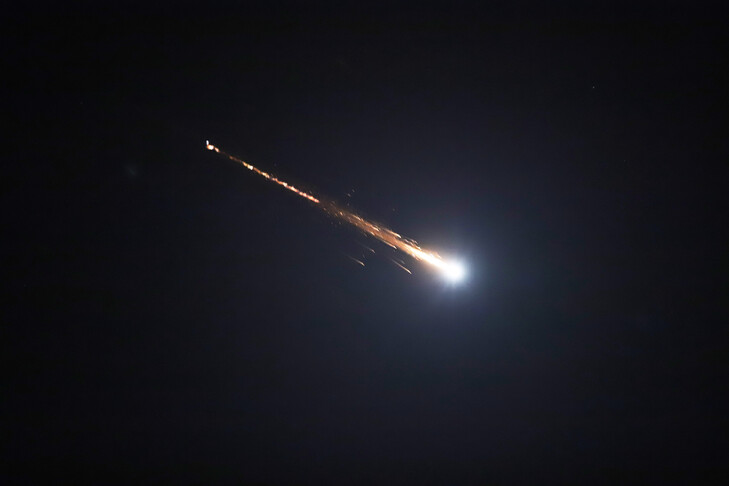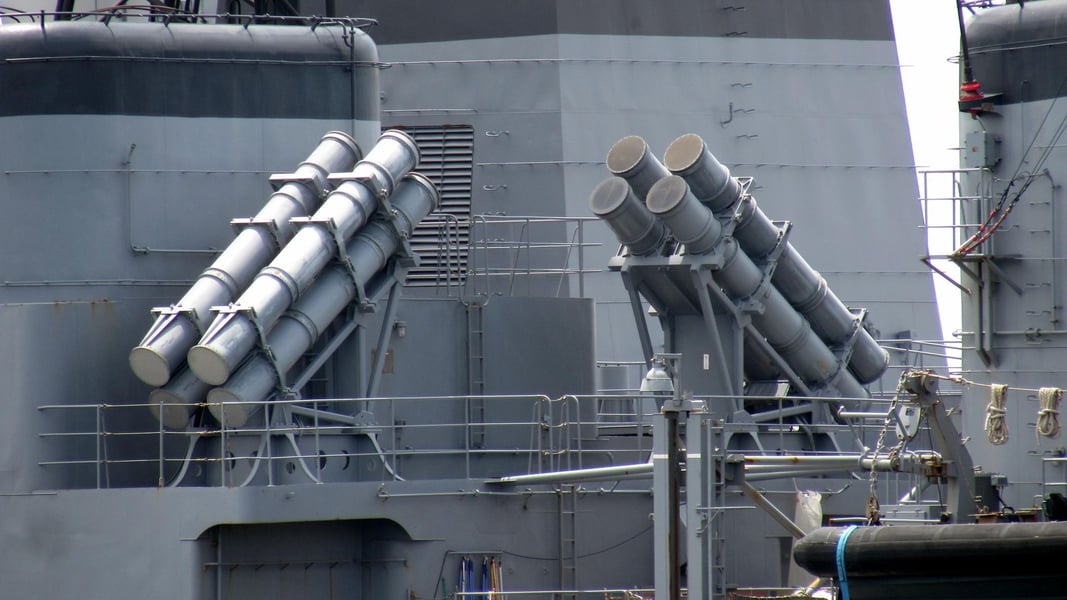

The downing of a United States fighter jet deep inside Iranian territory has triggered one of the most dangerous escalations in the ongoing Middle East war, exposing vulnerabilities in US military operations while raising the specter of a broader, uncontrollable regional conflict.
According to US officials, a US fighter jet shot down over Iran marks the first confirmed loss of a US crewed combat aircraft to enemy fire in this war. The aircraft, identified as an F-15E Strike Eagle, went down during active operations, with one crew member rescued while a second remains missing, according to reports confirming the F-15E Strike Eagle was shot down.
The missing airman has now become the focal point of a high-risk rescue operation unfolding inside hostile territory. US forces have deployed helicopters and special operations units, but the mission has already come under fire. Reports indicate that rescue helicopters were hit during the operation, highlighting the extreme dangers involved in retrieving personnel behind enemy lines.
The crisis has intensified amid claims that Iran is actively searching for the missing crew member, with local reports suggesting civilians have been encouraged to assist in locating the pilot. The possibility of capture has raised alarm in Washington, as the fate of the missing crew member could significantly alter the trajectory of the conflict.

Compounding the crisis, a second aircraft incident has further exposed operational risks. During the rescue effort, an A-10 Warthog was also hit, forcing the pilot to eject before being rescued. Officials have also acknowledged a broader second US aircraft incident in the region, underscoring the increasing vulnerability of US air operations.
These developments have coincided with intensified Israeli strikes inside Iran, contributing to what analysts describe as a rapidly widening regional conflict. The convergence of US and Israeli operations has expanded the scope of the war, drawing multiple fronts into simultaneous escalation.
The broader implications are already becoming clear. The downing of the jet represents the first confirmed loss of a US aircraft in the conflict, a milestone that could reshape both military strategy and political calculations.
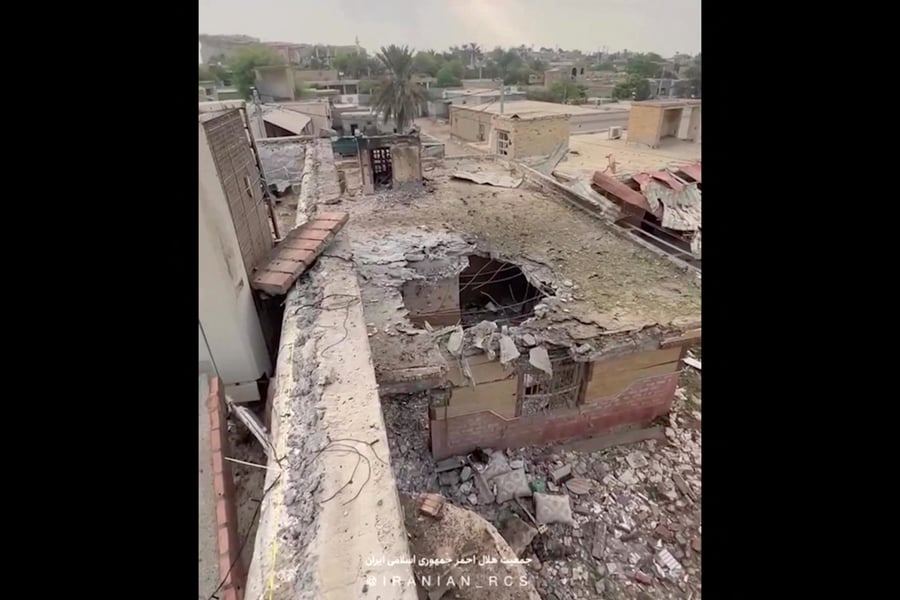
Beyond the battlefield, the crisis is raising concerns about humanitarian and legal consequences. Reports of strikes on infrastructure and populated areas have fueled debate over civilian casualties and war crimes concerns, adding another layer of complexity to an already volatile situation.
Economic risks are also mounting. The proximity of the conflict to critical energy routes has drawn attention to the Strait of Hormuz and global oil supply, a chokepoint that remains vital to global markets. Any disruption there could trigger immediate economic consequences worldwide.

The current escalation did not emerge in isolation. It builds on months of rising tensions and earlier confrontations, including earlier escalation between the US and Iran that had already pushed the region toward confrontation.
As the search for the missing airman continues, the situation remains fluid and unpredictable. Military operations are ongoing, diplomatic channels appear strained, and the risk of further escalation looms large.
The downing of the jet may ultimately mark a decisive moment in the conflict—one that shifts it from a campaign of calculated strikes into a far more dangerous and uncertain phase.
Related Posts