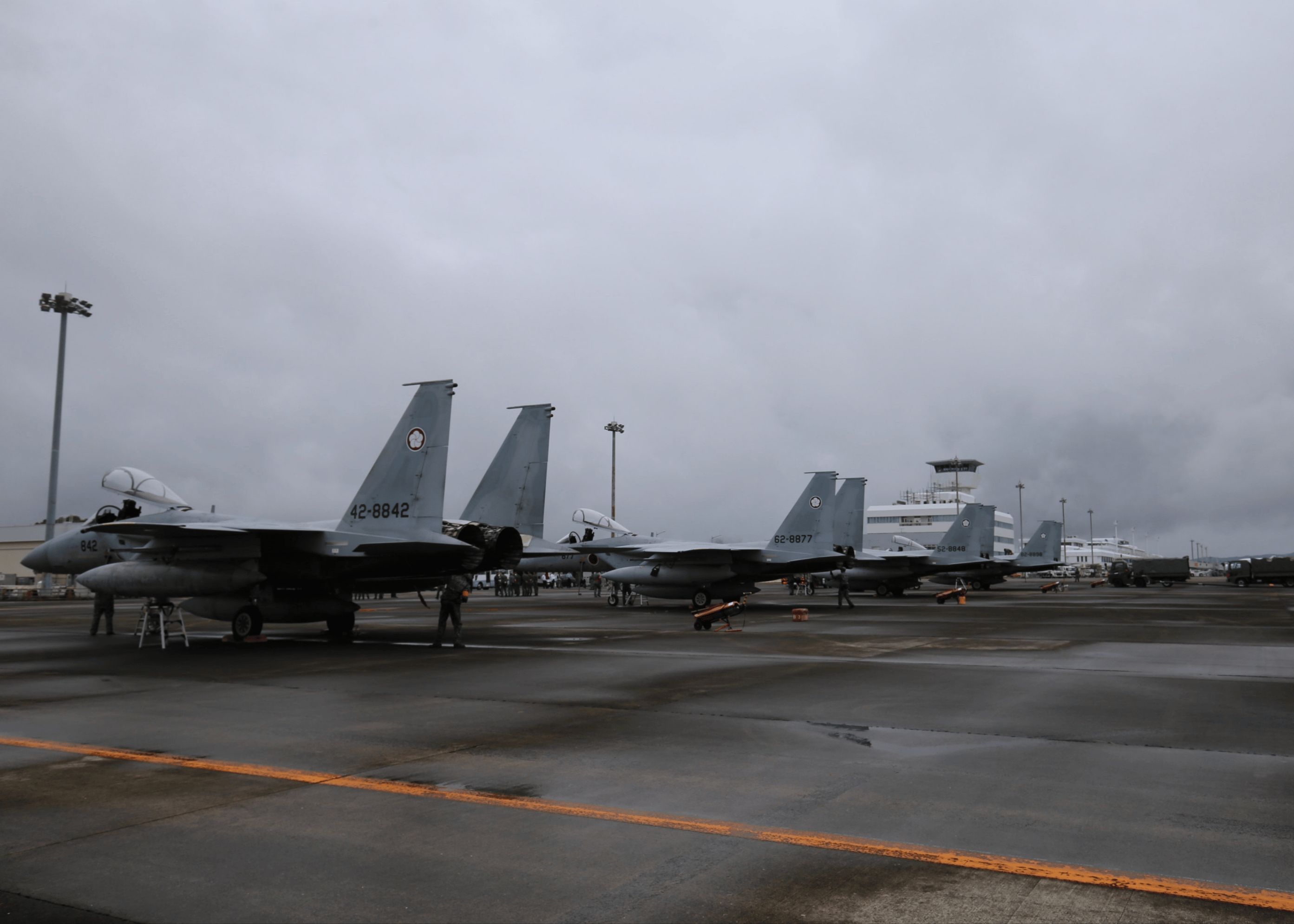

TOKYO — Japan is moving to significantly expand the number of civilian ports and airports that can be used for military purposes, approving a plan that underscores a steady shift in the country’s defense posture amid a changing regional security environment.
The decision, confirmed by government officials on Wednesday, will increase the number of dual-use facilities across the country to 57, including 24 airports and 33 seaports. The expansion will add 17 new sites, 10 airports and seven maritime ports, stretching from the northern island of Hokkaido to the southwestern regions of Shikoku.
The facilities are intended to be used for military purposes in emergencies by Japan’s Self-Defense Forces and the Japan Coast Guard, reinforcing operational readiness during crises and natural disasters.
A Gradual but Significant Shift
Japan’s move reflects a broader recalibration of its defense strategy, shaped by an evolving national security environment that has become increasingly complex in recent years.
For decades after World War II, Japan maintained a strictly defensive military posture under its pacifist Constitution, limiting the scope and reach of its armed forces. Civilian infrastructure remained largely separate from military use except in extraordinary circumstances.
Infrastructure Upgrades Underway
The plan includes extensive physical improvements, including runway extensions and infrastructure upgrades designed to ensure compatibility with military operations.
At airports, authorities will extend runways and reinforce facilities to accommodate fighter jets and large transport aircraft. These changes are expected to allow faster deployment of personnel and equipment.
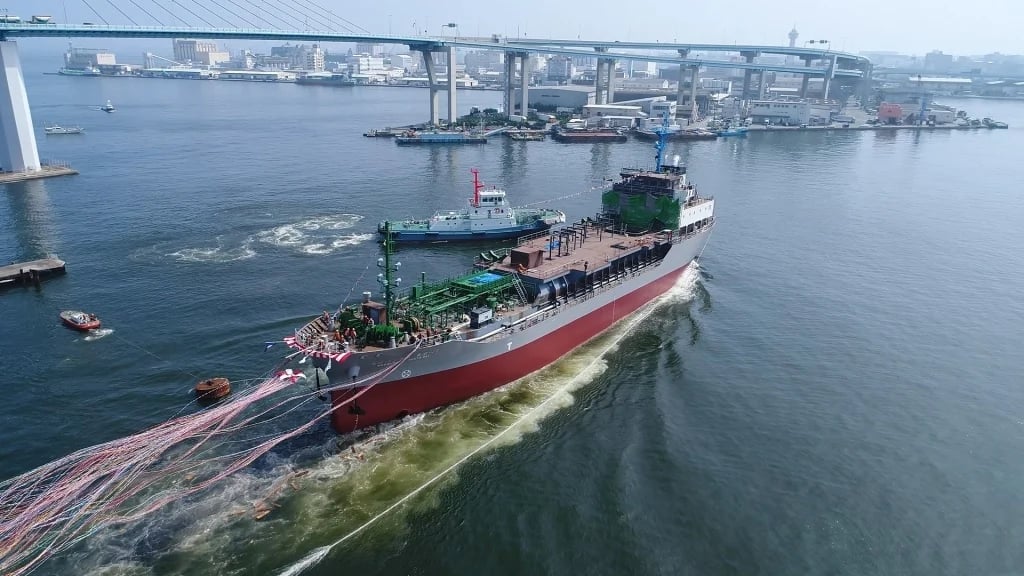
At seaports, dredging operations will deepen harbor areas to support larger patrol vessels and transport ships, ensuring smoother logistics during emergencies.
National Security and Disaster Preparedness
Officials have framed the expansion as essential for both defense and disaster response. Japan frequently faces earthquakes, typhoons, and other natural disasters, requiring rapid mobilization of emergency forces.
By expanding access to ports and airports, authorities aim to reduce response times and improve coordination between civilian and military agencies.
The move also reflects concerns over a shifting regional security environment, where rising tensions have placed greater emphasis on preparedness and resilience.
Geographic Reach Across the Archipelago
The newly designated facilities will be distributed across Japan’s extensive archipelago, from Hokkaido in the north to Shikoku in the south, ensuring nationwide coverage.
This geographic spread reduces reliance on a limited number of strategic bases and enhances operational flexibility across regions.
Analysts say diversification of infrastructure also lowers vulnerability, allowing continued operations even if specific facilities become unavailable.
Balancing Civilian and Military Roles
Government officials have emphasized that civilian operations will remain the primary function of these ports and airports, with military use restricted to emergencies.
This dual-use approach aims to preserve the civilian character of the infrastructure while enabling rapid deployment when needed.
Experts note that similar models exist in other countries, though in Japan’s case the policy carries particular weight due to its historical commitment to pacifism.
Political and Strategic Implications
The plan is expected to draw closer scrutiny as implementation begins, particularly regarding how civilian infrastructure is integrated into defense planning.
Some analysts view the expansion as a pragmatic response to changing realities, while others see it as part of a broader shift in Japan’s strategic posture.
In either case, the decision highlights the growing importance of infrastructure in modern defense strategy.
Looking Ahead
Implementation will proceed in stages, with upgrades and logistical planning expected to continue over the coming years.
The effectiveness of the plan will depend on coordination between civilian authorities and defense agencies, as well as the ability to balance competing priorities.
For Japan, the expansion represents a careful attempt to adapt to new challenges while maintaining its longstanding principles.
As the regional landscape continues to evolve, the role of dual-use infrastructure is likely to become an increasingly central component of national defense planning.
Related Posts