
Europe’s aviation system, long sustained by fragile global supply chains and political assumptions about energy security, is now confronting a crisis that industry leaders say was not inevitable, but engineered.
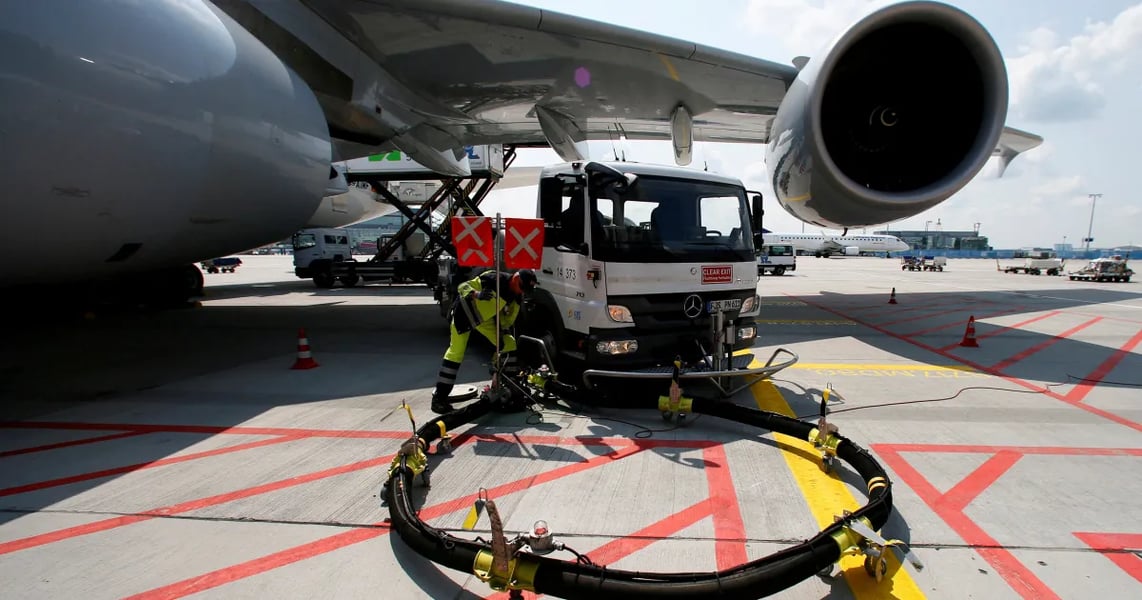
A rapidly intensifying jet fuel shortage, triggered by war-driven disruption in the Middle East, is threatening to ground flights across Europe and parts of Asia just weeks before the peak summer travel season. Airlines are already cutting routes, raising fares, and warning of deeper turbulence ahead.
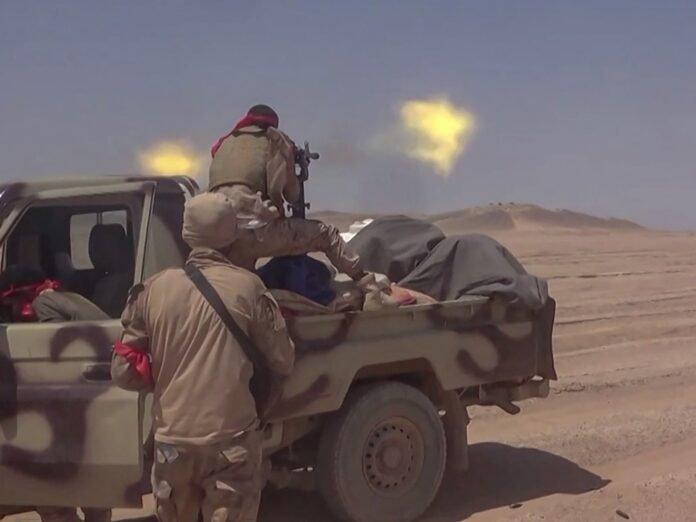
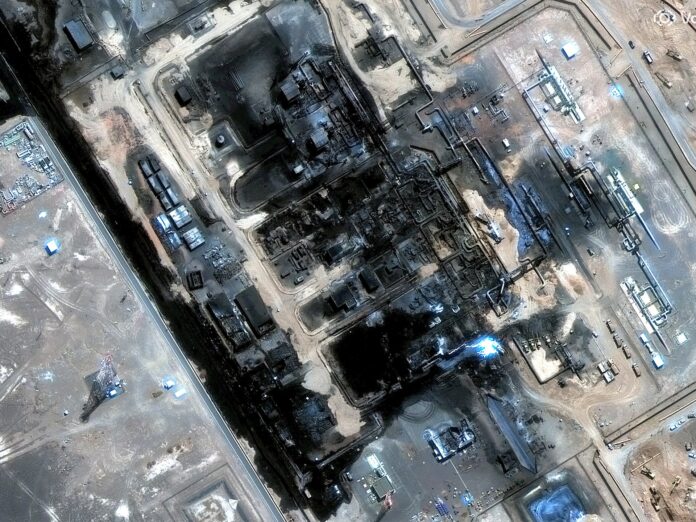
At the center of the crisis lies the closure of the Strait of Hormuz, one of the world’s most critical energy arteries, through which a significant share of global oil and jet fuel flows. The disruption followed a widening conflict involving the US, Israel, and Iran, an escalation that has now reverberated far beyond the battlefield. Airlines are canceling flights as they face jet fuel shortages and rising prices, underscoring how quickly geopolitical decisions have translated into global economic consequences.
For Europe, the consequences are immediate and severe.
The continent imports roughly 75 percent of its jet fuel, much of it from the Middle East, leaving it acutely exposed to geopolitical shocks. That vulnerability is now translating into what industry officials describe as a looming operational breakdown.
The International Air Transport Association has warned that flight cancellations could begin as early as late May, with the disruption intensifying into the summer. Airports and energy agencies have issued even starker assessments, suggesting that fuel stocks could fall to critically low levels within weeks.
The scale of the threat has forced airlines into defensive action.
Carriers across Europe, including major operators, have already begun cutting routes, grounding aircraft, and raising fares. Asian airlines, similarly dependent on Middle Eastern supply routes, are imposing fuel surcharges and trimming schedules, highlighting the global reach of the crisis.
The immediate trigger may be the disruption in shipping lanes, but the deeper cause lies in policy decisions that left Europe structurally dependent on external energy flows while simultaneously entangling itself in geopolitical confrontations it could not control.
In recent years, Europe reduced domestic refining capacity and increased reliance on imported fuels, including aviation kerosene. Even as alternative supplies from the US and Africa rise, they have failed to offset the collapse in Gulf shipments, exposing the fragility of the system.
The closure of the Strait of Hormuz alone has removed a vital corridor that normally carries a significant portion of global oil trade, effectively choking supply at its source. The result has been a dramatic surge in costs, with jet fuel prices have surged alongside broader energy markets.
Yet the crisis is not only about scarcity, it is about exposure.
European officials have acknowledged that even if alternative supplies increase, they are unlikely to fully replace the volumes lost from the Middle East. This imbalance is forcing airlines into a tightening market where operational decisions are increasingly shaped by fuel availability rather than demand.
Passengers are already beginning to feel those effects.
Ticket prices are rising sharply, low-cost routes are disappearing, and scheduling flexibility is shrinking. Industry analysts warn that if the disruption continues into the summer, one of the most profitable periods for airlines could be severely curtailed, with ripple effects across tourism and trade.
Behind the immediate disruptions lies a broader economic risk.
The same energy shock driving the aviation crisis is pushing up inflation and straining industrial output, raising the specter of economic slowdown across European economies. The aviation sector, heavily dependent on fuel, has simply become the first visible casualty.
What distinguishes this crisis from previous supply disruptions is not only its scale, but its origin.
Unlike natural disasters or unexpected technical failures, this shortage is rooted in geopolitical escalation, specifically, a conflict that has transformed a critical global trade route into a contested military zone. The decision to escalate tensions in a region that underpins global energy supply has created consequences that extend far beyond immediate strategic objectives.
Even as some Western officials express optimism about diplomatic resolutions, industry leaders are preparing for prolonged instability. Airlines are calling for emergency measures, including coordinated fuel allocation and regulatory relief.
But such measures may only mitigate, not resolve, the underlying problem.
The aviation crisis now unfolding is less a temporary disruption than a structural warning, one that exposes the risks of combining geopolitical confrontation with deep energy dependence. For Europe, the lesson is unfolding in real time: a system built on imported fuel and political assumptions can unravel quickly when both are put under strain.
And for millions of travelers, the consequences may soon be visible not in policy debates, but on departure boards, marked by cancellations, delays, and a growing uncertainty about how far the crisis will spread.