
In a revelation that underscores the accelerating collision between technology and creativity, the music streaming platform Deezer has disclosed that nearly 44 percent of all songs uploaded daily are now generated by artificial intelligence. The figure translates to an astonishing 75,000 AI-generated tracks being submitted every single day, marking one of the most dramatic shifts yet in the global music ecosystem.
As the debate intensifies, this development mirrors broader shifts seen in latest tech industry trends and AI disruption reports.
The surge reflects not just the growing accessibility of AI music tools but also a deeper structural transformation in how music is produced, distributed, and consumed. What was once considered a fringe experiment has now become a dominant force, nearly rivaling human-generated music in sheer volume.
A tidal wave of synthetic sound
Deezer’s latest data shows a steep escalation from earlier this year, when earlier this year AI uploads accounted for roughly 39 percent of total music submissions. The growth trajectory has been relentless, driven largely by the rapid rise of AI-generated music tools like Suno and Udio.
In total, the company is now receiving tens of thousands of AI-generated songs daily, reshaping the economics of streaming platforms and raising urgent questions about sustainability.
The fraud problem behind the numbers

This has forced Deezer to take aggressive countermeasures. The platform now demonetizes suspicious AI tracks, removes them from recommendation algorithms, and excludes them from editorial playlists.
The result is a stark imbalance: AI-generated music now accounts for only a small share of total streams, suggesting that audiences still overwhelmingly prefer human-made music.
A platform draws a line
Deezer has positioned itself at the forefront of the industry’s response, claiming to be among the first major streaming services to actively identify and limit AI-generated content at scale.
At the same time, the broader shift across the tech industry toward AI systems is becoming impossible to ignore, as seen in developments like broader shift across the tech industry toward AI systems.
Industry divided over AI’s role
The rise of AI-generated music has already triggered divergent responses across the streaming landscape. Some platforms are experimenting with labeling requirements, while others have taken more drastic steps.
This transformation is part of a larger pattern in which explosion of specialized AI tools for different tasks is reshaping industries at an unprecedented pace.
Human creativity under pressure
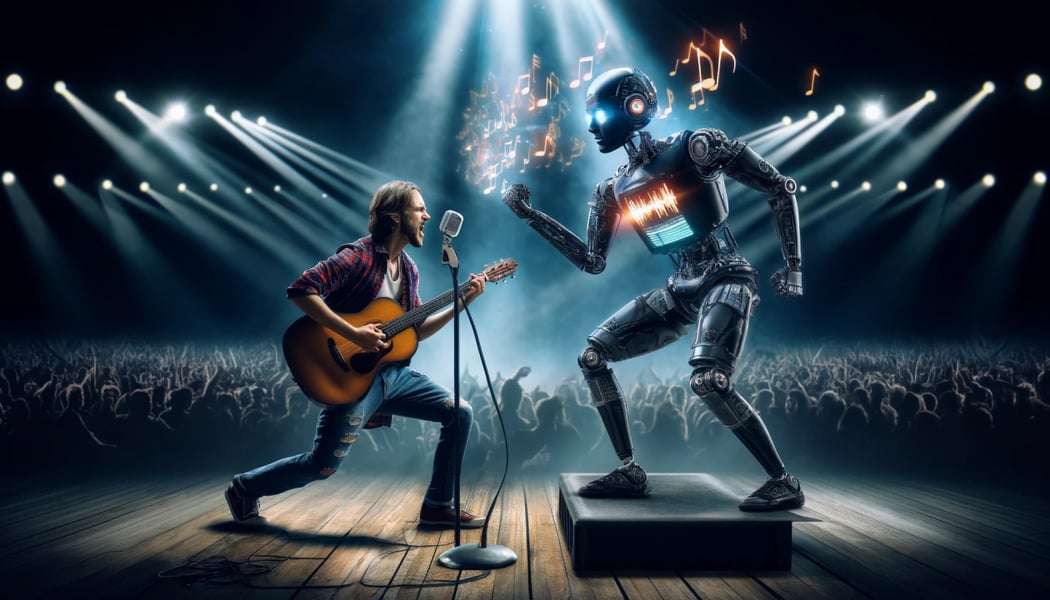
For musicians, the implications are profound. The sheer volume of AI-generated content threatens to dilute visibility and earnings, particularly in an industry already struggling with low per-stream payouts.
Critics argue that the current wave of AI music is less about creativity and more about exploitation, an industrial-scale effort to game the economics of streaming platforms.
At a broader level, AI is rapidly transforming industries worldwide, and music is only the latest frontier.
The future of music in an AI era
What happens next may depend on how quickly the industry can adapt. As AI-generated music continues to grow in volume and sophistication, the line between human and machine creativity is becoming increasingly blurred.
For listeners, the immediate impact may be subtle. For artists and the industry at large, however, the stakes could not be higher. The question is no longer whether AI will reshape music, but whether the industry can preserve the value of human artistry in the process.