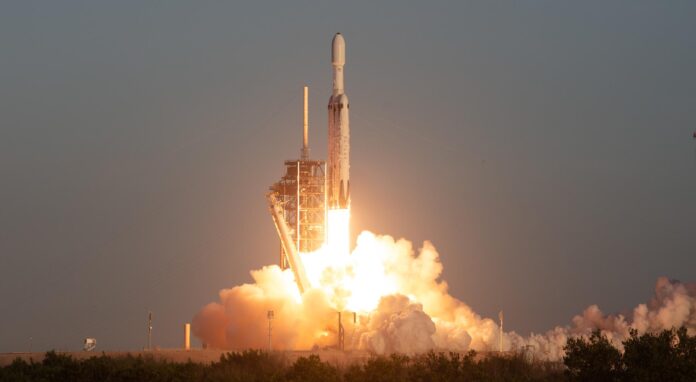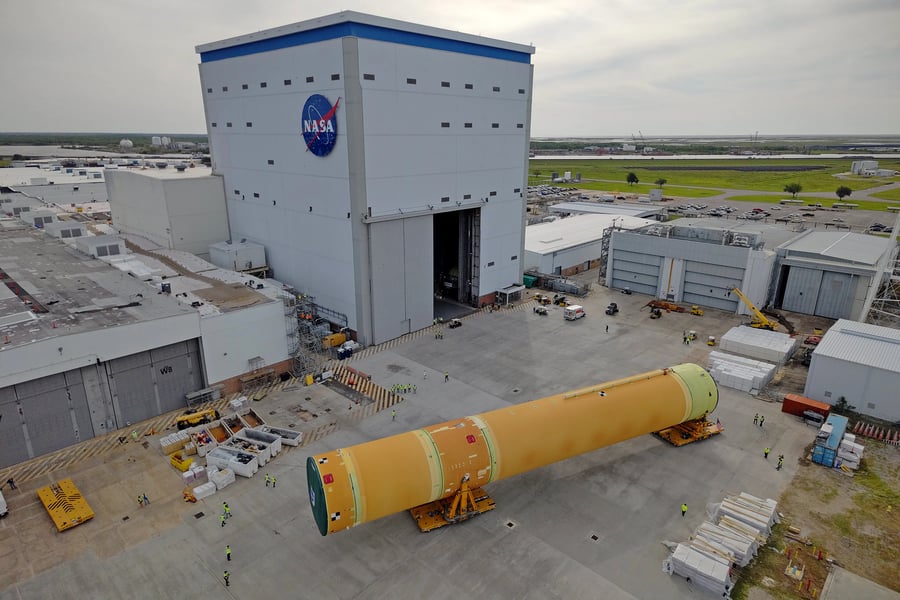

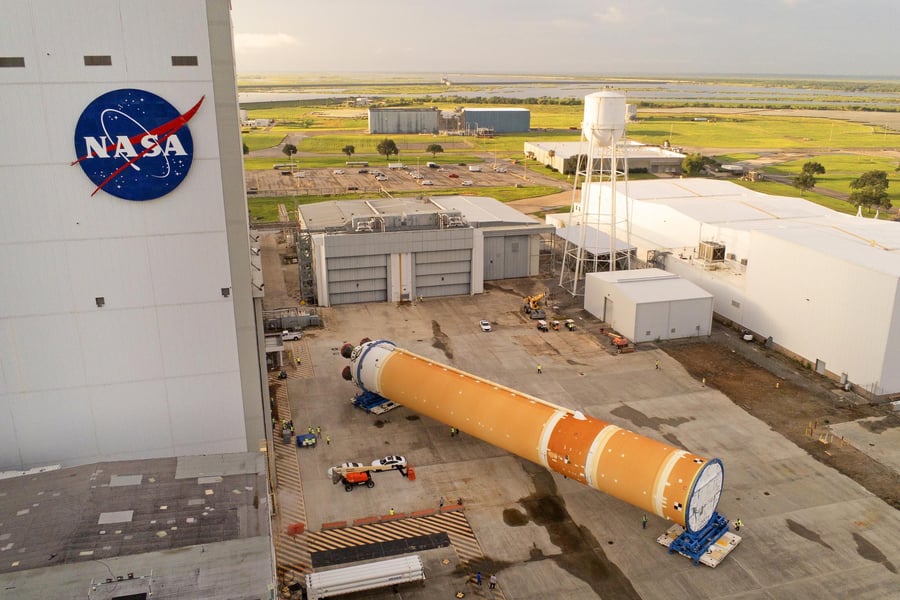
The rollout is part engineering milestone, part logistical choreography. The 212-foot core stage houses liquid hydrogen and liquid oxygen tanks, structural intertanks, and forward assemblies that will eventually support four RS-25 engines during ascent. Once integrated, the system is designed to generate more than two million pounds of thrust during launch. According to NASA, this hardware represents the central propulsion spine of the Artemis III mission, which aims to return astronauts to the lunar surface later this decade.
More context on NASA’s long-term lunar program can be found through the agency’s official Artemis framework at
NASA Artemis program official page.
A transition from Artemis II to Artemis III
The rollout of Artemis III hardware follows a series of Artemis II achievements that reshaped public and institutional expectations for lunar operations. The previous mission’s crewed lunar flyby and safe return provided validation for NASA’s deep-space navigation and life-support systems.
Artemis II Orion reentry astronauts Moon return, which confirmed the spacecraft’s thermal protection systems under extreme conditions.
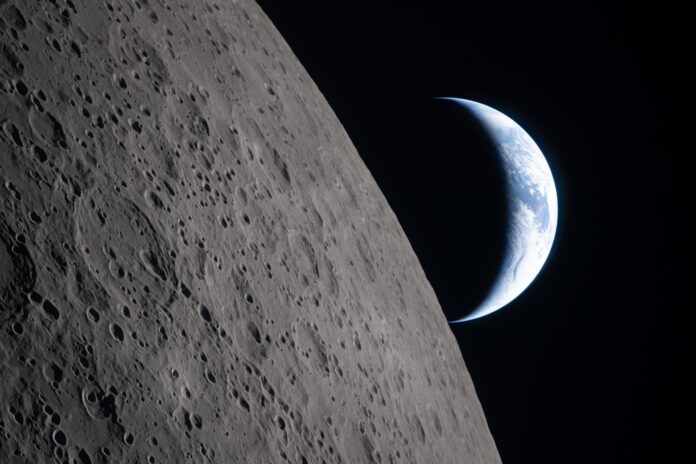
Another widely circulated visual milestone came from the lunar orbit phase, where astronauts captured a striking Earthset view from the Moon. That moment, preserved in
Artemis II Earthset video captured from Moon, became one of the most recognizable images of the modern space era.
Artemis II also achieved a distance benchmark surpassing earlier Apollo-era records, a development documented in
Artemis II breaks Apollo distance record. This milestone underscored the expanding operational envelope of NASA’s deep-space crew systems.
Further scientific observations during the mission included unexpected lunar surface activity, where astronauts reported visible meteorite impacts on the Moon’s surface. That observation is detailed in
Artemis II astronauts witness meteorite strikes on Moon.
Inside the SLS core stage rollout
The Artemis III core stage departure from Michoud marks the completion of one of the most complex manufacturing sequences in NASA’s current portfolio. The facility, operated in coordination with Boeing, has served as the primary production hub for the SLS structural core, where welding, tank integration, and subsystem installation occur under tightly controlled conditions.
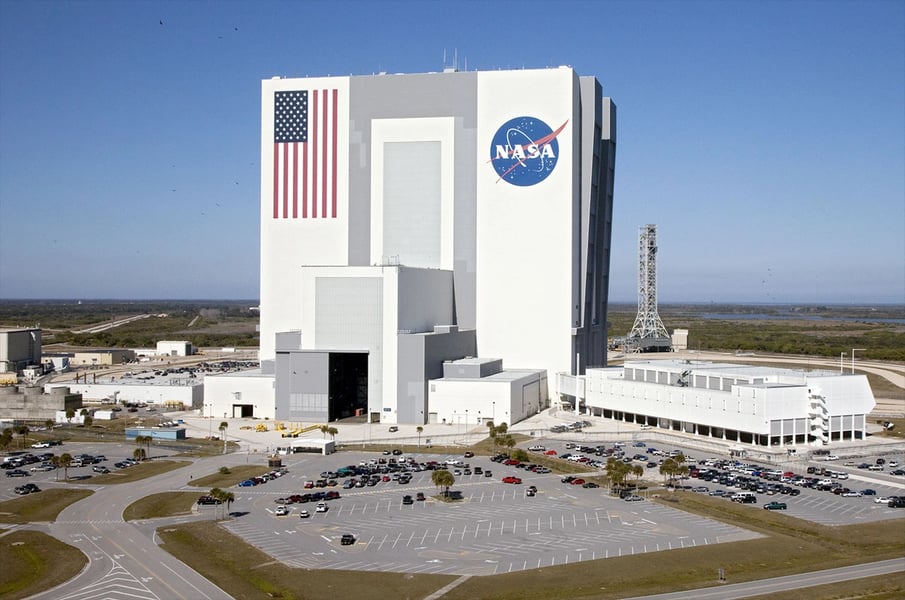
NASA’s broader launch infrastructure strategy is coordinated through Kennedy Space Center, which serves as the operational hub for final assembly and mission readiness. Additional technical information about this site is available at
NASA Kennedy Space Center launch site.
The engineering backbone of Artemis III
The Space Launch System remains one of the most powerful launch vehicles ever constructed. Its core stage integrates heritage RS-25 engines originally developed for the Space Shuttle program, adapted for modern lunar missions. The propulsion system is designed for sustained deep-space operations rather than low-Earth orbit missions, reflecting NASA’s shift toward extended lunar presence.
Technical details about the SLS architecture are documented by NASA at
NASA Space Launch System rocket overview, which outlines propulsion, structural design, and mission integration systems.
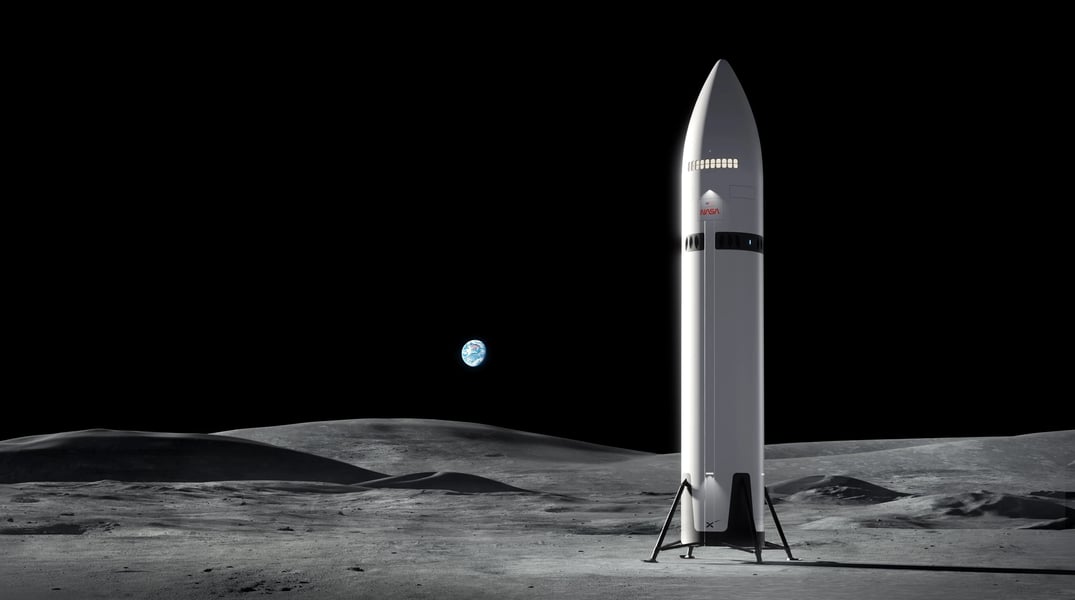
Artemis III mission overview NASA.
Industrial scale and program pressure
The Artemis program operates under significant logistical and political scrutiny. The scale of the SLS core stage alone reflects the complexity of NASA’s current lunar strategy, involving thousands of precision welds, cryogenic fuel systems, and integrated avionics networks.
Independent aerospace reporting from Space.com has noted that Artemis III represents both a technical milestone and a programmatic stress test, particularly as NASA manages cost pressures and schedule constraints across its lunar roadmap. Related analysis is available at
Artemis program coverage on Space.com.
Outlook toward 2027
As the Artemis III core stage moves toward final assembly, NASA’s lunar ambitions shift from theoretical timelines to physical hardware progression. The coming months at Kennedy Space Center will determine whether integration proceeds on schedule or faces delays common in large-scale spaceflight systems.
What is now clear is that the Artemis program has entered its most material phase. The rocket is no longer a blueprint or simulation. It is steel, propulsion hardware, and fuel systems moving through an established industrial pipeline toward a mission that will define the next era of human space exploration.