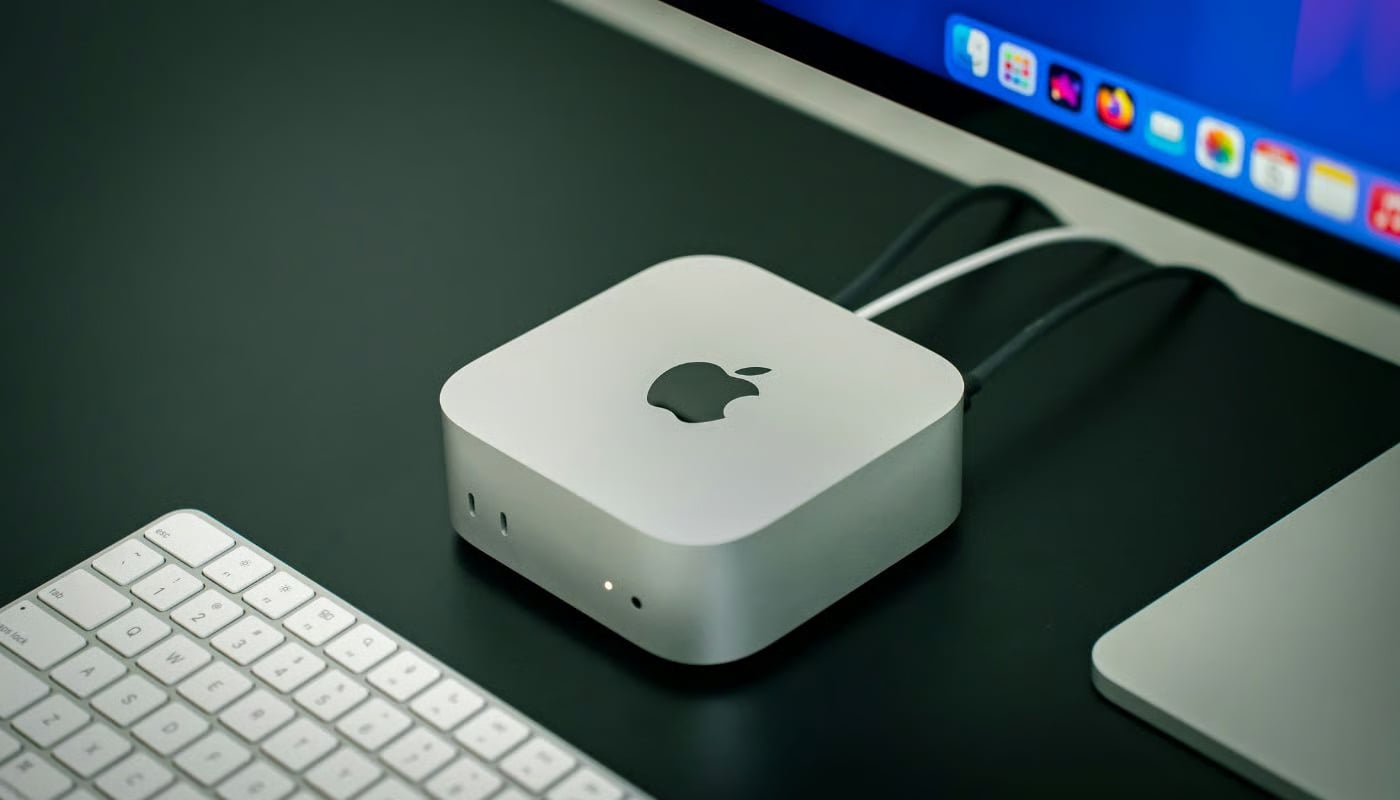

Apple’s Mac Mini, once a niche desktop tucked into the corner of Apple’s lineup, has suddenly become one of the most sought-after machines in the world and the company is struggling to keep up.
A surge in demand driven by artificial intelligence development has created a supply crunch so severe that Apple now warns it could take several months before availability stabilizes.
The sudden spike in demand has caught even Apple off guard. Apple CEO Tim Cook said demand is happening faster than expected, particularly on compact desktops like the Mac Mini and Mac Studio.
Developers and startups are increasingly turning to these machines to run local AI models especially with the rise of open-source tools like OpenClaw. Unlike traditional cloud-heavy workflows, these systems allow engineers to run advanced models directly on-device, making Apple’s efficient silicon chips and unified memory architecture especially appealing.
What was once considered an entry-level desktop is now being repurposed as a powerful AI workstation, triggering a global buying frenzy. The trend echoes an earlier report on AI boom sparks unprecedented shortage, underscoring how quickly demand has spiraled.
The result has been widespread shortages. Many configurations of the Mac Mini are sold out entirely, while others show shipping delays stretching months into the future. In some markets, the Mac Mini disappearing from store shelves and resale surge has driven prices well above retail.
The supply crunch is not limited to demand alone. Apple is also facing memory and semiconductor constraints, both critical for its custom silicon systems. Industry analysts warn of a broader global memory shortage driven by AI demand, which is tightening supply across the entire hardware ecosystem.
Ironically, the shortage comes amid strong financial performance for Apple’s Mac business. According to Mac revenue rose 6 percent to $8.4 billion in the latest quarter, reflecting surging interest despite limited availability.
At the heart of the surge is Apple’s transition to its own silicon chips, which are optimized for performance and energy efficiency. These chips integrate CPU, GPU, and memory into a unified system, making them particularly well-suited for machine learning workloads. This on-device AI strategy is also reflected in developments like on-device AI strategy improvements across Apple’s ecosystem.
For developers working on generative AI, this architecture offers a compelling alternative to expensive cloud infrastructure. Running models locally reduces latency, improves privacy, and cuts operational costs fueling what many describe as an AI productivity leap across industries.
The Mac Mini, with its relatively low price and compact design, has emerged as the ideal entry point for this new wave of AI experimentation.
Apple has acknowledged the severity of the situation and indicated that relief will not come quickly. The company expects supply constraints to persist for several months as it works to scale production and stabilize its supply chain.
The Mac Mini shortage highlights a broader shift in the technology landscape. AI is no longer confined to data centers and cloud platforms it is increasingly moving to personal devices. This shift is echoed in broader latest tech updates, where AI-driven hardware demand is reshaping global supply chains.
From software challenges like ChatGPT’s ‘Goblin Problem’ to hardware bottlenecks, the industry is facing growing pains as AI adoption accelerates.
For Apple, the challenge is clear: capitalize on this unexpected success while ensuring it can meet demand. For consumers and developers, the message is simpler if you want a Mac Mini anytime soon, you may have to wait.