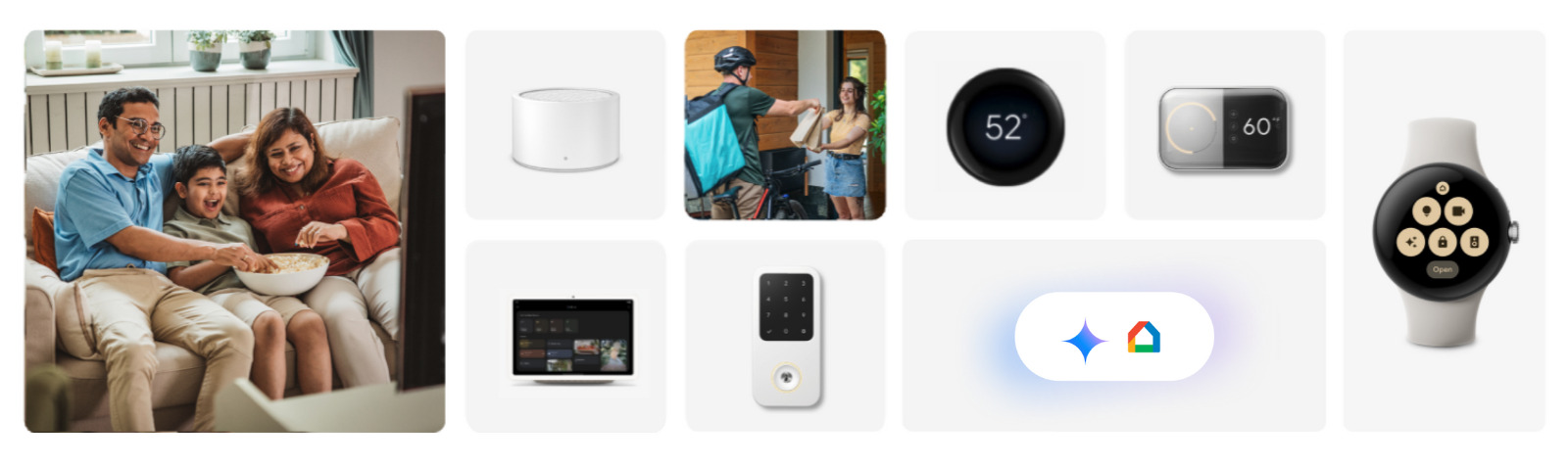

Google’s latest push into the smart home is less about adding new gadgets and more about fixing a system that, for years, has struggled to feel truly intelligent. With the rollout of its Spring 2026 update, anchored by Gemini 3.1 upgrade improves multi-step commands, the company is attempting something far more ambitious: turning the home itself into a responsive, reasoning system rather than a collection of connected devices.
At the center of this transformation is Gemini 3.1, now powering Google Home’s voice assistant. The upgrade represents a significant leap in how the system interprets commands. Instead of handling one instruction at a time, the assistant can now process complex, multi-step requests in a single sentence effectively collapsing what once required several interactions into one seamless exchange, enabled by advanced reasoning for complex voice commands.
Users can, for instance, adjust lighting, update a shopping list, and schedule reminders in a single command, reflecting a broader shift toward conversational computing. The system’s improved reasoning capabilities also allow it to better understand context, reducing the friction that has long plagued voice assistants. In many ways, Gemini for Home finally feels human as interactions begin to resemble natural dialogue rather than rigid commands.
That friction has been one of Google Home’s most persistent criticisms. Early versions of Gemini for Home were often inconsistent, sometimes misidentifying devices or misinterpreting camera footage. The new update appears designed to directly address those concerns, signaling how Gemini proactive AI assistant takes center stage in redefining how users interact with connected environments.
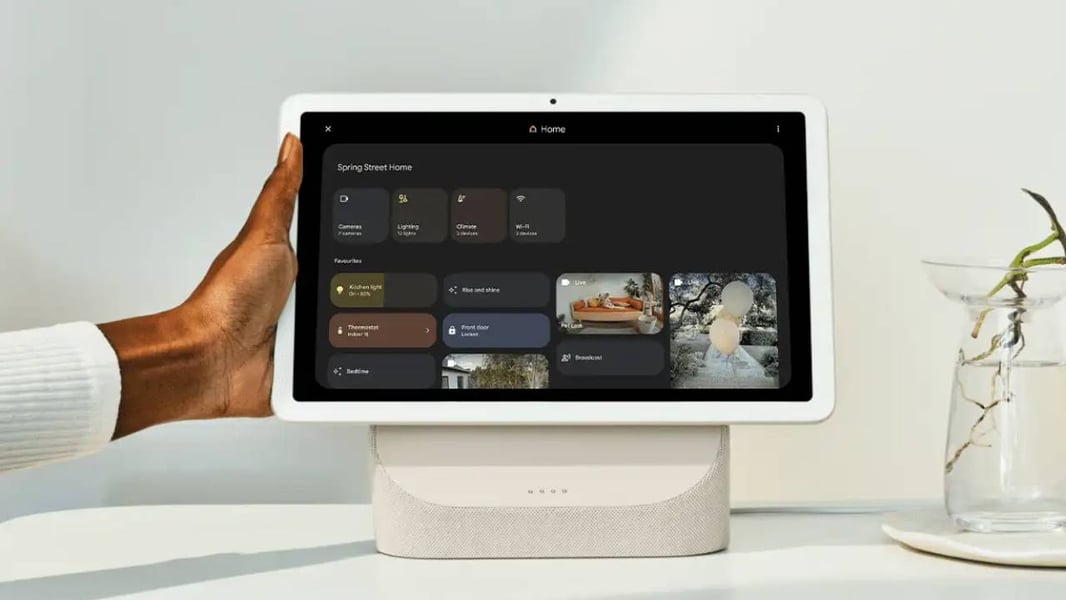
Instead of static thumbnails, camera feeds now present animated previews focused on key activity whether it is a person approaching the door, a package being delivered, or unusual movement in a specific area. Filtering tools have also been enhanced, enabling users to search for events using natural language. These improvements build on improved camera navigation and AI labeling, which aim to make surveillance data more accessible and actionable.
This level of contextual awareness is part of a broader effort to make the system feel less like a surveillance tool and more like an intelligent assistant. Camera feeds are easier to navigate, and AI labeling is clearer and more precise, addressing long-standing usability complaints.
Equally significant is Google’s expansion of automation capabilities. The update introduces new automation triggers and proactive smart home controls, allowing users to create highly customized routines based on real-world scenarios. For example, automations can now respond to whether a device is plugged in, whether a security system is armed, or even whether a tablet is docked at a certain time.
These changes signal a shift toward a more proactive smart home one that reacts to context rather than waiting for explicit commands. It reflects a broader industry transition toward the end of passive AI assistants, where systems anticipate needs instead of merely responding to them.
Perhaps the most telling addition, however, is a feature called “Ask Home on Web.” For the first time, users can control and monitor their smart home through a desktop interface, extending functionality beyond phones and smart speakers. This includes the ability to search camera history, manage devices, and create automations using natural language.
The company is also experimenting with richer notifications, introducing alerts that include actionable controls. Instead of simply notifying users about an event, the system now allows them to respond instantly turning off a device, adjusting settings, or initiating routines directly from the notification itself. Combined with faster and more reliable smart home performance, the experience is designed to feel seamless rather than reactive.
Taken together, these updates represent Google’s most comprehensive attempt yet to unify its fragmented smart home ecosystem. Over the past decade, the company has struggled to balance innovation with reliability, often releasing features that felt promising but unfinished. The Gemini 3.1 upgrade suggests a more mature approach one focused on refining the core experience rather than expanding it indiscriminately.
Yet challenges remain. Earlier iterations of Gemini for Home were met with mixed reactions, with some users reporting bugs and inconsistent performance. While Google has addressed many of these issues, the success of this latest overhaul will depend on whether the system can deliver consistent, real-world reliability at scale.
For now, the direction is clear. Google is betting that the future of the smart home lies not in hardware, but in intelligence systems that can understand intent, anticipate needs, and act with minimal instruction. This shift mirrors how AI ecosystems are evolving, similar to the recent Google Pixel update improving device intelligence and stability across platforms, and aligns with broader trends in the latest artificial intelligence developments.