
Israel launched a major airstrike deep inside Gaza City on Friday targeting Hamas military chief Izz al-Din al-Haddad, in what Israeli officials described as one of the most significant assassination attempts since the beginning of the war.
The strike, carried out under direct orders from Prime Minister Benjamin Netanyahu and Defense Minister Israel Katz, hit a densely populated area of Gaza City as Israeli fighter jets intensified Israeli attacks across Gaza amid collapsing ceasefire efforts and growing regional tensions.
Israeli authorities accused Haddad of helping orchestrate the October 7, 2023 Hamas attack and said the operation specifically targeted Hamas military chief Izz al-Din al-Haddad, who Israeli intelligence considers one of the movement’s most influential remaining commanders inside Gaza.
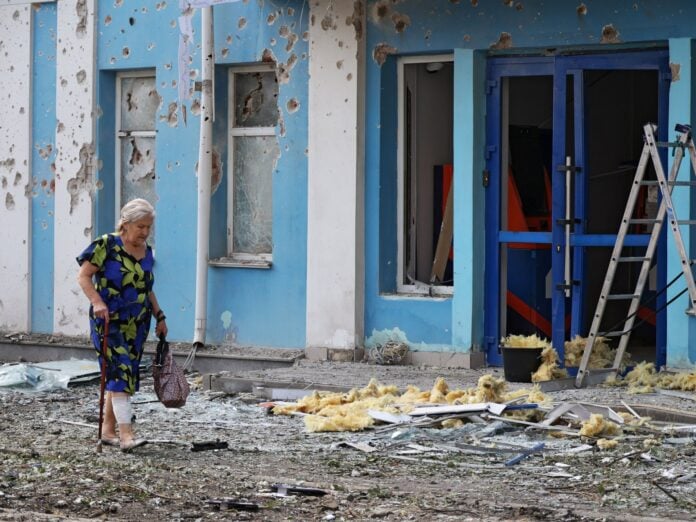
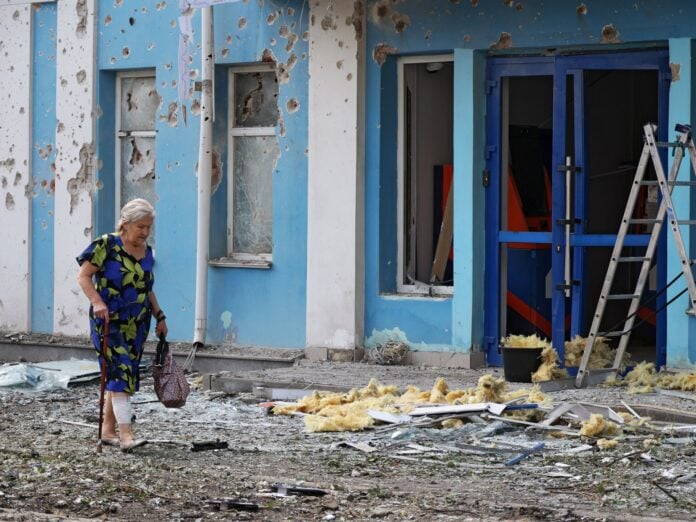
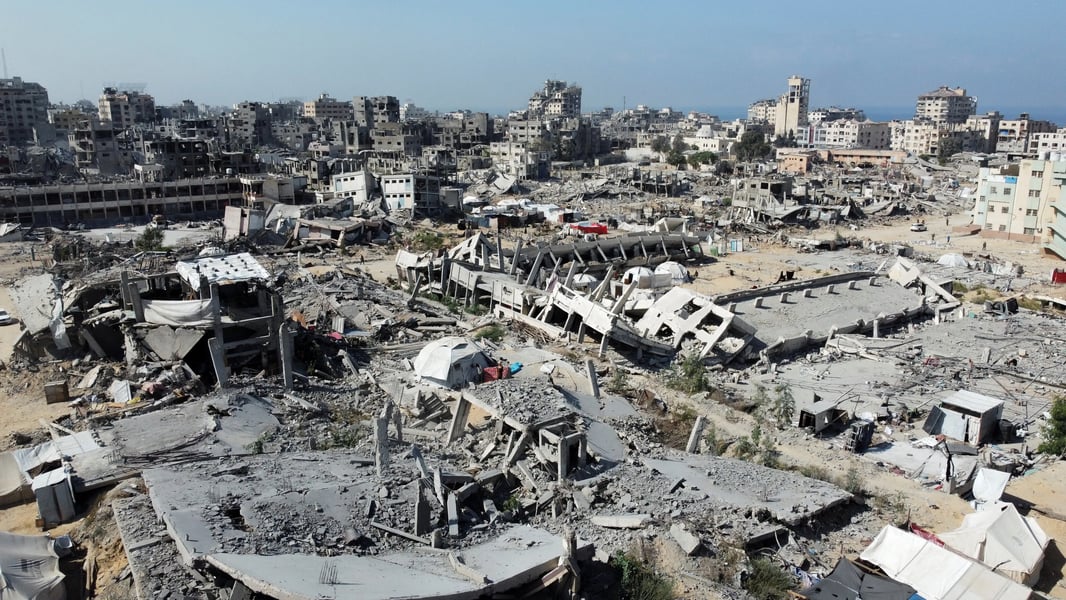
Hamas did not immediately confirm whether Haddad had been killed, though Palestinian rescue teams reported multiple casualties and widespread destruction following the strike. Local medics said several Palestinians were killed and dozens injured after explosions ripped through residential buildings in Gaza City.
The attempted assassination marks a pivotal moment in the war in Gaza, which has devastated the enclave, displaced most of its population, and pushed the region deeper into instability.
Israeli intelligence officials have long considered Haddad among the most elusive and strategically important Hamas commanders. Reports examining the evolution of Hamas military leadership describe Haddad as a shadowy figure who survived multiple assassination attempts while steadily rising through Hamas’s armed ranks during successive wars with Israel.
Following the death of Mohammed Sinwar, Haddad emerged as Hamas’s de facto operational commander in Gaza and became central to the group’s military restructuring efforts.
Israeli officials claim Haddad helped rebuild Hamas networks despite relentless bombardment and repeated Israeli offensives. Analysts say he maintained influence over tunnel operations, battlefield coordination, and hostage-related negotiations while avoiding public appearances throughout the conflict.
Friday’s strike also underscored the rapid collapse of hopes for renewed ceasefire negotiations.
Over recent weeks, Israeli military operations have sharply intensified, with Reuters reporting escalating attacks across Gaza despite international mediation efforts and worsening humanitarian conditions.
Human rights groups and aid organizations warn that the humanitarian catastrophe across Gaza continues deteriorating as hospitals collapse under pressure, food shortages deepen, and entire neighborhoods remain destroyed after years of war and blockade.
International agencies have repeatedly raised alarm over worsening humanitarian conditions in Gaza, where civilians continue to face displacement, infrastructure collapse, and severe shortages of medical supplies.
For Netanyahu’s government, eliminating Haddad would represent one of the biggest symbolic victories since Israel killed several senior Hamas military leaders during the conflict.
Israeli officials increasingly portray targeted assassinations as essential to preventing Hamas from rebuilding military and political authority inside Gaza.
But previous assassinations have repeatedly failed to end the conflict. Instead, analysts say the killings have often triggered further escalation while deepening anger across the Palestinian territories and the wider Middle East.
The strike also intensified scrutiny over rising civilian casualties in Gaza, with humanitarian organizations warning that continued bombardments risk worsening one of the world’s gravest humanitarian crises.
Friday’s strike targeting Hamas leader now threatens to push already fragile diplomatic efforts even further from reach.
As night fell over Gaza City, smoke continued rising from shattered neighborhoods while Israeli drones circled overhead, underscoring fears that the conflict may be entering another dangerous phase with no political solution in sight.
—Inputs from Sputnik.