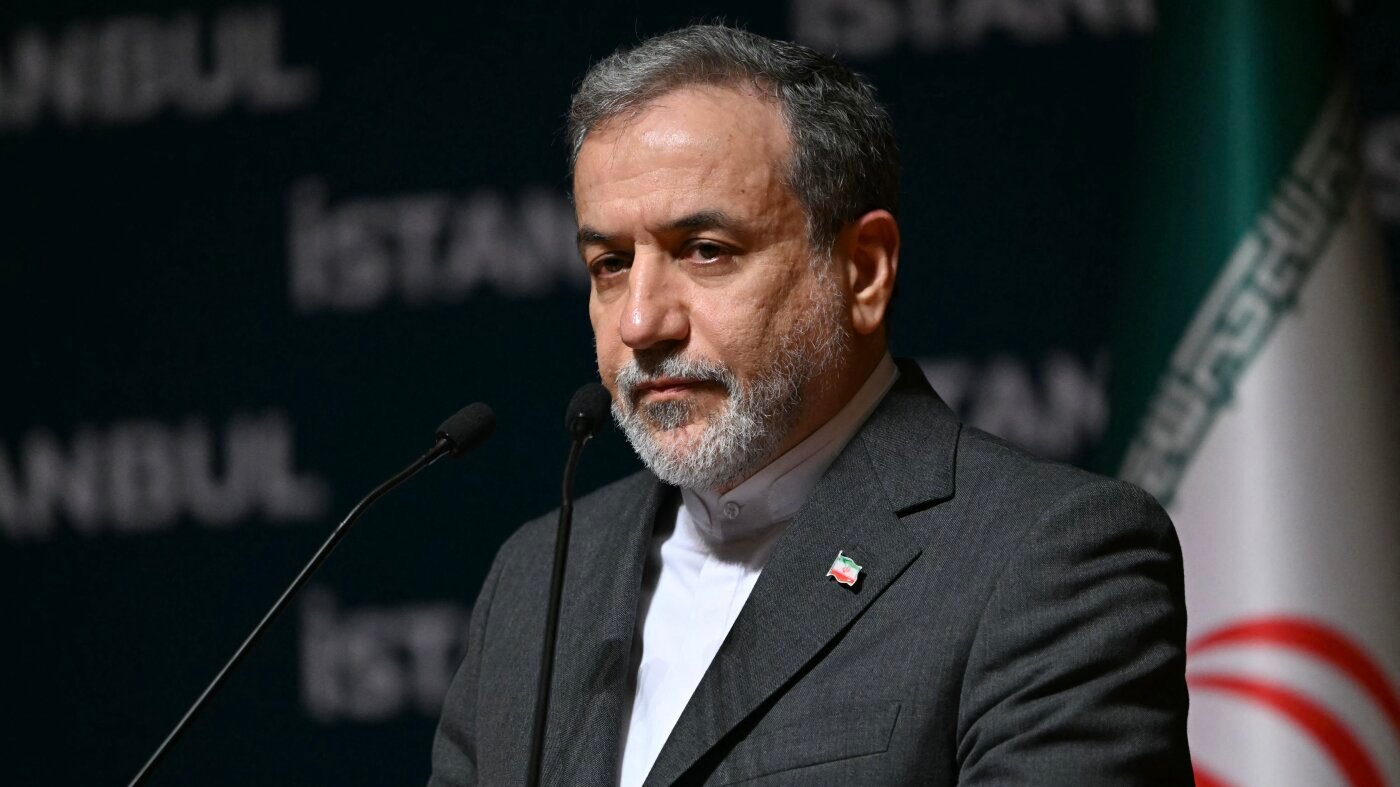

Iran has accused the United States of effectively blocking diplomatic engagement at the United Nations after Foreign Minister Abbas Araghchi was unable to travel to New York for a key UN Security Council meeting because of unresolved visa issues, according to Tehran’s Foreign Ministry.
Iranian Foreign Ministry spokesman Esmail Baghaei confirmed on Monday that Araghchi’s planned participation in the Security Council session had been canceled after Washington failed to finalize the diplomatic visa process in time. The high-level meeting, expected to take place under China’s rotating presidency of the UNSC, comes at a moment of rising geopolitical friction involving Iran, the US, Israel, and Western allies across West Asia.
“”Taking into account these conditions, the visit will not take place, as we are faced with a problem related to the American visa. The meeting, I think, will be held tomorrow and the day after, so the visit will not take place,” Baghaei told reporters.
The incident is rapidly escalating into another diplomatic confrontation between Tehran and Washington, with Iranian officials signaling that the US is once again using its position as host country of the United Nations to impose political pressure on adversaries.
Tehran Blames Washington for Diplomatic Breakdown
Iranian officials say the visa issue prevented Araghchi from participating in discussions expected to focus on international peace and security, regional conflicts, sanctions disputes, and growing instability across West Asia.
The UNSC session had gained additional attention because China currently holds the rotating presidency of the council. Beijing reportedly invited Iran and several other countries to participate in broader discussions concerning regional security and multilateral diplomacy.
Iranian media had earlier reported that Araghchi’s attendance remained uncertain due to delays connected to US diplomatic approvals. Tehran now says those delays effectively made participation impossible.
The cancellation is especially sensitive because under the UN Headquarters Agreement, the United States is generally obligated to facilitate entry for diplomats representing member states attending official UN meetings in New York. Iran has repeatedly argued that Washington selectively weaponizes visa restrictions against Iranian officials despite those obligations.
Over the past decade, Iranian representatives have frequently faced travel limitations, delayed approvals, and movement restrictions while attending UN-related events in the US. Tehran has consistently described these measures as violations of international diplomatic norms.
Rising Iran-US Tensions Overshadow UN Diplomacy
The visa dispute comes amid intensifying tensions between Iran and the United States on multiple fronts.
Relations between the two countries remain deeply strained following years of sanctions, military escalation, proxy confrontations, cyber warfare accusations, and disputes over Iran’s nuclear program. Indirect negotiations between Tehran and Washington have repeatedly stalled despite mediation attempts by regional and international powers.
The latest diplomatic dispute also unfolds against the backdrop of mounting regional instability involving Israel’s military operations in Gaza, growing maritime security concerns in the Persian Gulf, and continued Western pressure campaigns against Tehran.
Iranian officials have increasingly accused the US and its allies of undermining diplomatic engagement while simultaneously demanding concessions from Tehran on nuclear issues and regional security matters.
Political analysts in Tehran view the visa controversy as part of a broader pattern in which Washington seeks to isolate Iran diplomatically even within international institutions meant to facilitate dialogue among rival states.
Several Iranian commentators aligned with conservative and reformist camps alike argued Monday that the incident reflects a contradiction in US foreign policy: publicly advocating diplomacy while restricting participation by officials from countries opposed to Washington’s geopolitical agenda.
China’s Expanding Role at the UN
China’s leadership of the Security Council meeting has also drawn attention because Beijing has steadily deepened strategic relations with Iran in recent years.
China and Iran have expanded economic, military, and diplomatic cooperation under long-term partnership agreements while jointly criticizing unilateral US sanctions and Western interventionist policies.
Beijing has increasingly positioned itself as an alternative power center capable of mediating regional disputes outside the framework traditionally dominated by Washington and European allies.
The UNSC meeting was expected to provide Iran with another opportunity to coordinate diplomatically with China, Russia, and other non-Western states on issues related to sanctions policy, maritime security, and regional conflict management.
Araghchi’s absence therefore carries broader geopolitical implications beyond a routine diplomatic scheduling problem.
Observers note that Iran has recently intensified its outreach toward BRICS-aligned nations and Eurasian powers as part of a wider strategy to reduce dependence on Western-controlled financial and political systems.
Tehran has repeatedly emphasized the importance of strengthening ties with Russia and China in response to what it describes as coercive Western economic and diplomatic pressure.
US Visa Restrictions Have Long Triggered Diplomatic Disputes
This is not the first time Iranian officials have clashed with Washington over diplomatic access to the United Nations.
Previous Iranian foreign ministers, diplomats, and UN representatives have faced travel restrictions or delays entering the US for official meetings. Tehran has often accused successive US administrations of violating international agreements governing the UN headquarters.
In 2020, tensions sharply escalated after Washington denied or delayed visas linked to Iranian diplomatic participation during periods of maximum-pressure sanctions under then-President Donald Trump.
Iranian officials argue that such measures politicize the UN system and undermine the neutrality expected from the organization’s host nation.
The United States, meanwhile, has historically defended restrictions against certain Iranian officials by citing national security concerns and sanctions frameworks.
However, legal experts have frequently noted that the host country agreement limits Washington’s ability to block access for accredited diplomats attending official UN functions.
The latest dispute may therefore revive broader debates over whether the UN headquarters should remain in New York if diplomatic access becomes vulnerable to geopolitical tensions involving the host country.
Iran Signals Frustration With Western Institutions
The visa controversy also reflects wider Iranian skepticism toward Western-led international structures.
Iranian political discourse increasingly portrays institutions dominated by the US and Europe as tools of political pressure rather than neutral platforms for international cooperation.
Officials in Tehran have repeatedly accused Washington and its allies of selectively applying international law, particularly regarding sanctions, military interventions, and conflicts involving Israel.
The cancellation of Araghchi’s trip is likely to reinforce arguments inside Iran that meaningful diplomacy with the West remains constrained by political hostility rather than procedural disagreements.
Iranian state-linked media outlets on Monday framed the visa issue as evidence that Washington seeks to silence opposing voices at major international forums while maintaining influence over multilateral institutions.
The incident may also deepen Iranian public support for expanding strategic partnerships with Russia and China, both of which have consistently criticized US sanctions policies and unilateral diplomatic pressure campaigns.
Regional Implications Could Extend Beyond the UN
The diplomatic fallout arrives at a particularly volatile regional moment.
West Asia remains tense due to ongoing conflict in Gaza, maritime incidents in the Persian Gulf, attacks involving regional armed groups, and unresolved disputes surrounding Iran’s nuclear program.
Diplomatic engagement at the UN Security Council was expected to provide one of the few direct multilateral arenas where Iranian officials could communicate positions to a broader international audience.
Without Araghchi’s participation, Tehran may instead rely more heavily on coordination through allied states such as Russia and China to present its positions during Security Council deliberations.
The development could also complicate ongoing backchannel negotiations involving sanctions relief, prisoner exchanges, regional de-escalation efforts, and maritime security arrangements.
For Iran, the visa dispute is already being presented domestically as another example of what officials describe as the unreliability of US diplomatic commitments.
For Washington, the controversy risks generating criticism from rival powers seeking to portray the United States as abusing its role as host nation of the United Nations for geopolitical leverage.
As geopolitical divisions deepen across the international system, even procedural diplomatic issues such as visas are increasingly becoming flashpoints in the broader confrontation between Western powers and emerging Eurasian blocs led by China and Russia.
—Inputs from Sputnik.
Related Posts