
Oura has officially unveiled the Oura Ring 5, introducing its smallest and most advanced smart ring yet as the company aggressively expands beyond fitness tracking and into preventative healthcare.
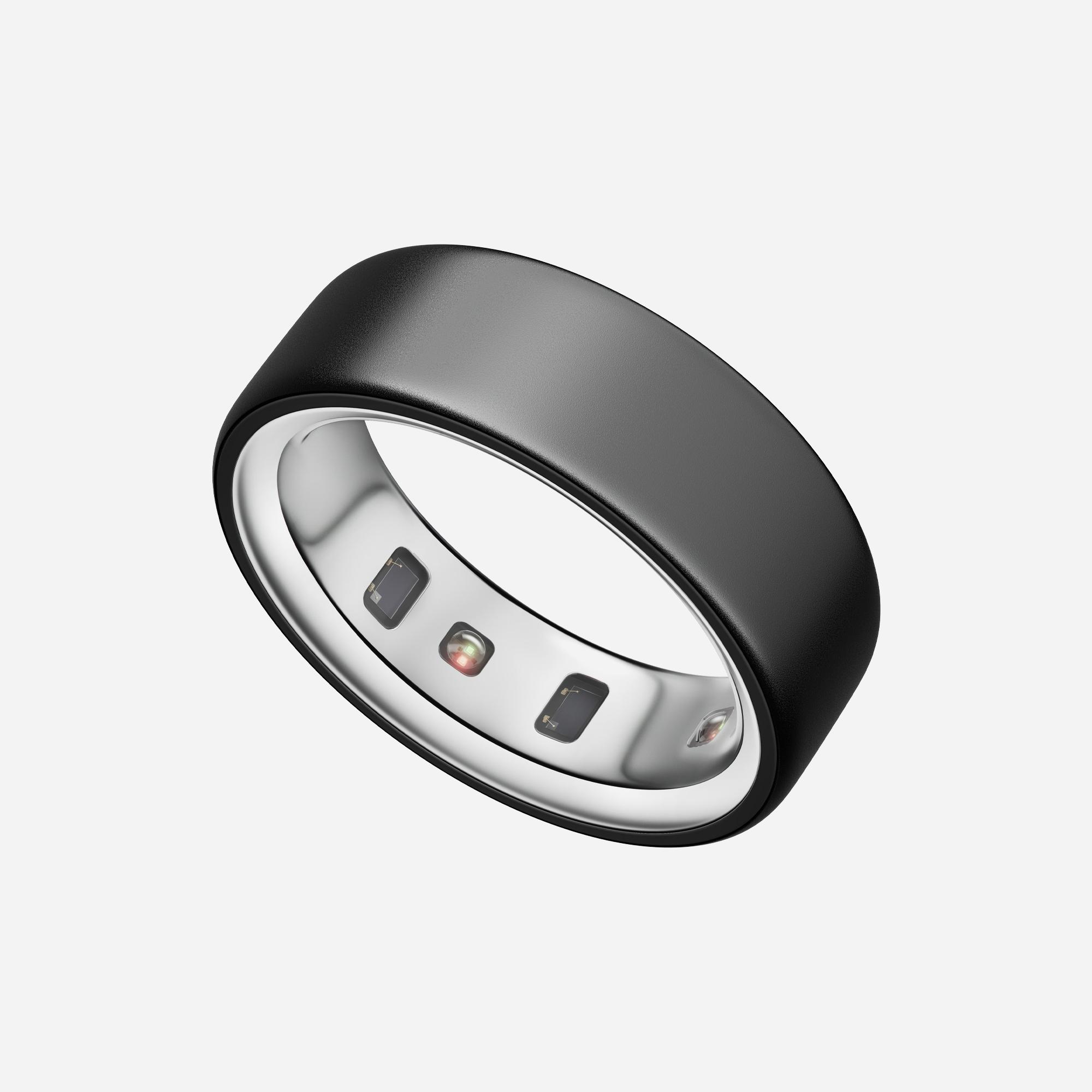
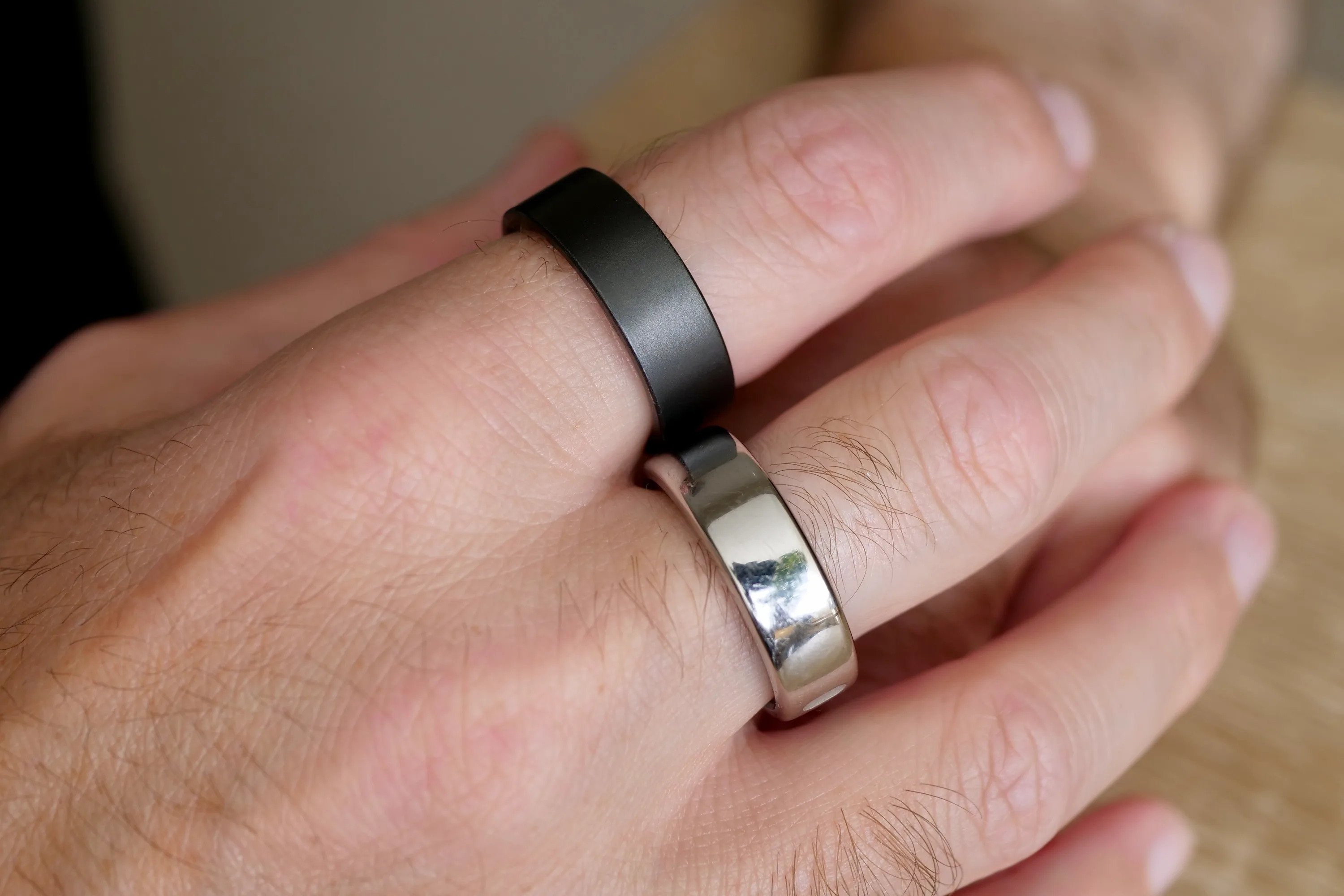
The new wearable is 40% smaller than the previous generation, just 2.28mm thick, and weighs between 2 and 2.69 grams depending on the size. The redesign focuses heavily on comfort, aiming to make the ring feel more like traditional jewelry while improving overnight wearability, an area where Oura has long dominated the smart ring market. nighttime breathing analysis
But the biggest story surrounding the Oura Ring 5 is not simply its slimmer body. It is Oura’s growing ambition to become a serious healthcare technology company.
The Ring 5 introduces several new health-focused capabilities, including Blood Pressure Signals, Nighttime Breathing analysis, enhanced sleep apnea detection, and an upgraded AI-powered “Oura Advisor” system that can provide personalized wellness guidance and even connect users with licensed medical professionals through healthcare partnerships.
Oura wants to turn smart rings into healthcare platforms
For years, Oura built its reputation around sleep tracking and recovery insights. Athletes, celebrities, and wellness enthusiasts embraced the wearable because it offered deeper health data than many smartwatches while remaining discreet and lightweight.
Now the company is trying to evolve into something much bigger.
The Oura Ring 5 adds new upgraded biometric sensors, stronger LEDs, and improved signal accuracy that help track heart activity, respiratory patterns, stress levels, and recovery metrics with greater precision.
One of the most notable additions is Blood Pressure Signals, which aims to identify trends associated with hypertension during sleep. Oura is also expanding its nighttime breathing analysis to better detect irregular breathing patterns that may indicate sleep apnea or other respiratory issues.
The company is careful not to market these features as replacements for clinical diagnosis, but the direction is clear. Oura increasingly wants its wearable to act as an early warning system for health problems before users ever visit a doctor.
The company’s AI-powered Oura Advisor also plays a central role in this strategy. The assistant can analyze health data, answer wellness questions, recommend behavioral changes, and deliver personalized coaching based on trends in sleep, stress, and recovery.
Oura says the AI system can even escalate certain concerns through integrations with healthcare partnerships and telehealth services.
Smaller hardware without sacrificing battery life
Despite the dramatically smaller size, Oura claims the Ring 5 can still deliver up to nine days of battery life.
The company redesigned the internal architecture of the ring, including more efficient sensors and updated power management systems. A new portable charging case can also provide up to five additional charges for travelers and heavy users.
The ring is made from titanium, offers improved scratch resistance, and carries IP68-rated dust and water resistance.
Oura also introduced a new “Deep Rose” color option alongside standard black and silver finishes.
Pricing starts at $399 for the base versions, while premium finishes cost more. Like earlier Oura devices, many of the advanced software features require a monthly subscription.
Preorders opened May 28, with shipping expected to begin June 4.
AI and medical integrations become the real battleground
The wearable market is rapidly shifting away from simple step counting and toward proactive health management.
Smart rings are especially attractive because they are smaller, less distracting, and easier to wear overnight compared to smartwatches. That makes them particularly effective for sleep tracking, one of Oura’s strongest categories.
But competition is growing fast.
Samsung entered the market with the Galaxy Ring, while companies like Ultrahuman and RingConn are aggressively expanding their own ecosystems.
Oura appears determined to stay ahead by focusing less on hardware gimmicks and more on clinical health monitoring.
The Ring 5 supports GLP-1 medication tracking, personal health record integration, lab result uploads, and improved compatibility with third-party devices.
The company also introduced new privacy tools, including time-based health data deletion and stronger biometric security protections.
Those additions reflect growing concerns over how sensitive health information from wearables may be stored, analyzed, and shared. Similar concerns have already emerged around wearable privacy concerns as AI-powered devices become more mainstream.
Why the Oura Ring 5 could reshape the wearable industry
The Oura Ring 5 is more than just another smart ring upgrade.
It represents a broader shift happening across consumer technology, where wearable devices are evolving into continuous health monitoring systems capable of identifying risks long before symptoms appear.
By making the ring significantly smaller while simultaneously expanding its medical and AI capabilities, Oura is trying to solve two major challenges at once: making health tracking invisible and making it genuinely useful.
That combination could push smart rings beyond fitness enthusiasts and into mainstream healthcare conversations over the next several years.
If Oura succeeds, the future of wearables may look a lot less like bulky smartwatches and much more like everyday jewelry quietly collecting critical health data in the background. The company’s strategy also reflects the wider boom in screenless wearables and AI-driven wellness ecosystems.