
SARAJEVO – The law Bosnia’s parliament passed in March moved fast. It designated a single company – a Wyoming-registered firm that had not built a pipeline anywhere – as the developer of a $1.5 billion gas infrastructure project linking the country to Croatia’s LNG terminal. No competing bids were invited. No public tender was held. The state-owned transmission company was written out entirely.
What company filings make plain is who runs AAFS Infrastructure and Energy: Jesse Binnall, the lawyer who led Donald Trump’s legal effort to overturn the 2020 election, and Joseph Flynn, the brother of Trump’s first national security adviser, Michael Flynn. Neither man has a disclosed track record in large-scale energy infrastructure. The company had no apparent operational history before surfacing in Sarajevo in late 2025, shortly after Trump’s election victory.
EU ambassador to Sarajevo Luigi Soreca warned Bosnian leaders in April that the legislation could jeopardise the country’s EU accession process and put at risk approximately one billion euros in EU Growth Plan funding. Bosnia has been an EU candidate since 2022. Transparency International described the parliamentary move as a dangerous precedent that risked seriously undermining the public interest by foreclosing competition. Bankwatch’s Pippa Gallop said it raised red flags for corruption and excessive transfer of financial risks to the Federation, with the public bound to end up paying via bills or the Federal budget.
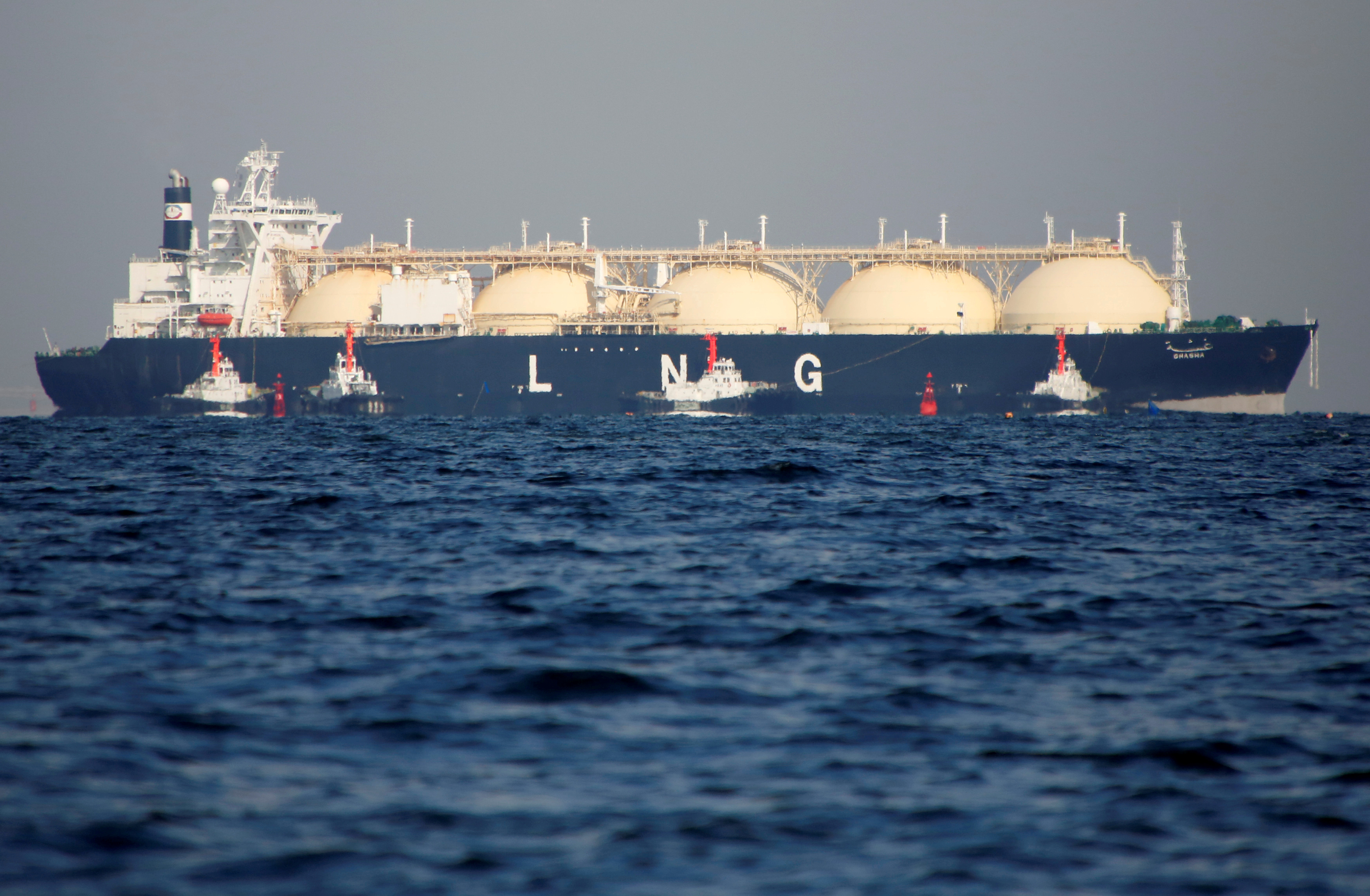
Bosnia imports roughly 225 million cubic meters of gas each year, entirely via Russian pipelines through Serbia and Bulgaria. The Southern Gas Interconnection would link Bosnia to Croatia’s LNG terminal on the island of Krk, where American gas arrives. Brussels set a 2028 deadline for EU candidate countries to end Russian gas purchases. For Bosnia, that deadline is otherwise unworkable.
That is the Trump administration’s argument. Energy Secretary Chris Wright announced the pipeline at the Three Seas Initiative forum in Dubrovnik in late April and said the region was returning to common sense. The US Embassy in Sarajevo called the parliamentary vote a big step for energy security and hosted meetings between Bosnian officials and AAFS throughout the process. Binnall described the project as one of the priority projects for the Trump administration.
None of which answers whether AAFS should build it. Binnall has not disclosed who is financing the $1.5 billion commitment, on what terms, or which engineering contractors have been engaged. No comparable completed projects have been identified. The Bosnian Federation’s amendments sidelined BH-Gas, the state-owned company that had been the expected vehicle, placing work already conducted by Bosnian engineers into AAFS’s hands with no competitive process.
The Bosnia deal sits within a wider pattern of Trump-linked commercial interests moving into a region with weak procurement laws. Trump’s son-in-law Jared Kushner’s Affinity Partners has pursued Balkans real estate ventures, several of which have stalled. Michael Flynn has separately maintained contact with Milorad Dodik, the leader of Bosnia’s Serb Republic and a Putin ally whom Trump lifted US sanctions on in 2025. AAFS arrived with White House connections but no verifiable infrastructure credentials.
EU officials insist their position is procedural: energy-sector legislation must be submitted for review under Bosnia’s accession obligations, and the Southern Interconnection was not. The broader EU drive to end Russian energy dependence by 2028 has exposed the vulnerabilities of countries that remained tied to Moscow. Bosnia is among the most exposed. Handing a no-bid contract to a company with no confirmed delivery experience and then watching Brussels flag it as an accession risk is a trade-off Bosnian lawmakers have not publicly explained.
Russia still holds the gas supply relationships that give it leverage across the region, and the pipeline would break that leverage for Bosnia. Whether AAFS can be trusted to build it – without a tender, without disclosed financing, and led by men whose primary credential is closeness to Donald Trump – is the question neither Sarajevo nor Washington has chosen to answer. Across the region, the pattern of Trump-linked commercial ventures arriving in strategic language is becoming familiar. In Bosnia, it may cost more than expected.