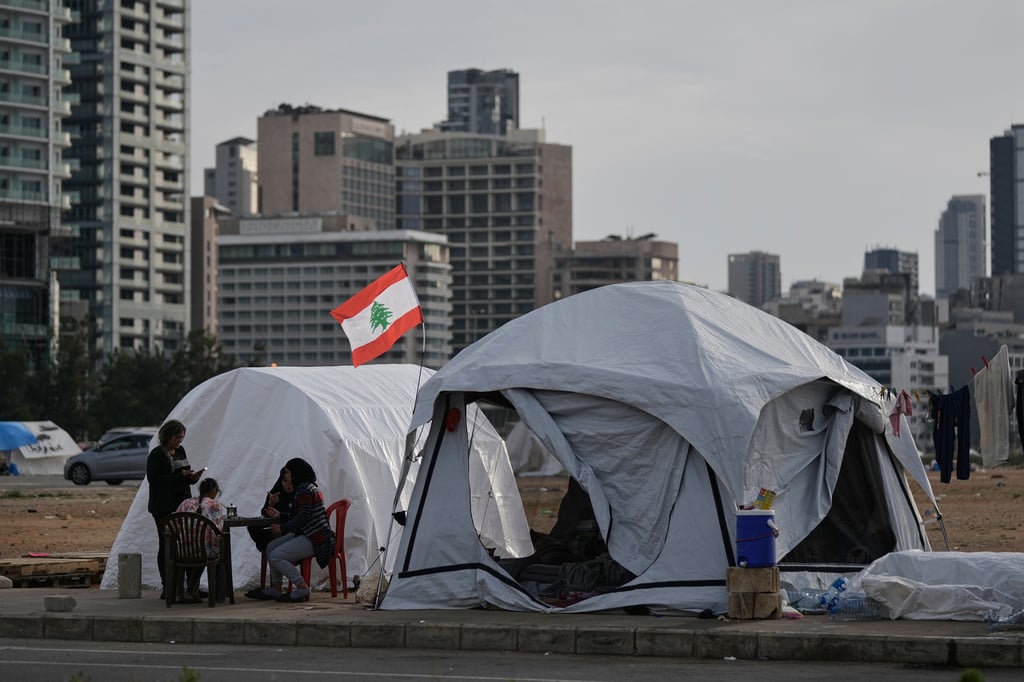

BEIRUT — The figure Agriculture Minister Nizar Hani cited on Tuesday was not a projection. It was a reckoning. Between 18 and 23 percent of Lebanon’s population — somewhere between 1.1 and 1.4 million people — now requires food aid, he told RIA Novosti, a threshold that would have seemed extreme before a war Israel launched in March reshaped the country’s agricultural map.
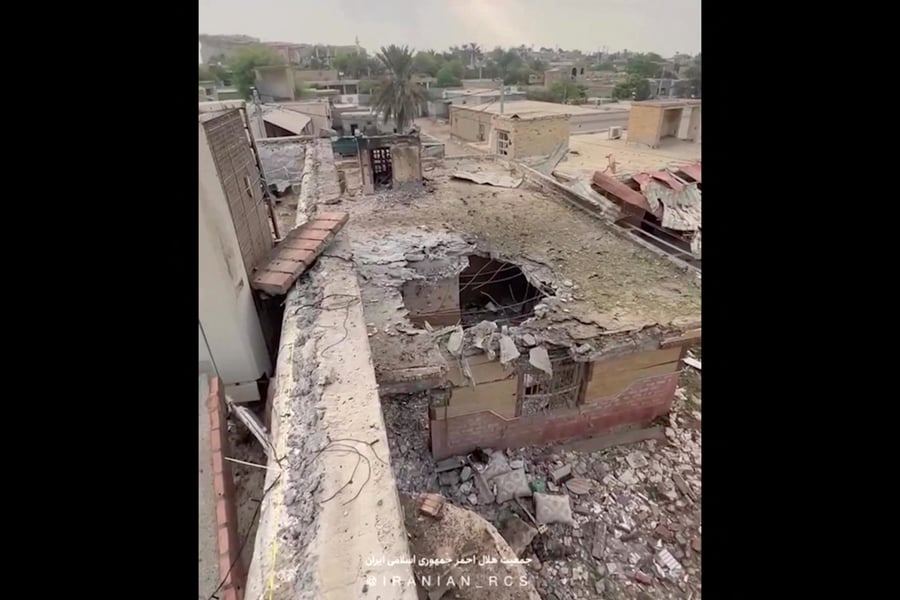
The scale of what happened to Lebanese farmland is still being tallied. Hani said the conflict has directly or indirectly affected approximately 56,000 hectares — roughly a quarter of the country’s cultivable territory. Direct damage has reached 22.5 percent of the agricultural sector. Neither figure has been independently revised upward since strikes continued through early June, and neither accounts for land that is technically intact but unreachable.
In the south, the destruction is not partial. Hani said 78 percent of farmers in southern Lebanon have been forced to abandon their farms. That is not a disruption to supply chains; it is the removal of the people who maintain them. “This led to a halt in agricultural production and negatively impacted the local and national economy, supply chains, prices, and market volumes, particularly for citrus fruits,” he said. The citrus detail is not incidental — the Tyre and Nabatieh regions had been Lebanon’s primary citrus-producing zones before the fighting made access to them functionally impossible.
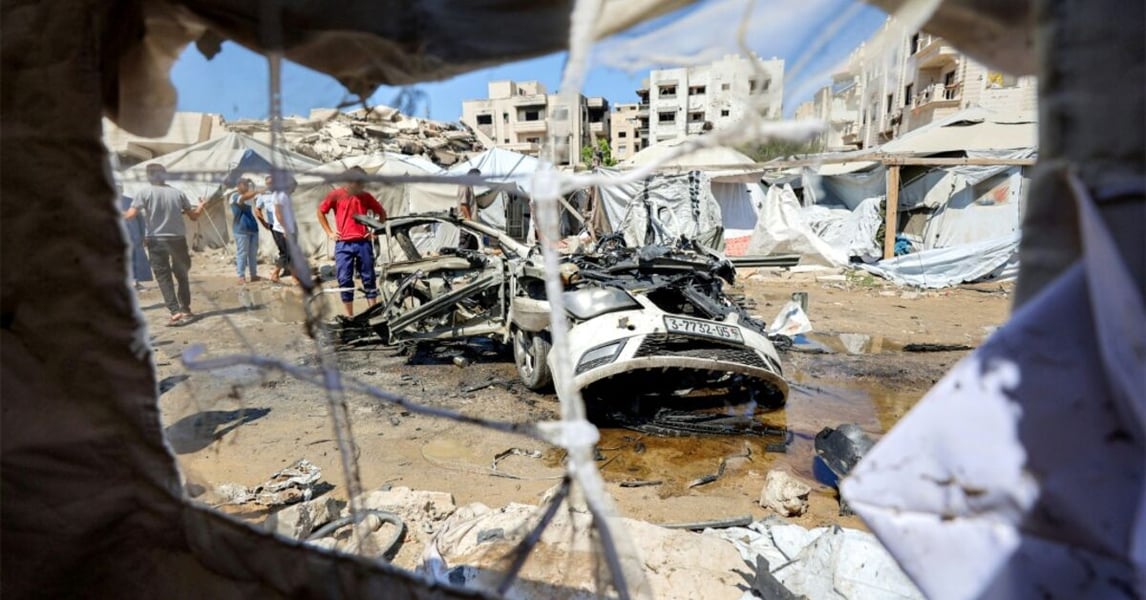
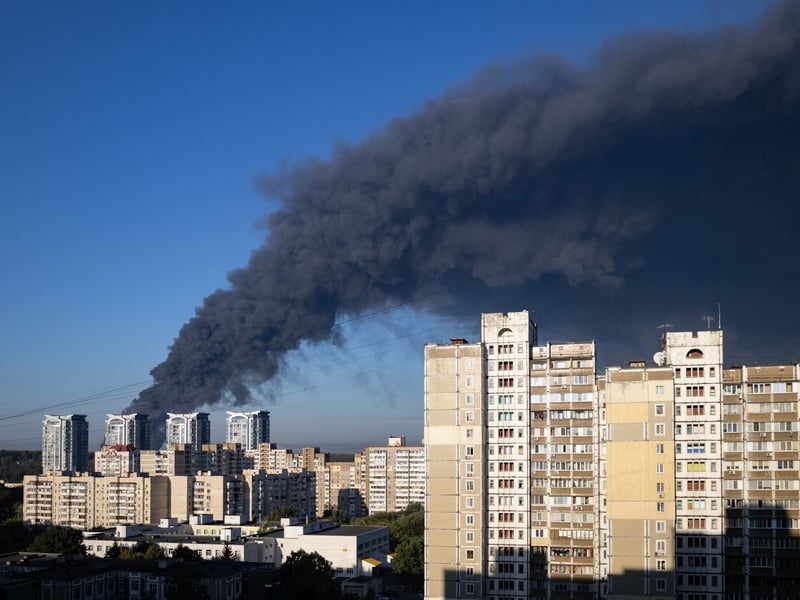
The minister’s figures arrive as a fragile and repeatedly violated ceasefire holds Lebanon in an ambiguous state between active war and its aftermath. On Monday, Israeli Prime Minister Benjamin Netanyahu ordered fresh strikes against Hezbollah targets in Beirut’s southern suburbs. Iran’s foreign ministry called the attack a violation of its own ceasefire with Washington. By evening, President Donald Trump had announced that Israel and Hezbollah had again agreed to stop shooting. By Tuesday morning, the Israeli military was still carrying out strikes on towns in southern Lebanon.
That pattern — declaration, then continuation — has become the governing reality of the humanitarian situation Hani described. The UN-backed Integrated Food Security Phase Classification, working alongside the Food and Agriculture Organization and the World Food Programme, projected in late April that 1.24 million people would face crisis-level food insecurity or worse between April and August. That assessment predated Monday’s strikes on Beirut.
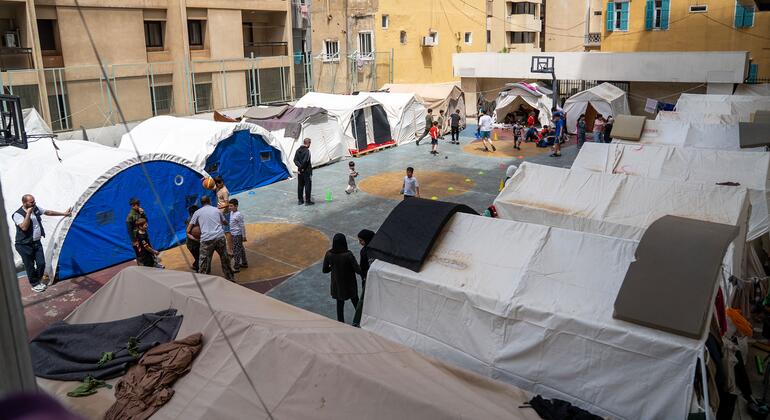
The WFP’s country director in Lebanon, Allison Oman Lawi, described the situation in April as one where “families who were just managing to cope are now being pushed back into crisis as conflict, displacement and rising costs collide.” Seven bridges across the Litani River — the central corridor linking southern Lebanon to the rest of the country — were struck in the latest fighting, according to UN News reporting from May. Only 15 percent of shops in el-Nabatieh remained fully operational. The price of bread, already subsidized, rose 8 percent at regulated bakeries and closer to 30 percent at others.
The ministry Hani oversees has prepared what it is calling a ten-year agricultural development program for 2026 to 2036. It includes a cooperation agreement with China to deploy drones for monitoring crop diseases, assessing forest conditions, and more precise application of pesticides. The details of who funds what share of that program, and whether infrastructure will exist to execute it when the fighting stops, have not been spelled out.
What is visible, from the minister’s own numbers, is the math underneath. Lebanon’s population stands at roughly 5.3 million, not including a Syrian refugee population that aid agencies estimate at over one million. If 23 percent of residents require food aid, that means the war has not merely disrupted agriculture — it has created a dependency on external assistance that did not exist at this scale before March. The FAO has said it needs approximately $19 million in emergency assistance for Lebanon; the United States, which withdrew its $300 million contribution to the agency in January, is not among the donors currently filling that gap.
Lebanon’s agricultural sector was already among the most vulnerable in the region before this war began. A decade of economic collapse, currency devaluation, and the cascading Middle East crises now straining UN resources had left farming communities with less capital, less equipment, and shrinking access to export markets. The southern farming belts that Hani described as now largely emptied of their workforce were the sector’s last viable productive zones. Whether they can be reconstituted after a ceasefire that keeps collapsing is a question his ten-year plan does not yet answer.
Among ongoing assessments of Lebanon’s mounting death toll and displacement, the agricultural dimension has received less attention than the military exchange or the diplomatic talks circling it. Hani’s interview with RIA Novosti changed that frame, if only slightly — offering numbers from inside the Lebanese government that translate the security situation into the more mundane register of how many households can no longer feed themselves without outside help.
What those households are waiting for is not a ten-year program. What they are waiting for is a ceasefire that holds long enough for their farmers to return.
—Inputs from Sputnik.
Related Posts