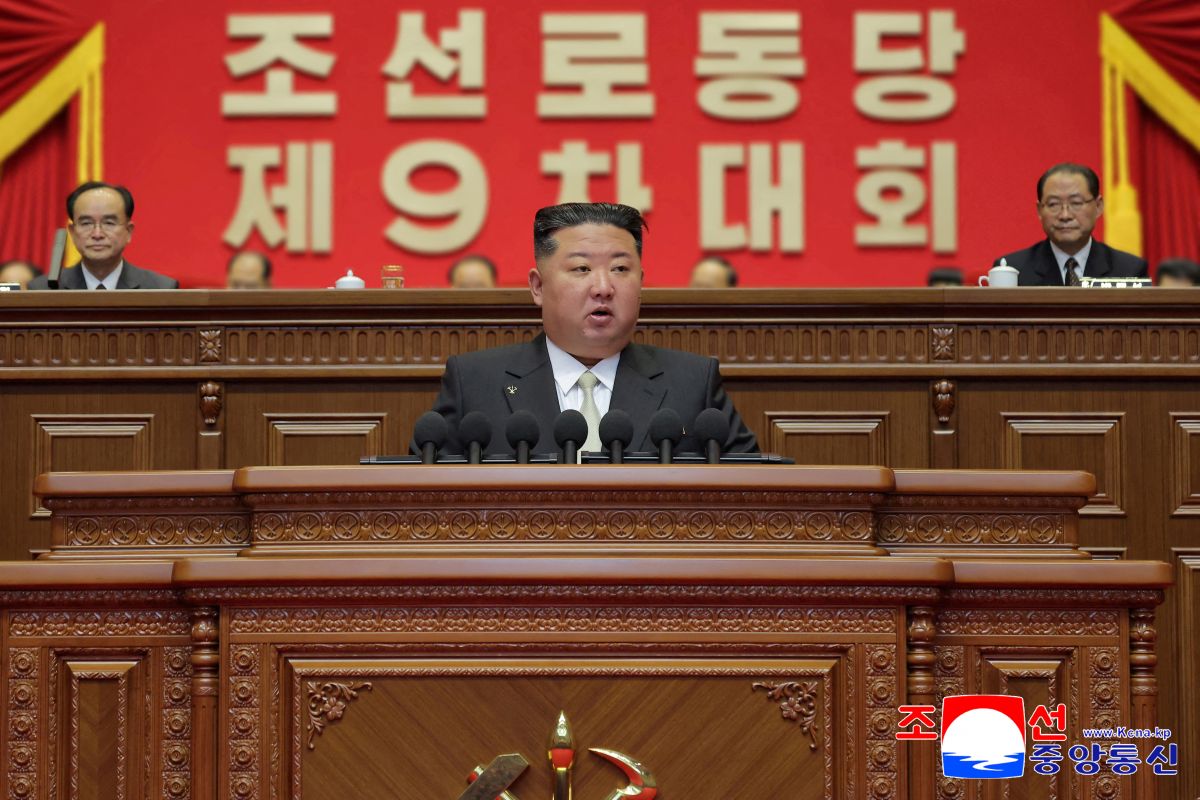

SEOUL — The economy that decades of Western sanctions were designed to strangle is, by the best measures anyone has, in the middle of its strongest run in more than a decade. North Korea has posted the fastest growth of Kim Jong Un’s rule, a quiet boom that the architects of the pressure campaign against it did not plan for and have struggled to explain.
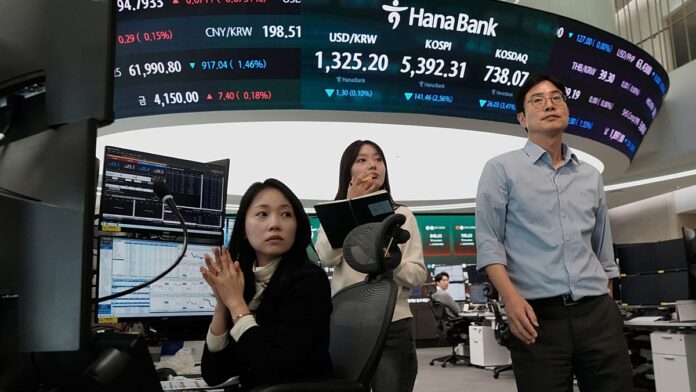
The numbers come from the Bank of Korea in Seoul, which produces the standard outside estimate of an economy that publishes almost nothing about itself. It put North Korea’s real output up 3.7 percent in 2024, to around $26.6 billion, the largest expansion in years. Manufacturing rose 7 percent, the most in a quarter of a century, and mining climbed 8.8 percent, its best showing since 1999. The Wall Street Journal, surveying the same trend, called the country the protagonist of one of the world’s most astonishing economic success stories, and judged this its strongest economy since Kim took power in 2011.
The signs are visible from the street. Kim has driven a national construction drive that put up 10,000 new apartments in Pyongyang in a single year, more than were built in Los Angeles or Chicago. The capital now has car dealers offering BMWs, an internet gaming cafe and shops for pet owners, and domestic factories turn out roughly half a million mobile phones a year across more than fifty brands. For a state long treated as a synonym for famine, the showcase city is being visibly remade.
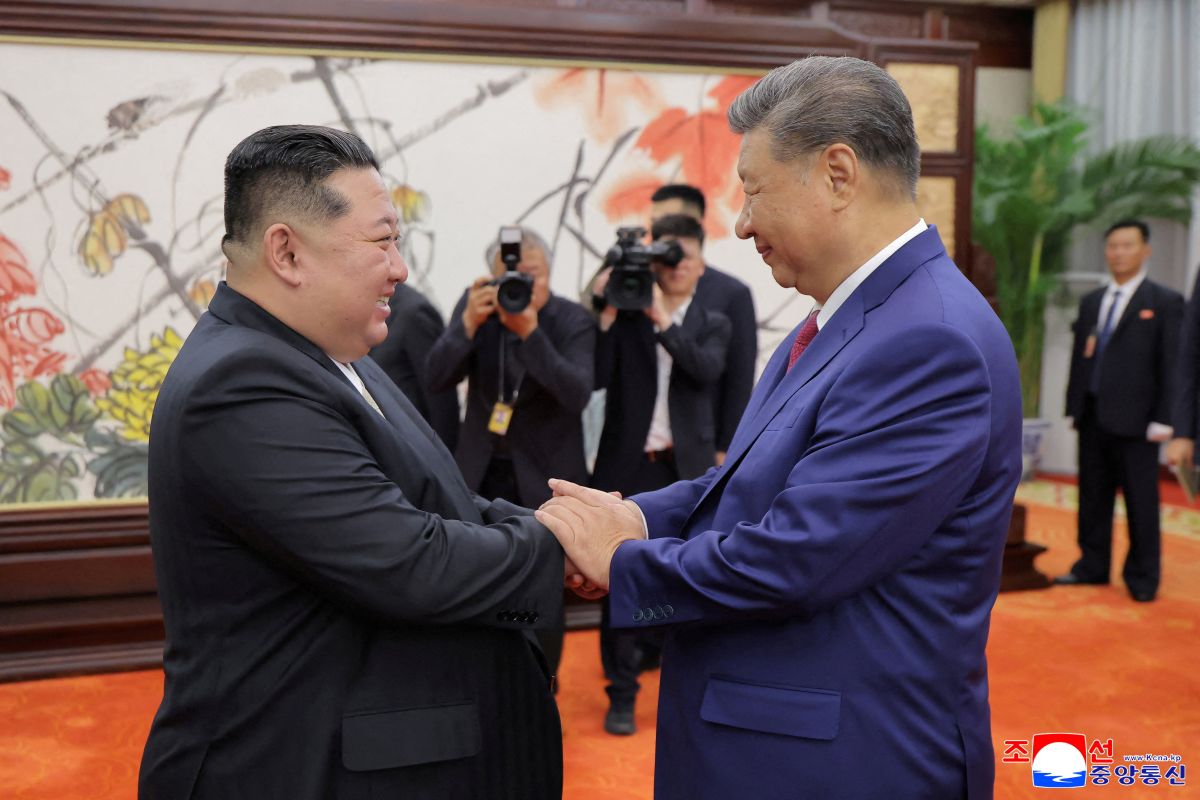
Two engines are driving it, and both sit beyond the reach of Western enforcement. The first is China, which takes as much as 95 percent of North Korea’s trade and remains the indispensable lifeline; commerce between the two jumped 22 percent in the first two months of this year alone, the latest sign of a leadership that has spent the year drawing closer to Beijing. North Korea, in the phrase Chinese officials favour, leans on its giant neighbour for almost everything it buys and sells.
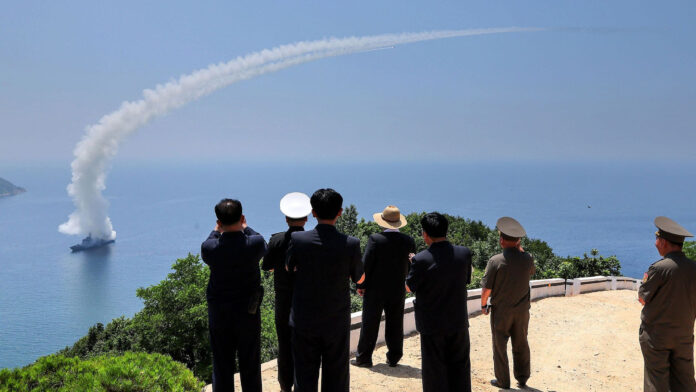
The second engine is the war in Ukraine. Since 2022, Pyongyang has shipped artillery, shells and eventually soldiers to Russia, and analysts in Seoul estimate the arms trade alone may have earned it close to $10 billion, enough to reverse the slump that followed its long pandemic lockdown. The same alignment that Washington treats as a threat has functioned, for North Korea, as a stimulus, part of the tightening bloc of China, Russia and North Korea that has made Western isolation not just survivable but, in places, profitable.
This is the part the architects of sanctions find hardest to absorb. North Korea is among the most heavily penalised states on earth, and its economy is growing fastest at the precise moment the full machinery of pressure is in place. The restrictions did not deliver the collapse they promised; they delivered self-reliance and a pivot toward partners who simply do not enforce them, one more case of a Western strategy that keeps failing to force the surrender it expects.
None of which makes the boom a miracle, and it should not be oversold. North Korea’s economy remains a tiny fraction of South Korea’s, the figures are estimates of a country that hides its books, and the windfall from Russia is tied to a war that will not last forever. Russia, for all its new closeness, cannot replace China as a trading partner, and much of the visible prosperity is concentrated in Pyongyang, the capital the leadership most wants outsiders to see, rather than in the provinces where most North Koreans live.
The trend still cuts against the premise of the policy aimed at it. The wager that isolation would eventually force Pyongyang to capitulate has instead driven it deeper into the company of the two powers Washington most wants to contain, and every fresh tightening of sanctions has become another reason for the three to close ranks. A country written off as a failed state is raising apartment towers and selling smartphones, financed largely by Beijing and Moscow. Whether the boom outlasts the war that helped pay for it is the open question. That it happened at all has already dented the assumption that sanctions, given enough time, always win.