
WASHINGTON — For the next three years, the agency that has become the most feared arm of the federal government will not have to ask Congress for money. That is the practical meaning of a single-vote margin in the House on Tuesday, and it is why immigrant families in the cities where the raids have already arrived now have a calendar to dread rather than a budget fight to pin their hopes on.
The House passed the Secure America Act by 214 to 212, sending roughly 70 billion dollars in immigration enforcement money to President Trump’s desk and ending a standoff that had run for almost four months. Every Democrat voted no. So did one member who caucuses with the majority, Representative Kevin Kiley of California, an independent, CNN reported.
The number is large, but the structure is the point. The law hands about 38 billion dollars to Immigration and Customs Enforcement and 26 billion to the Border Patrol, and sets aside a further 5 billion as a discretionary pool controlled by the homeland security secretary, Markwayne Mullin. It funds all of it through the end of Trump’s term, a design Republicans chose so that no future Congress, and no future shutdown, could touch it.
Speaker Mike Johnson did not pretend otherwise. By funding the agencies for three years, he said, Republicans had stripped their opponents of the power to cut the money or hold it hostage for the rest of the administration. He called the vote the end of the third Democratic shutdown of this Congress and took the kind of victory lap a one-seat margin rarely earns.
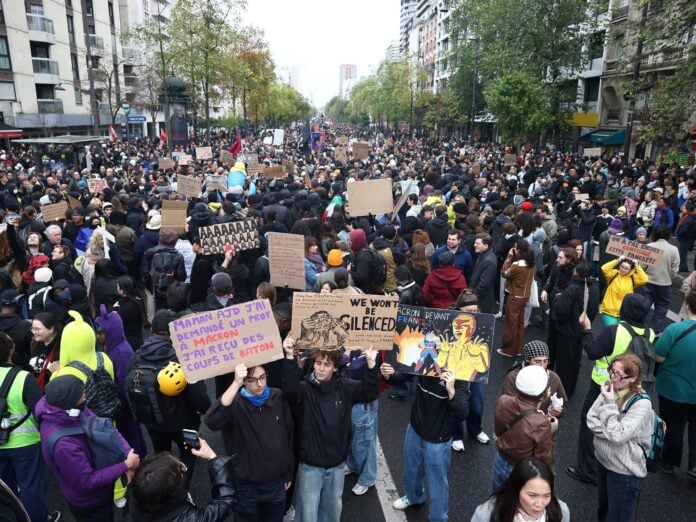
What that framing leaves out is how the fight began. For 115 days Democrats had refused to approve new money for ICE and the Border Patrol, a refusal that hardened after federal officers shot and killed two protesters in Minneapolis earlier this year. The party that controls neither chamber had little left to bargain with except the budget, and on Tuesday that last piece of leverage came off the table for the duration of Trump’s presidency.
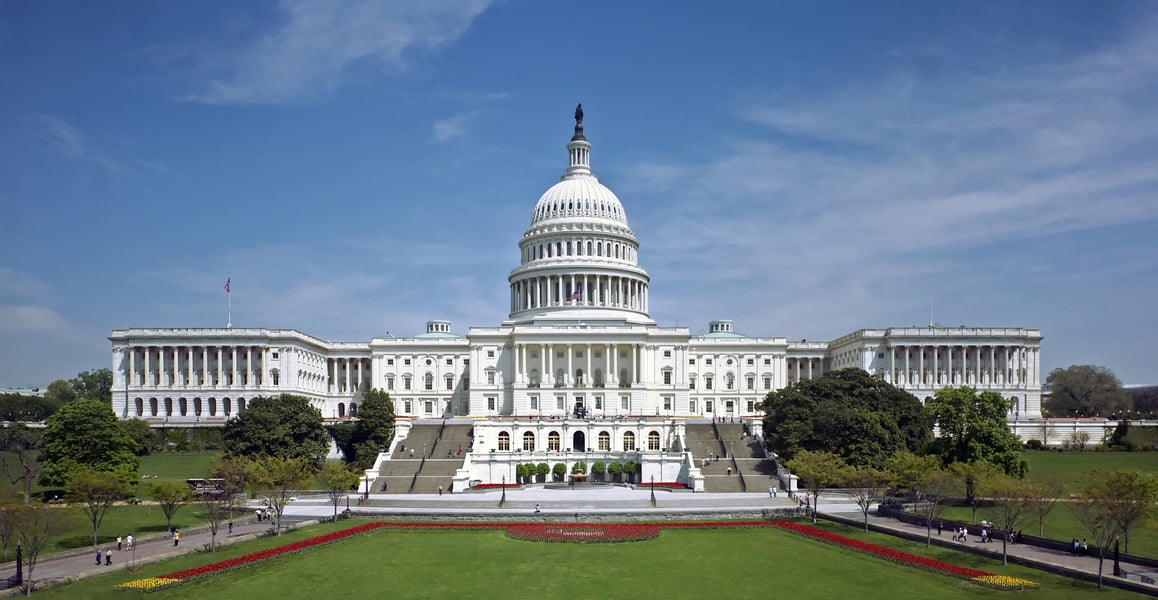
The Democratic objection on the floor was not subtle. Representative Pete Aguilar of California, who chairs the House Democratic caucus, said Republicans were pouring taxpayers’ money into an agency that has brutalized communities. The minority leader, Hakeem Jeffries, who had spent the morning telling supporters his caucus was a hell no, said afterward that he had voted against a scheme to strip health care from Americans in order to fund what he called ICE brutality. The word brutality, from the two ranking Democrats in the House, was not an accident.
Republicans answered in the language of the border. The majority leader, Steve Scalise, said Democrats had refused to fund the agencies because they wanted open borders, the line the party has run on for a decade. The White House, in a statement after the vote, credited the law with locking in record-low crossings and said the money would let the government go after more people. The border czar, Tom Homan, said the funding would pay for increased targeting and arrests, along with the vendors and medical contractors a detention system at scale requires.
The bill nearly came apart on the Republican side before it passed. Representative Chip Roy of Texas, among the hardliners who had withheld support, agreed to let it advance only after Johnson promised a separate vote on further border legislation within weeks, the kind of side deal that has become the price of moving anything through this House. It fits a presidency that has made the border its organizing idea, from the southern desert to a parallel fight over a bridge on the Canadian line.
For all the noise, the mechanics were quiet. The Senate had already cleared the measure last week using reconciliation, the budget procedure that let Republicans pass it with 51 votes and bypass the 60 a normal bill would need, CNBC noted. That is how 70 billion dollars in enforcement money moved through a divided Washington without a single vote from the other party.
The deeper argument, the one Democrats kept returning to, was about more than money. By guaranteeing ICE its funding through 2029 and shielding it from the appropriations cycle, Congress gave up the main tool it has to oversee an agency, the power to withhold its budget. That surrender lands at a moment when courts are already weighing the constitutional limits on how the state treats people in its custody. The same questions of cruelty and restraint that hang over a death chamber in Alabama hang, in a different key, over a detention system about to expand.
What the vote does not settle is how the money will actually be spent. The law authorizes the funding but does not script the operations, and the 5 billion dollars now sitting in Mullin’s hands has no published plan attached to it. Trump is expected to sign quickly, though the White House has not said when. Whether the expanded budget produces the surge in arrests Homan describes, or runs into the courts, the midterms, and the limits of how fast a bureaucracy can grow, is the part no one in the Capitol can answer yet.
For now the law is written and the margin held. An agency that spent the spring waiting on Congress will spend the next three years without that worry, and the communities that have learned to watch for its vehicles will spend them the same way.