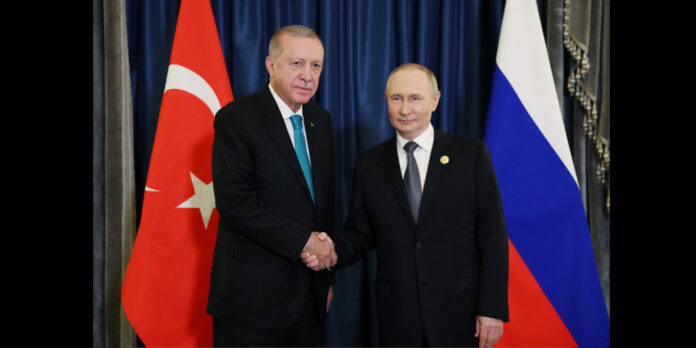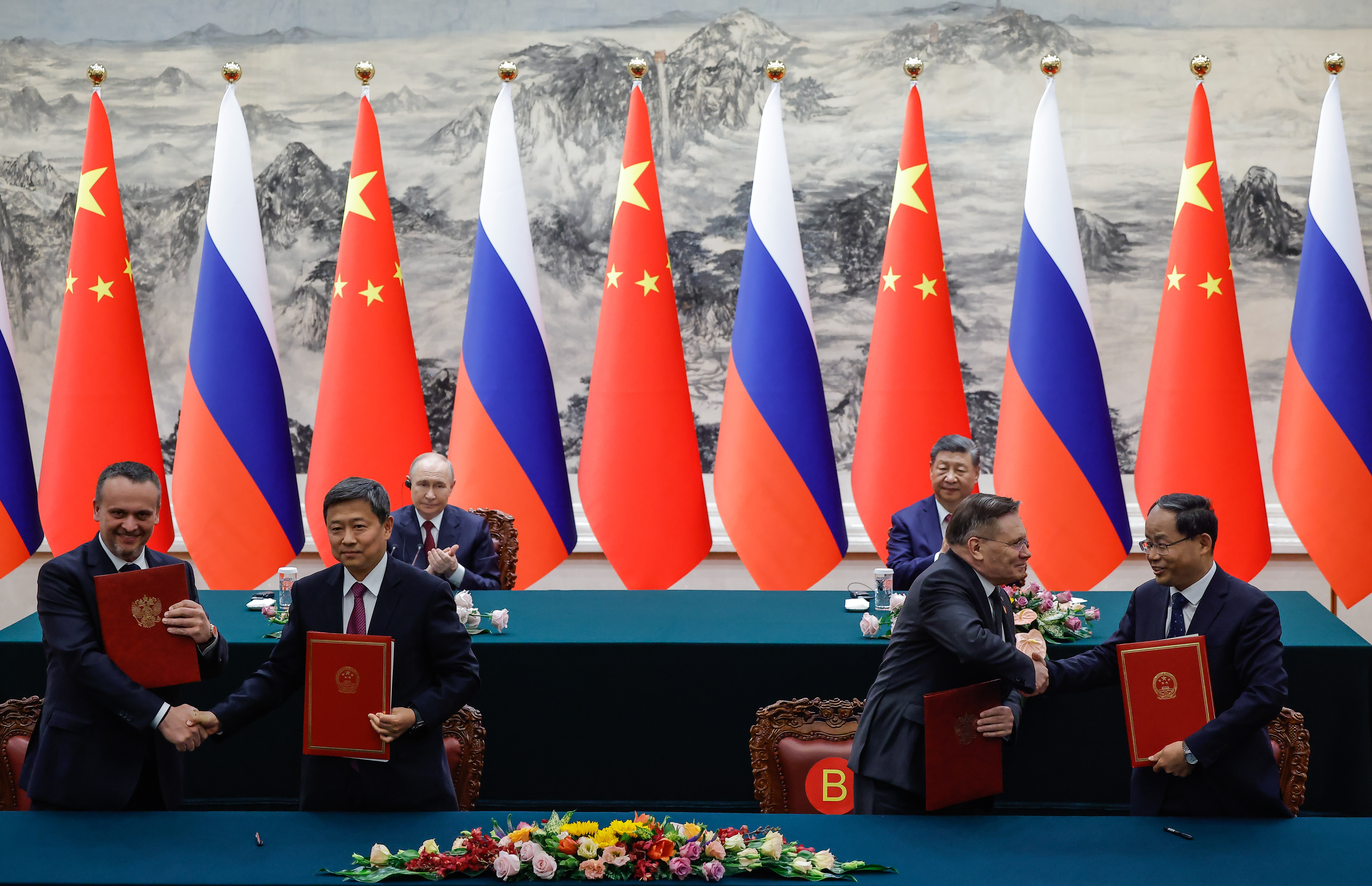

MOSCOW — For two days next week, Vladimir Putin will barely leave the negotiating table.
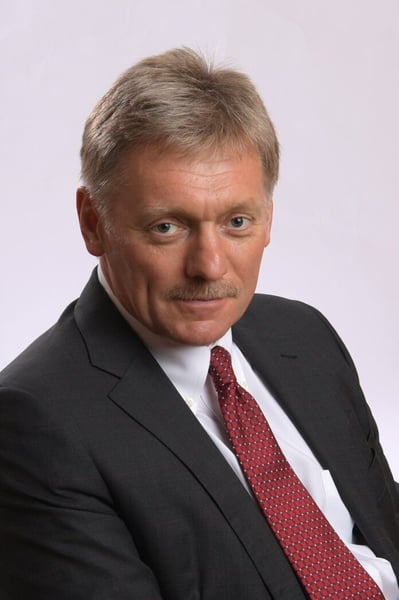
Kremlin spokesman Dmitry Peskov disclosed on Wednesday that the Russian president has a dense schedule of one-on-one meetings packed around the Russia-ASEAN commemorative summit in Kazan on June 18, calling it a “marathon” for Putin across both summit days. The full roster of bilateral partners, Peskov told reporters, would be announced in the coming days.
The description matters because it is the first confirmation from Moscow of the scale of individual diplomacy planned around what is officially billed as an anniversary gathering — thirty years since Russia and the Association of Southeast Asian Nations established their dialogue partnership. A two-day marathon of bilateral meetings is not the language of a commemorative photo opportunity. It is the language of a working summit, and the Kremlin wants that framing understood before the first handshake in Tatarstan.
The summit itself is scheduled for June 17 to 18. ASEAN comprises ten member states: Brunei, Cambodia, Indonesia, Laos, Malaysia, Myanmar, the Philippines, Singapore, Thailand, East Timor, and Vietnam. Which leaders will attend in person is still only partially settled. Philippine President Ferdinand Marcos Jr. has confirmed his presence, according to a Philippine government official who spoke to the Associated Press on condition of anonymity. Indonesian President Prabowo Subianto is expected to travel to Russia, balancing Jakarta’s longstanding non-aligned posture against its growing appetite for Russian hydrocarbons. Singapore, which imposed sanctions following Russia’s military operation in Ukraine, has not said whether its leader will attend.
That ambiguity — some ASEAN leaders confirmed, others conspicuously silent — is itself a measure of how unevenly the bloc’s ten members have navigated four years of pressure from Washington and Brussels to distance themselves from Moscow. Most ASEAN states voted for United Nations General Assembly resolutions critical of Russia’s operation in Ukraine. Most have also continued buying Russian crude oil, attending Russian economic forums, and sending their foreign ministers to meet Sergey Lavrov. The two positions are not seen, in Southeast Asian capitals, as contradictory.
That accommodation is precisely what Moscow is now trying to convert into something more durable. The St. Petersburg International Economic Forum closed last week with $89.57 billion in signed agreements involving 142 countries, a figure the Kremlin publicized heavily as evidence that Western sanctions had failed to isolate Russia commercially. ASEAN energy importers — the Philippines, Indonesia, Thailand, Vietnam — were among those who deepened energy relationships at SPIEF or signaled interest in doing so. The Kazan bilateral marathon, from Moscow’s perspective, is where those commercial signals get translated into political ones.
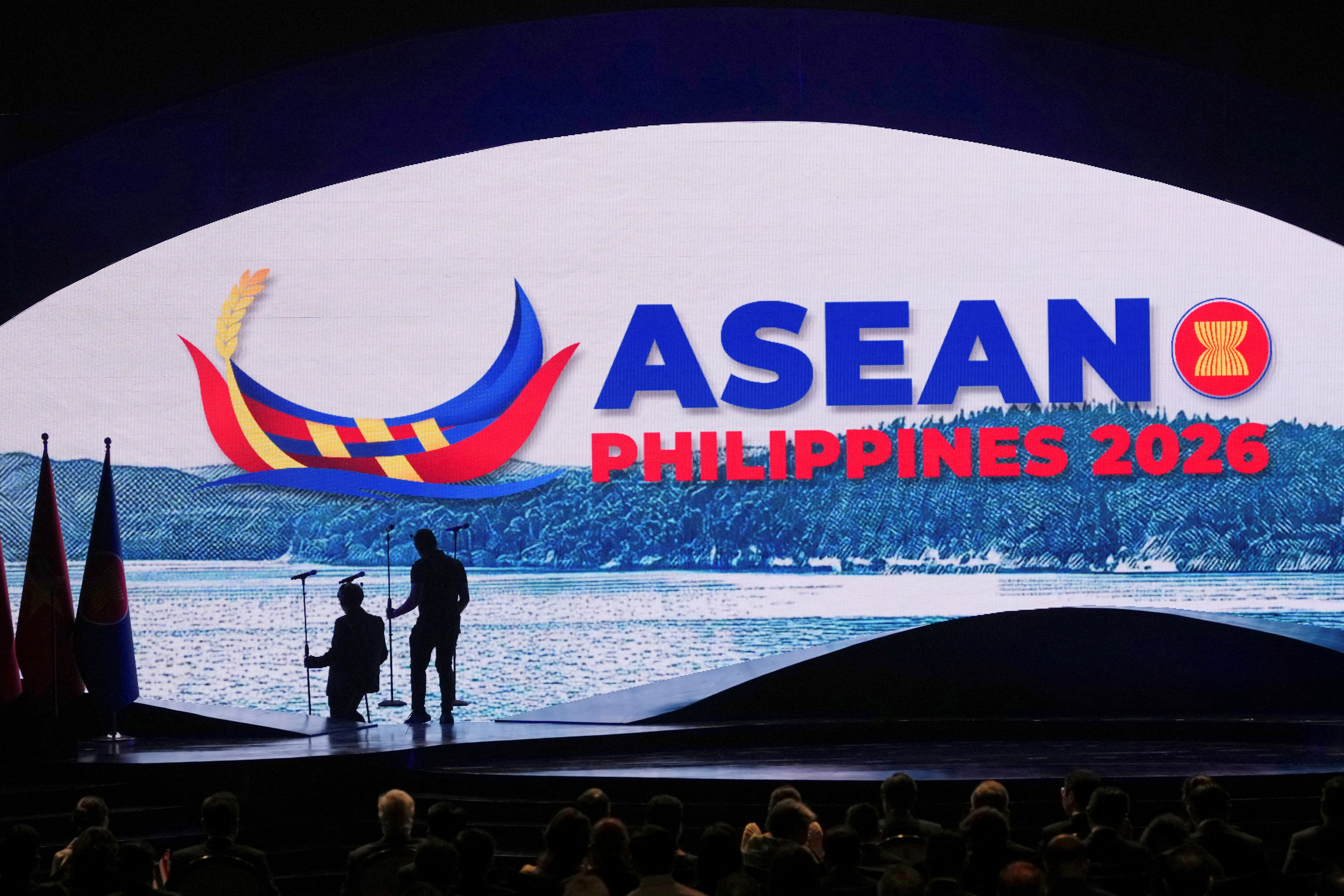
What Putin is unlikely to have in Kazan is the Myanmar seat at the table. ASEAN has barred Myanmar’s military leadership from top-level meetings since the 2021 coup that removed Aung San Suu Kyi’s government. Lower-level career diplomats from Naypyidaw have been permitted to attend working sessions, but Myanmar’s leader will not be among those requesting a one-on-one. This matters for the bilateral count: Myanmar currently holds the rotating ASEAN coordination role with Russia, meaning the country formally responsible for managing the bloc’s Russia relationship cannot put its principal in the room.
Russia and ASEAN have held annual meetings since their dialogue partnership was established in 1996, though the format has varied considerably over the decades. Putin attended the 2021 summit via video link from the Novo-Ogaryovo residence outside Moscow. The Kazan summit marks his first in-person engagement with ASEAN leaders as a group since before the start of Russia’s military operation in Ukraine in February 2022, a detail the Kremlin has been careful to frame as a sign of diplomatic normalization rather than isolation broken.
Lavrov has spent the months before Kazan preparing the ground. He told counterparts in the region that Russia remains a reliable energy supplier to Southeast Asia, a message calibrated for capitals where the price spike following the U.S. and Israeli strikes on Iran in February drove renewed interest in Russian crude. Philippine Foreign Secretary Theresa Lazaro spoke with Lavrov by phone ahead of the summit to discuss what Moscow described as “the prospects of expanding Russia’s strategic partnership” with the bloc, Al Jazeera reported.
The Kremlin’s decision to characterize the bilateral schedule as a marathon before announcing the participants is a calibrated piece of messaging. The word signals density and seriousness without requiring Moscow to name every leader who agreed to meet — or acknowledge those who have not yet said yes. Full details, Peskov said, would follow in the coming days.
Whether the leaders who sit across the table from Putin in Kazan are willing to translate those bilateral conversations into anything publicly visible — a joint communiqué, named cooperation frameworks, photographs circulated through state media — is a question none of the attending governments have answered clearly. For most of them, the value of the meeting lies precisely in its ambiguity: engagement without endorsement, commerce without alignment. Moscow, for its part, has shown no sign of insisting on anything more explicit.