
PARIS — Canada will send another 100 million dollars to Palestinians in Gaza and the occupied West Bank, money for food, medicine and shelter in two territories where, by the United Nations’ own measure, people are starving under bombardment and being pushed off their land at gunpoint. It is a humane gesture. It is also a measure of how far the West will go to ease Palestinian suffering, and how carefully it stops short of confronting the government causing it.
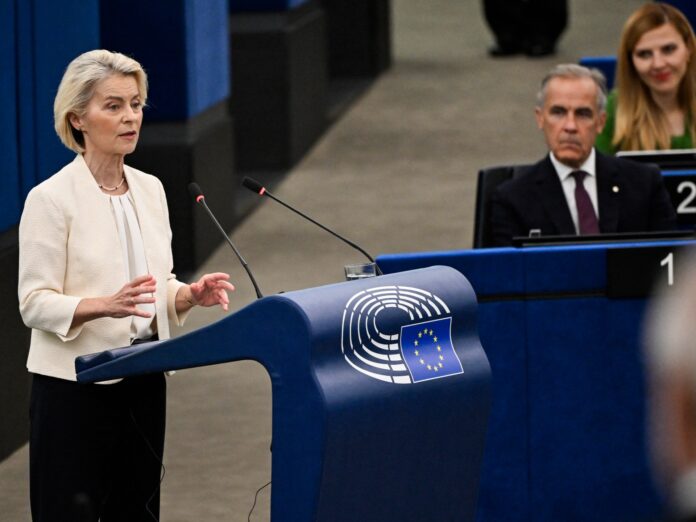
Foreign Minister Anita Anand announced the funding on Friday in Paris, where Western governments had gathered once more to discuss a two-state solution that drifts further out of reach with every settlement Israel builds. The money will flow through United Nations agencies, the Red Cross and Red Crescent, and other aid groups, Canada’s foreign ministry said, and will go toward basic needs in Gaza and what Ottawa called rising violence by extremist Israeli settlers in the West Bank. It brings Canada’s total support for Palestinians to roughly 500 million dollars since late 2023.
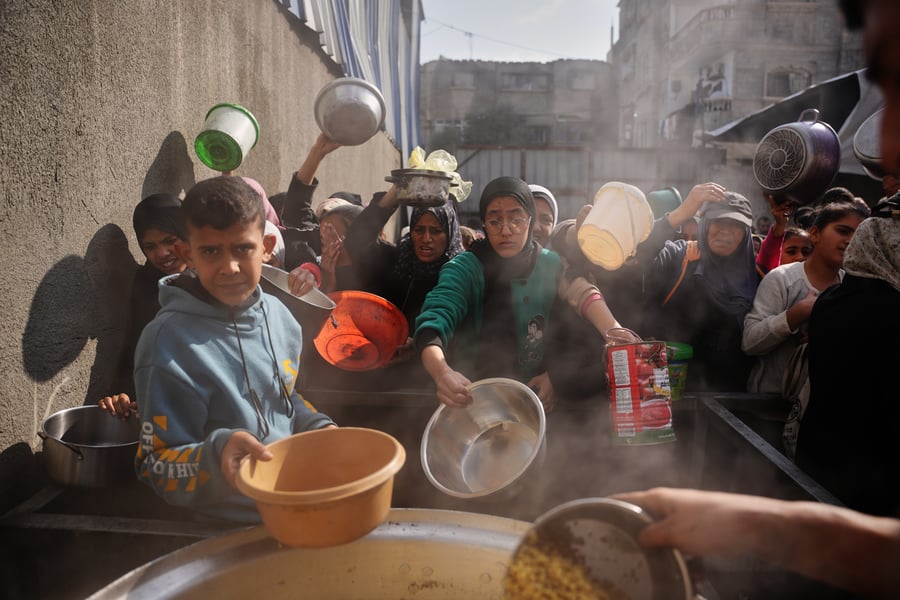
Stated plainly, the need is vast and the sum is small. Famine has already been confirmed in parts of Gaza by the global hunger monitor that governments themselves rely on, and the catastrophe is not the product of drought or bad harvests. It is the result of a war that United Nations experts and human rights organisations have described as a genocide, and of a blockade that has turned food into a weapon.
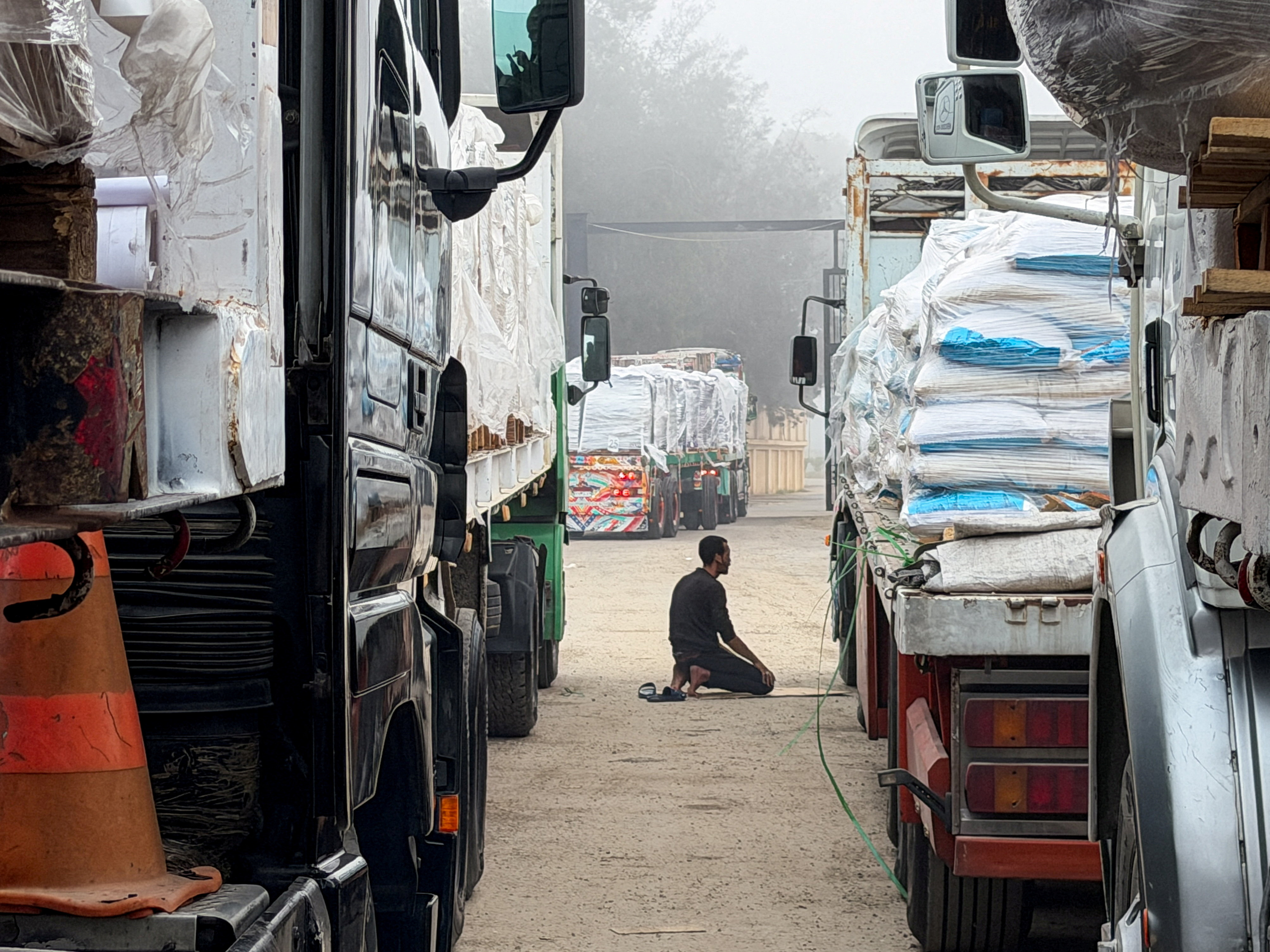
At the height of the fighting an average of around 19 aid trucks a day were let into Gaza, against a pre-war norm of roughly 500, a reduction of more than 90 percent that aid officials said left people dying within a few hundred metres of food stacked at sealed crossings. Israel closed all of Gaza’s crossings again in late February as it opened a parallel military campaign against Iran, choking off the supplies that Canada’s money is now meant to help restore.
In the West Bank the violence wears a different face. Record settlement expansion has been accompanied by armed settlers, often shielded by Israeli soldiers, driving Palestinian families off farmland their relatives have worked for generations. The Israeli government is not merely tolerating the growth but financing it, moving to bankroll dozens of new settlements before its own electorate can weigh in.
Canada’s cheque does not arrive in isolation. Three days before the Paris announcement, Ottawa joined five other Western governments in coordinated sanctions against the financiers of settler violence, and France has gone further still, barring the Israeli finance minister Bezalel Smotrich from its territory. After years of treating Israeli conduct as beyond reproach, a bloc of Western capitals has begun, haltingly, to act.
Yet the measures remain carefully calibrated to wound no one in power. The sanctions name settlers and the networks that fund them, not the ministers who authorise the expansion. Israel’s foreign ministry dismissed the moves as political opposition to Jewish settlement dressed up as concern about violence, according to Al Jazeera, while rights groups including Amnesty International called the steps far too small and demanded sanctions on the government itself and a full ban on trade with the settlements.
That is the contradiction folded into Anand’s announcement, and into Western policy on Palestine more broadly. The same governments that maintain trade and, in several cases, arms relationships with Israel are now writing cheques to mitigate the suffering those relationships help sustain. The money treats the symptom. It does not touch the cause. As CBC reported, the new funding lifts Canada’s contribution to half a billion dollars in under three years, a figure that measures the scale of the catastrophe as much as the generosity of the response.
The setting underlined the point. Western leaders met in Paris to keep alive the idea of two states even as the territory meant to form one is carved up in real time, its population in Gaza displaced and starved and its population in the West Bank fenced, raided and dispossessed. Communiques call for restraint. Aid budgets rise. The settlements rise faster.
None of which makes the 100 million dollars meaningless. For a family in Gaza City queueing for flour, or a clinic in the West Bank treating the wounded, Canadian money routed through the UN and the Red Cross is the difference between care and none. The aid is real and it will keep people alive. The open question, the one no communique in Paris answered, is whether the West will ever be willing to match the cheque with the kind of pressure that might stop the harm it is paying to soften.