
BOSTON — The signs that explained why the glaciers in Acadia are melting, the wall panels at Independence Hall that named the enslaved people who lived under George Washington’s roof, the climate exhibit at Fort Sumter that connected Civil War history to a rising Charleston Harbor: all of these came down across the spring under a Trump executive order that called such content disparaging. On Friday a federal judge in Massachusetts ordered them put back.
The ruling came from US District Judge Angel Kelley in the District of Massachusetts, in a case The Hill reported was brought by the National Parks Conservation Association, the Union of Concerned Scientists and four other groups against Interior Secretary Doug Burgum and the National Park Service. Kelley found that the administration’s policy sets a dangerous precedent of censorship and sanitization, undermining the integrity of a park system that holds the country’s history because the country, in her phrasing, asked it to.
The order is, on paper, an injunction. The administration is ordered to restore the removed content and to stop further removals while the case proceeds. The substance of the ruling is harder to compress. Defendants deemed it important, Kelley wrote, to strip the parks of these undeniable truths in anticipation of the 250th Anniversary of our great Nation, which makes it equally important that our shared history be honestly told and fully restored by the 250th Anniversary to properly honor the remarkable achievements of the United States. The phrase “undeniable truths” was the load-bearing word.
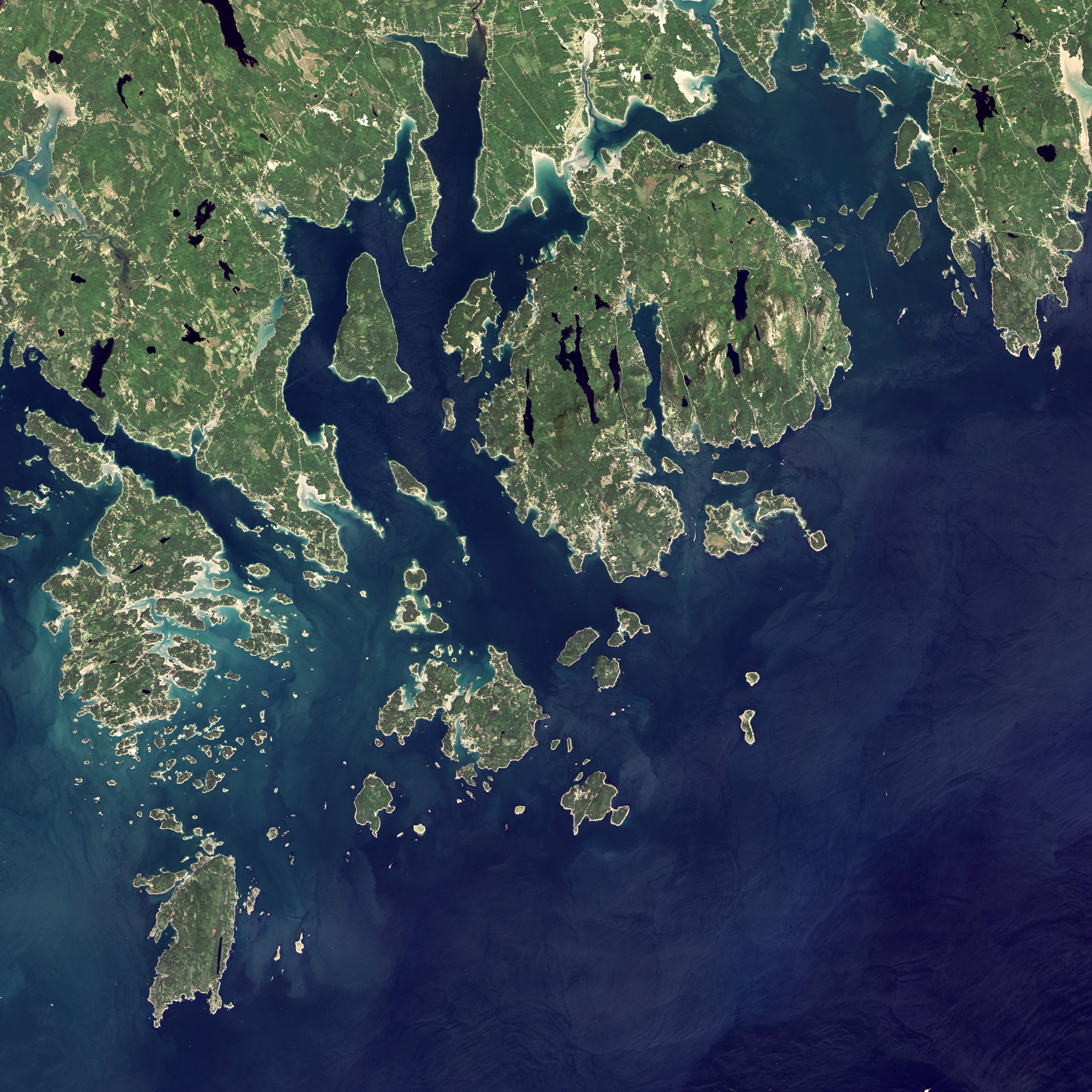
The removals themselves had been quiet and almost entirely administrative. After Trump signed an executive order in March 2025 titled Restoring Truth and Sanity to American History, Burgum issued Secretarial Order 3431 directing the Park Service to comply, and the agency began stripping content from sites where the conditions of the country’s founding, its industrial labor, its environmental science or its racial history were displayed in language the order called inappropriate. The two films at Lowell National Historical Park in Massachusetts that documented working conditions and industrial pollution disappeared. The signs at Acadia explaining climate change impacts and the Wabanaki significance of Cadillac Mountain came down. The slavery exhibit at Independence National Historical Park in Philadelphia went into a closet.
The lawsuit had been filed in March 2026 by Democracy Forward on behalf of a coalition that included the National Parks Conservation Association, the Association of National Park Rangers, the Coalition to Protect America’s National Parks, the American Association for State and Local History, the Union of Concerned Scientists and the Society for Experiential Graphic Design. Alan Spears, NPCA’s senior director for cultural resources, framed the stake plainly: rangers had spent entire careers studying little-known chapters of American history and groundbreaking new scientific discoveries to create exhibits, brochures and videos that brought those stories to life for millions of park visitors every year, and the administration had erased that work by directive.

Massachusetts senator Edward Markey, whose state hosts eighteen Park Service sites and several of the most contested removals, called censoring history an act of violence, the Boston Globe reported when the suit was filed. The phrase landed because the bureaucratic machinery the administration used was so undramatic. The order did not burn anything. It produced compliance flowcharts. The signs the country had paid for did not vanish in a fire; they vanished in a memo.
What gave the ruling its force is that the climate signage and the slavery exhibits were not flagged together by accident. The executive order itself bracketed them, treating climate science and the documentation of racial injustice as a single category of content the administration considered disparaging. Kelley’s order treats them together too, by holding the policy that conflated them to a single legal standard. The federal government does not have unilateral authority, she found, to decide which truths the parks are allowed to tell.
This ruling is the second in four months to push back on the same campaign. In February, US District Judge Cynthia Rufe in Philadelphia ordered the Park Service to restore the slavery exhibit at the President’s House Site, comparing the administration’s claim of authority to dissemble and disassemble historical truths to the Ministry of Truth in Orwell’s 1984. Kelley’s order Friday extends that logic from a single Philadelphia site to the entire system, and explicitly brings the climate-change signage under the same protection.
It also lands in the same week federal courts are pushing back on a wider climate retreat. A separate federal judge in South Carolina ruled the same Thursday that the EPA had unlawfully terminated $2.8 billion in environmental justice grants; an earlier ruling at the Energy Department vacated $82 million in clean-energy cancellations. Each of these decisions strikes down a different mechanism the administration has used to dismantle climate infrastructure by memo rather than by statute. None of them yet restore the underlying programs to operating order.
What the parks ruling cannot solve is the institutional knowledge that comes off a wall and goes into a box. The Massachusetts and Maine sites that lost films and signage have spent the spring informing visitors that the displays are no longer available. The Park Service rangers who explained those displays have been redirected to other duties or, in some cases, left the agency. A judge can order the panels reinstalled. She cannot order the curator who designed them to come back.
The administration has not said what it will do next. The Justice Department is widely expected to appeal Kelley’s order, and the First Circuit, which would hear the appeal, has not historically been a friendly forum for administrative-state arguments of this kind. A request for comment from the Department of the Interior was, as is increasingly typical with this administration’s lawyered-up posture, not answered before deadline. Burgum’s office referred reporters to ongoing litigation.
The 250th anniversary is what makes the ruling cut a particular way. America turns 250 next July, and the Park Service is the agency that owns most of the ceremonies the country plans to use to mark the occasion. The order asked the parks to clean up their walls in time for the party; the judge has now ordered them to put the difficult history back. The country that arrives at its semiquincentennial, on her order, will be the one whose museums tell it what it has actually been. Whether the climate science the signs explained survives the next round of appeals is the question the courts will keep being asked.
Related Posts