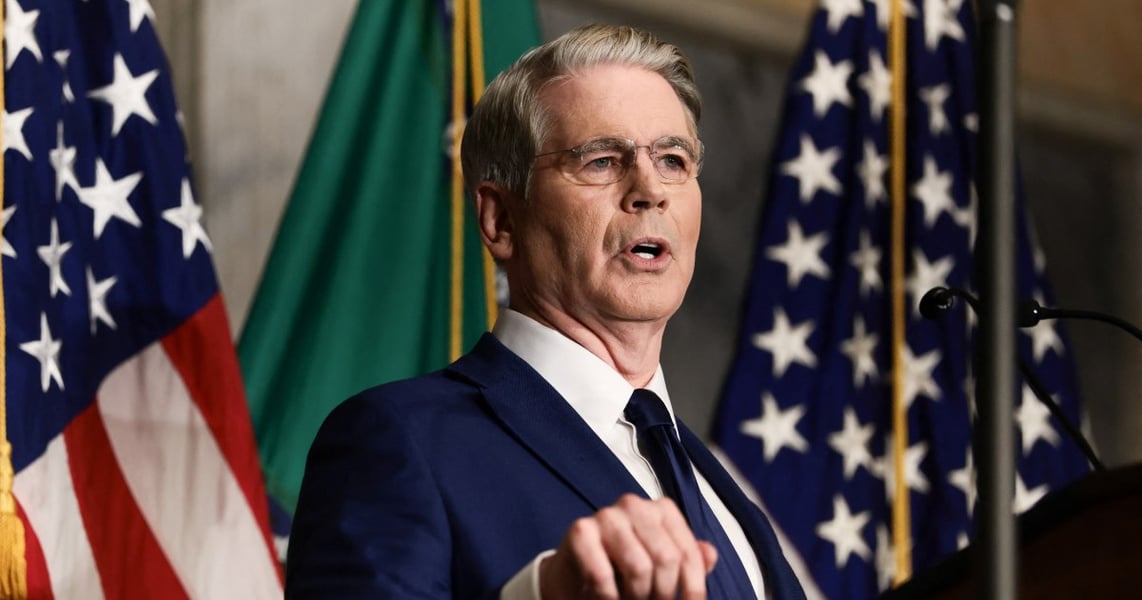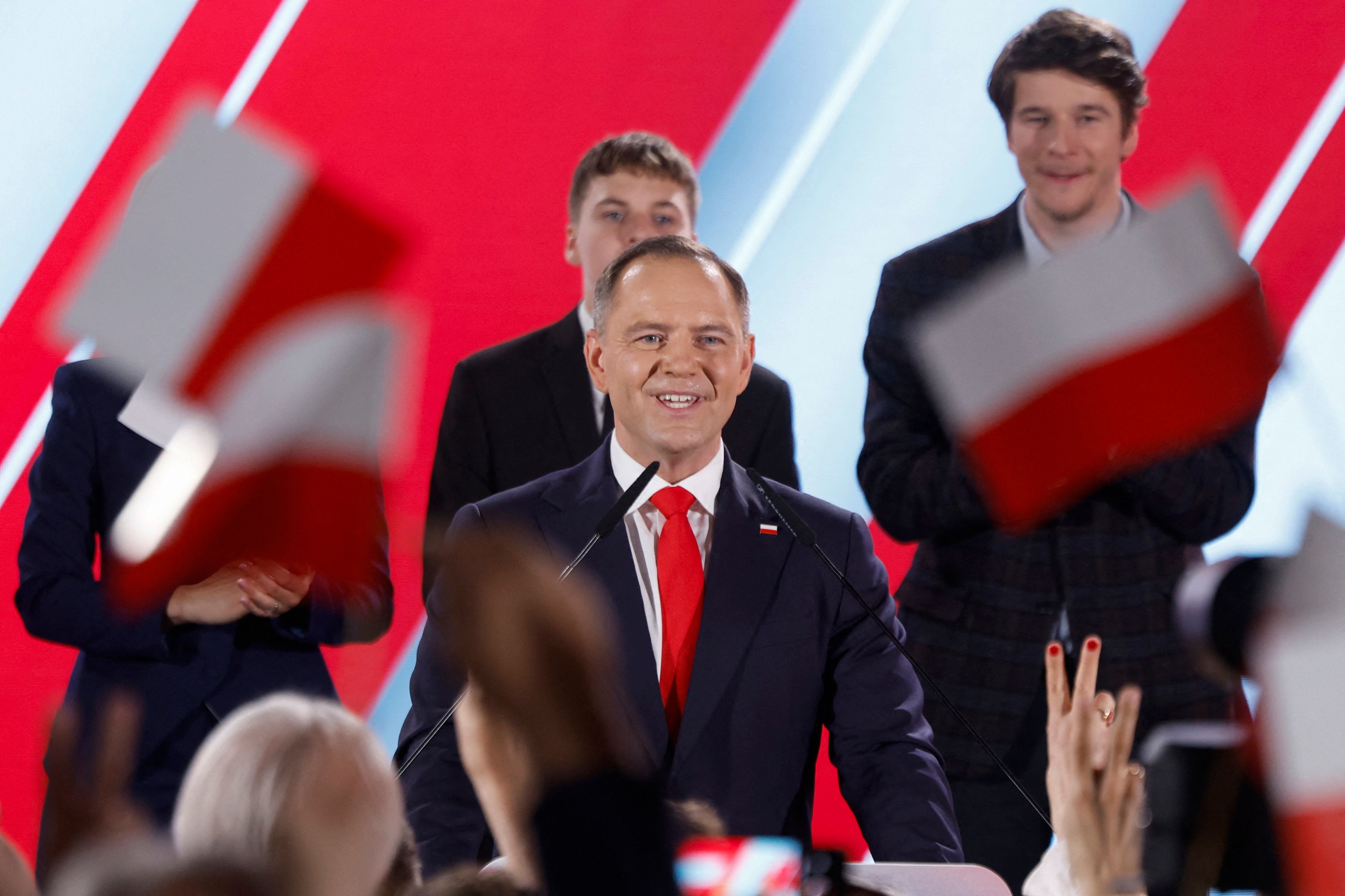

WARSAW — President Karol Nawrocki has vetoed more bills than any Polish head of state in the country’s post-communist history, blocking his 37th piece of legislation barely ten months into a term he has turned into a standing obstacle to Prime Minister Donald Tusk’s government.
The milestone, reached on Friday, surpasses the previous record of 35 vetoes set by Aleksander Kwasniewski across a full decade in office. Nawrocki has matched and beaten it in under a year, striking down a bill on average every eight days since he was sworn in last August.
His three latest rejections were characteristically broad: a framework for regulating crypto-assets, knocked back for the third time; a health bill that would have eased language requirements for non-EU doctors amid staff shortages; and a measure on tax limitation periods. None were the stuff of high ideology, which is precisely the point.
Nawrocki, a nationalist backed by the opposition Law and Justice party, has made the presidency, a largely ceremonial office in Poland, into a blunt instrument against a government he was elected to check. Where his predecessors used the veto sparingly, he has wielded it as routine.
The tally tells the story. Lech Walesa issued 27 vetoes in five years, Kwasniewski 35 in ten, Andrzej Duda 19 across his own decade. Nawrocki’s 37 in ten months is not a difference of degree but of intent.
The bills he has killed range across the government’s whole programme: an overhaul of the judiciary, the law unlocking some 44 billion euros in European Union defence financing, the domestic implementation of the bloc’s Digital Services Act, tax rises on alcohol and sugary drinks, recognition for regional languages, and the creation of Poland’s first national park in nearly a quarter of a century.

Tusk’s coalition, which swept the nationalists from government in 2023, has no way around him. Overriding a presidential veto in Poland requires a three-fifths majority in the lower house, a threshold the governing camp cannot reach, leaving each of Nawrocki’s rejections effectively final.
The result is a government that won an election but cannot legislate. Eighteen months of Tusk’s agenda, from the rule-of-law repairs meant to undo Law and Justice’s capture of the courts to the EU-aligned reforms Brussels has demanded, sits stalled on the president’s desk.
For Nawrocki, the paralysis is not a malfunction but a strategy. By denying Tusk legislative victories, the opposition keeps the government looking impotent ahead of the next parliamentary election, betting that voters will blame the cabinet rather than the man blocking it.
The standoff also carries a cost beyond Warsaw. The vetoed defence-financing law would have drawn down tens of billions of euros for a frontline NATO state that has made itself central to Europe’s rearmament, and its blockage has irritated allies counting on Polish spending. It is not the first time his veto has rattled them; last year he struck down emergency aid for Ukrainian refugees and Starlink funding.
None of it is likely to ease soon. Nawrocki’s term runs until 2030, Tusk’s coalition holds the government but not the votes to break the deadlock, and the two men, representing the two halves into which Polish politics has hardened, are locked in a contest the constitution gives neither the power to win.