
WASHINGTON — The Trump administration has found a new target for its deportation machinery: children. In a widening investigation laid out this week, federal officials are directing Immigration and Customs Enforcement to track down hundreds of thousands of unaccompanied minors who crossed the southern border without a parent, while prosecuting the very adults who later took them in. The government calls this protecting children from traffickers. What it looks like, in practice, is the state hunting the most vulnerable people in the immigration system and punishing the families who tried to shelter them.
The Washington Post reported that the administration is broadening its probe into the record number of children who arrived alone during the Biden years, sending investigators into the nonprofits that resettled them, pursuing alleged smugglers, and even seeking help from the U.S. military. The scope is staggering. More than 600,000 children have crossed the border without a parent or legal guardian since 2019, and the government says it has already located roughly 146,000 of them. Those are not abstractions. They are teenagers in classrooms and toddlers in living rooms, now logged as enforcement targets.
At the center of the new push is a category the government calls “super-sponsors.” As the Associated Press reported via ABC News, officials have flagged more than 15,000 cases of adults who took custody of three or more unrelated children, and are investigating whether fraud was involved. Acting Attorney General Todd Blanche framed the scrutiny as child protection, declaring that the government “will not accept half measures when it comes to securing the border.” But taking in multiple unrelated children is not a crime, and the overwhelming majority of these sponsors are relatives, neighbors and community members who stepped forward when no one else would.
The trafficking framing is the tell. By casting every prolific sponsor as a suspect, the administration converts an act of care into probable cause. Officers have detained sponsors when they arrive at reunification meetings to claim a child, which means the simple act of coming forward to take a kid out of federal custody now carries the risk of arrest. A system supposedly built to keep children safe has been redesigned so that the adults most willing to protect them have the most to fear.
The numbers expose what the rhetoric conceals. The average time a child now spends in federal custody has ballooned to 206 days as of May 2026, up from just 37 days when Trump took office. That is not the profile of an administration racing to get children into safe homes. It is the profile of one that has made release so difficult, through tightened vetting, fingerprinting backlogs and mountains of paperwork, that kids languish in government facilities for the better part of a year. In one case documented by critics, a U.S. citizen father waited five months for fingerprinting while his daughter remained in custody, where she was allegedly abused during the delay the government itself created.
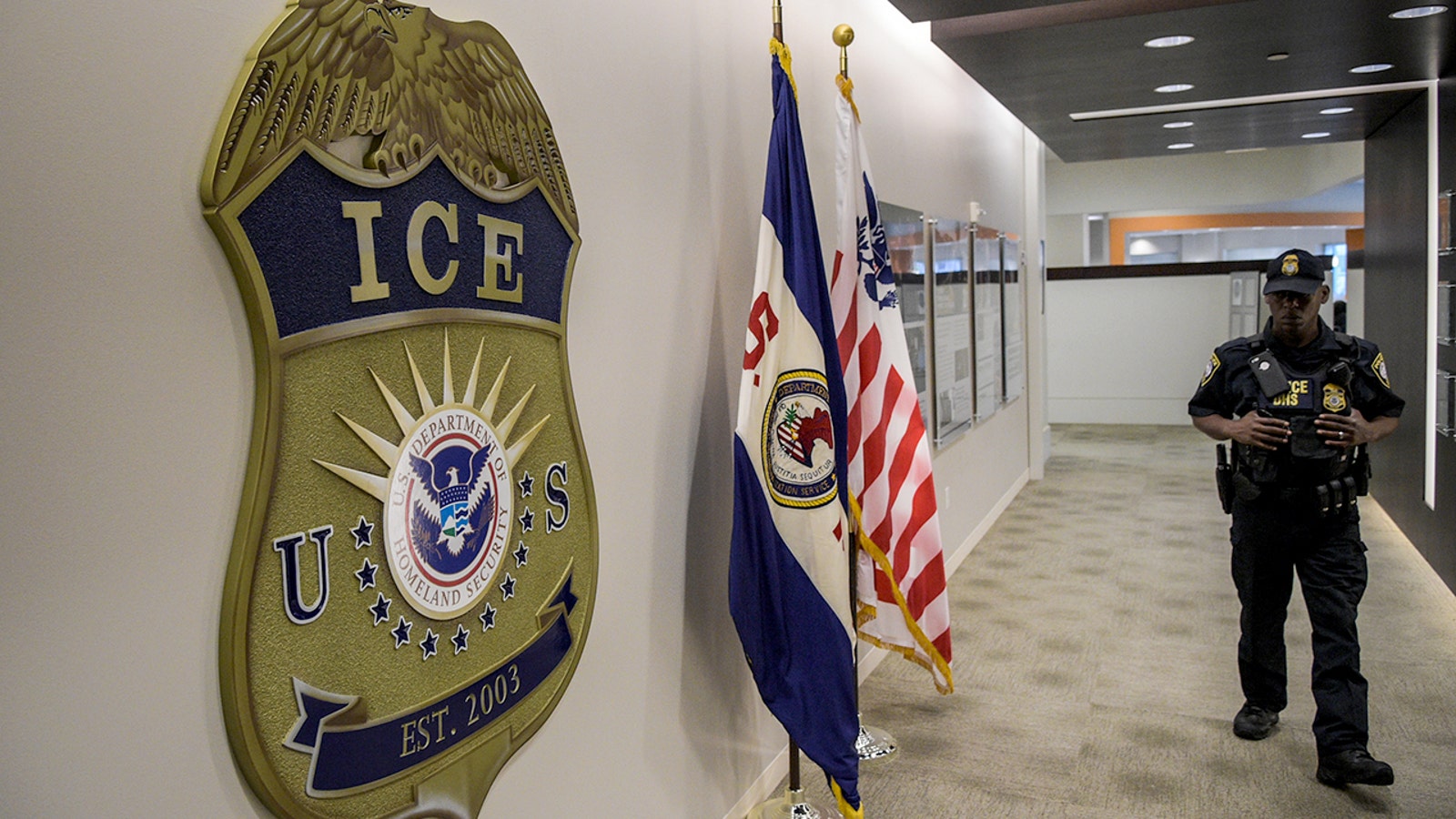
Behind the prosecutions is an operational machine being pointed squarely at minors. NBC News reported that ICE is standing up a dedicated call center to locate unaccompanied children, part of an internal memo that lays out phased plans to find and, where possible, deport them. Children with existing removal orders or a notice to appear can be deported, and those labeled “flight risks,” including kids who missed a hearing they may never have understood they had, are prioritized. An immigration court date is not a sophisticated thing for a frightened ten-year-old to keep track of, yet missing one is now treated as grounds to move them to the front of the deportation line.
This is of a piece with everything else this administration has built. The Eastern Herald has reported on the same logic as it scaled up the machinery, from a plan to convert warehouses into detention centers for 80,000 people to the federal courts repeatedly stepping in, as when a judge blocked the attempted deportation of hundreds of unaccompanied Guatemalan minors who were already on planes. The pattern is consistent: an agency reaching for the most expansive enforcement tool available, and a judiciary that has become the last functioning check on it.
It also fits a broader habit of turning federal power against soft targets. The same week ICE was being marshaled against children, the FBI was raiding a voter-registration group in Ohio on the strength of a years-old pretext. In both cases the chosen target is someone poorly positioned to fight back, and in both the stated justification, child protection here, fraud there, is broad enough to cover almost anything.
There is a genuine problem buried in all of this. Children should not be handed to strangers for money, and real traffickers should be prosecuted. But a government serious about protecting children would speed reunification with vetted family, not stretch custody to seven months. It would make coming forward to claim a child safe, not turn reunification meetings into arrest opportunities. The choices this administration has made point the other way at every turn, which is why the kindest available description, that this is merely overzealous child protection, is so hard to sustain. The cruelty is not a side effect of the policy. It is the policy.